
Opening—straight comparison from a practical mentor
You want predictable results, not buzzwords. When I talk with engineers and plant managers, the conversation often centers on whether to invest in a modern high-shear solution or stick with tried-and-true paddles and batch stirrers. A high shear mixer changes how quickly powders disperse, how creamy emulsions become, and how repeatable a recipe stays from run to run; that’s a practical effect you can measure on a lab scale before committing. Let’s compare what each choice delivers — directly and usefully.
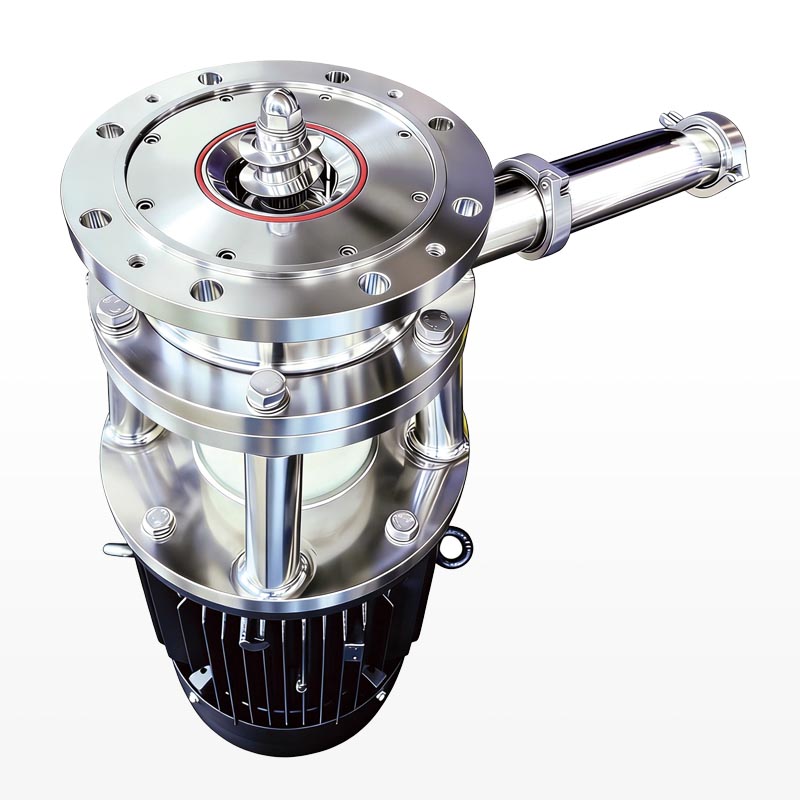
Core mechanical differences
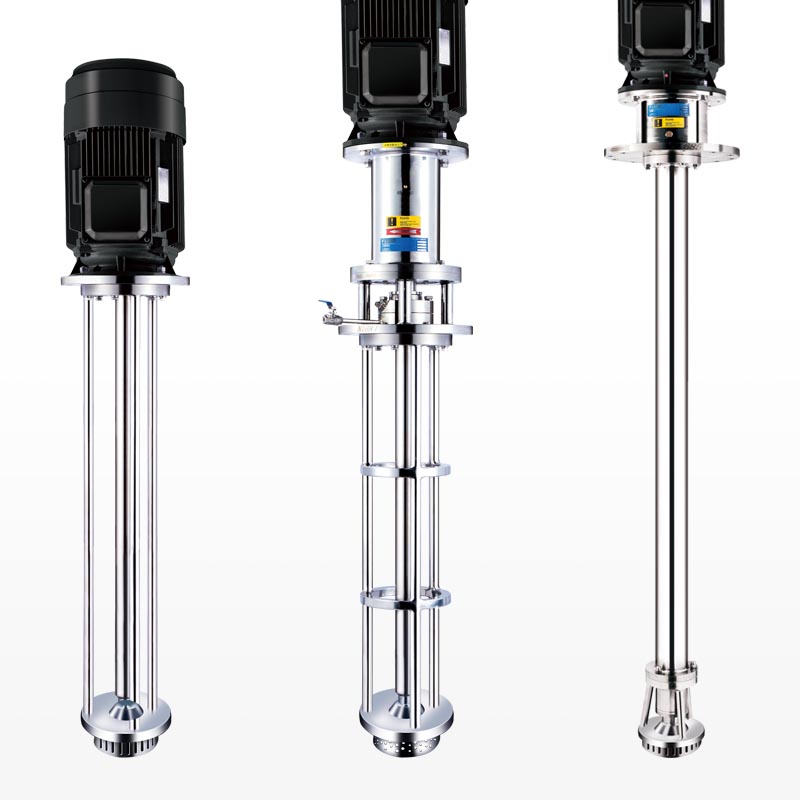
Industrial mixing machines use concentrated shear, precise speed control, and tailored rotor-stator geometries. Traditional alternatives rely on bulk circulation and longer dwell times. That means modern machines reduce processing time and often lower temperature build-up during blending. Traditional mixers may be gentler and simpler, but they need more monitoring and operator skill to keep variability down.
Performance trade-offs you’ll feel on the floor
Expect three tangible trade-offs. First, consistency: industrial machines give tighter particle size and viscosity distributions. Second, throughput: they typically cut cycle times by a measurable percentage. Third, maintenance and spare parts: advanced units require planned servicing and calibrated spare parts lists; simple mixers tolerate rougher handling but demand more operator intervention to hit specs. Choose based on whether you value repeatability over simplicity.
Cost, energy, and lifecycle thinking
Upfront cost favors traditional alternatives. Lifecycle cost often favors industrial machines because they shrink rework, scrap, and outbound quality checks. Energy use can be lower for short, high-power runs versus long, low-power mixing — read the meter on a pilot run. Don’t confuse low capital expense with low total cost; quantify runs per year and defect rates before deciding.
Experience, authority, and a real-world anchor
I’ve seen these dynamics confirmed at major industry gatherings like ACHEMA in Frankfurt, where suppliers and end-users display measured performance data and case studies. That kind of venue shows how manufacturers validate claims against independent tests. For a reliable supplier comparison and verified technical details, consider contacting a reputable high shear mixer manufacturer who publishes test curves and service policies — those documents tell you more than glossy brochures.
Common mistakes and how to avoid them
Don’t skip pilot trials. Don’t assume one size fits all. Avoid selecting equipment solely on peak horsepower or brand reputation. Instead: define the critical quality attributes (particle size, viscosity, stability), run a representative pilot, and log energy and temperature profiles. Train operators on scale-up differences; what works in a 10‑liter pot often changes at 500 liters.
Decision checklist
Pick industrial mixing when you need repeatability, faster cycles, and tighter product specs. Choose traditional when budgets restrict capital spend, when formulations tolerate variability, or when the process benefits from low-shear action. If you’re unsure, compare measured pilot data: dispersion time, final particle distribution, and energy per kilogram mixed.
Closing synthesis
You’re weighing control against simplicity. Test, measure, and match the machine’s strengths to your product’s failure modes. When your test data favors higher shear, the practical solution is clear and supported by suppliers who publish verifiable performance metrics, like those available from FLUKO.