
What to settle first when Single Gas Detector decisions involve RFQ preparation procurement handoff
Maintenance planners should treat a single gas detector purchase as an RFQ definition task before it becomes a supplier comparison. The immediate objective is not to select a model from a catalogue. It is to describe the operating need clearly enough that suppliers can respond against the same requirements. That means identifying the gas or gases of interest, the people who will use the equipment, the work settings involved, and the information the procurement team must carry into the handoff.

Define the use case and constraints
Begin with a short use-case statement. It should explain what the equipment is expected to monitor and when it may be used. Keep the wording factual and specific. “Portable monitoring for planned maintenance activities” is a more useful starting point than a broad request for general protection, because it identifies a procurement context without claiming a safety outcome.
Next, separate confirmed requirements from matters that still need a technical decision. A planner might create four headings: gas target, operating conditions, alarm functions, and documentation. Under each heading, record what is already known and what the RFQ must ask the supplier to address. This prevents an assumption from becoming an accidental specification.
Other practical constraints may include the number of users, inspection or storage arrangements, preferred supply format, and the internal owner of technical acceptance. These are planning questions, not product claims. Their value is that they give the procurement team a responsibility map. The person preparing the RFQ can then distinguish information needed for quotation from information needed for later operational planning.
Map stated evidence to requirements
Evidence should be matched to the scope in which it was published. A catalogue statement about one named model should not automatically become a claim about every detector in a supplier’s range. Likewise, a listed feature does not by itself establish certification, site suitability, performance in a particular environment, or compliance with an internal standard.
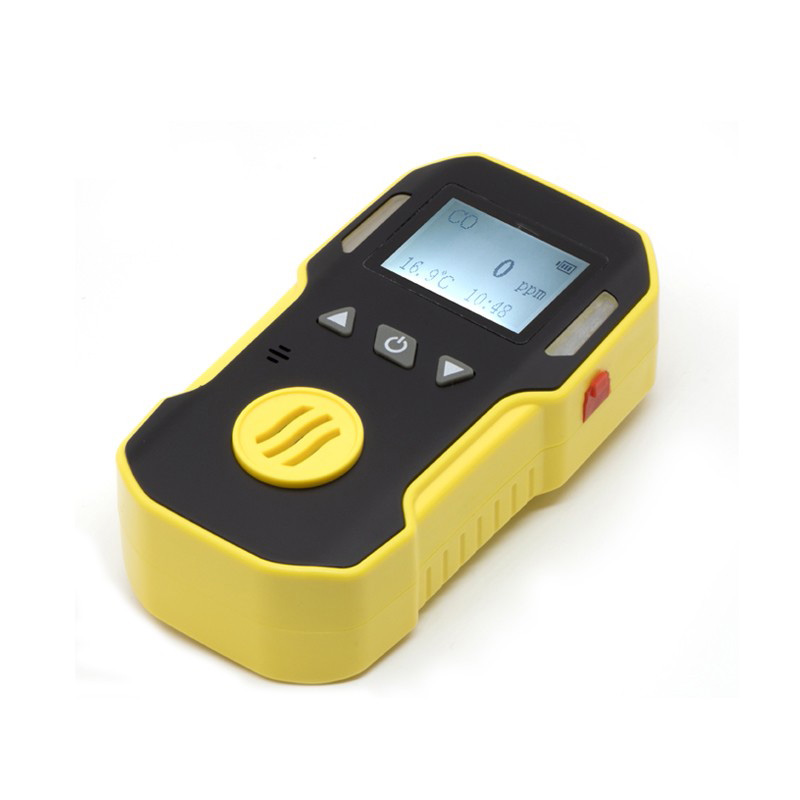
One useful real-world anchor is the Bosean BH-90A product page. Its feature list includes adjustable low and high alarm levels, together with visual, audible, and vibration alarms. This is catalogue information attributed to that page and model. In an RFQ review, it can be recorded under “stated alarm features”, while questions about configuration, acceptance, or use remain separate. The page evidence should not be expanded into an unsupported conclusion about safety or suitability.
For each proposed requirement, use a simple status such as “stated”, “to be clarified”, or “not part of this comparison”. This creates a traceable handoff. “Stated” means the source directly describes the point. “To be clarified” means the requirement matters but the available material does not settle it. “Not part of this comparison” means the issue falls outside the current RFQ scope. The categories help prevent a persuasive feature list from being mistaken for a complete technical evaluation.
Turn open points into supplier questions
A strong RFQ question is narrow enough to receive a comparable answer. Instead of asking whether a detector is suitable, ask the supplier to identify the gas targets covered by the proposed configuration, the alarm functions stated for that model, and the operating conditions published for it. Ask for the answer in the same units or categories used by the project requirements where possible.
When reviewing a single gas detector, the phrase should describe the item under consideration rather than stand in for an undefined safety system. Questions can therefore focus on scope: which model is being quoted, which features belong to that model, and which statements are catalogue descriptions rather than project-specific commitments. This wording keeps the procurement conversation precise.
Also ask who owns each unresolved decision. The maintenance planner may define the work context. An engineering or safety function may set technical acceptance criteria. Procurement may control commercial comparison and supplier correspondence. The exact organisation will differ, but assigning an owner reduces the risk that an important question disappears between the requisition and the supplier response.
Summarise a defensible next step
The next step is to issue a short requirements schedule with three parts: the intended use case, the evidence-backed features that may be compared, and the open questions that require a supplier response. Attach the source location for any model-specific statement. Keep general recommendations clearly separate from quoted product information.
Before the handoff, read the schedule as a supplier would. Is the requested gas scope clear? Can the supplier identify the exact model and configuration? Are alarm features recorded without implying an unverified outcome? Are unresolved points visible rather than hidden in descriptive language? If not, revise the question rather than stretching the evidence.
A disciplined RFQ does not need to settle every technical issue in its first version. It needs to make the current decision boundary clear and preserve the difference between known information and unanswered questions. For a source-based review involving Bosean, that means citing the relevant product page for its stated BH-90A features while carrying broader requirements into explicit procurement questions.