
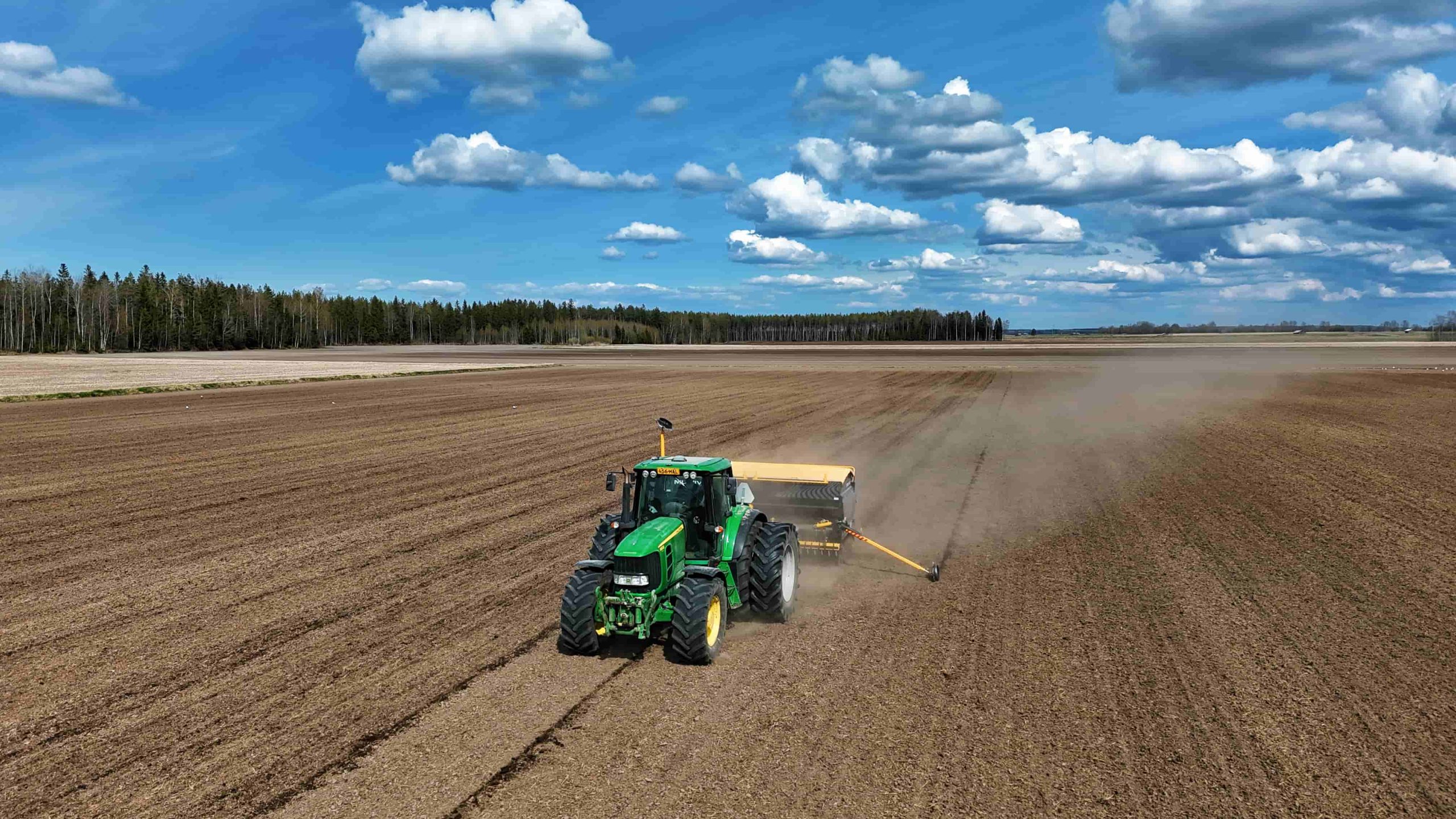
The Adventure of Precision Farming
Picture this: you’re driving across a vast field at dawn, the sunlight glistening off dew-kissed crops. As the thrum of your tractor rolls beneath you, can you really count on technology to keep you straight? Here’s some eye-opening data: studies show farmers can increase productivity by up to 20% with proper guidance systems. So, are tractor autosteer systems the key to unlocking greater efficiency in precision farming? Absolutely, but only if you’re aware of their quirks.
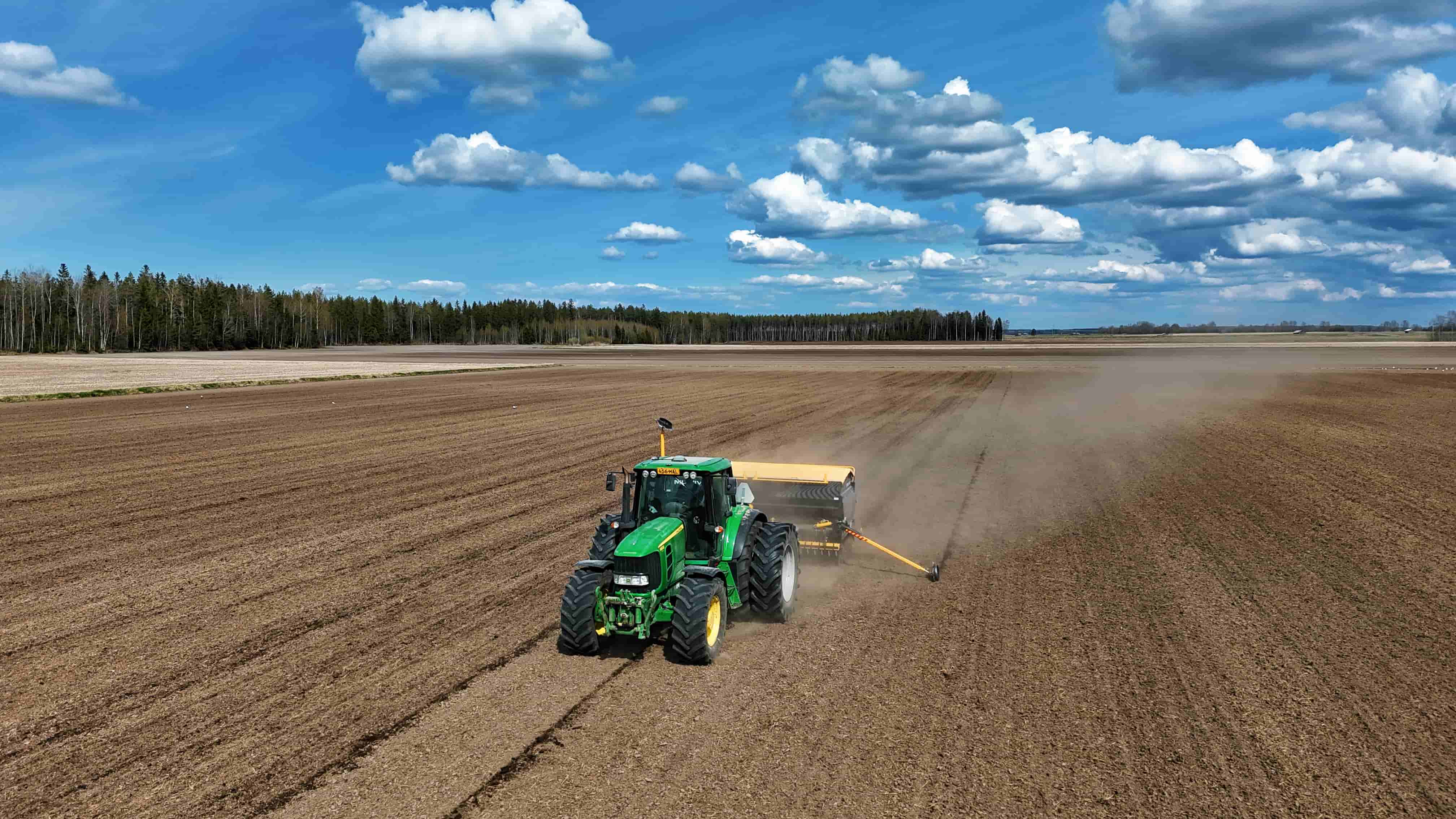
We’ve all heard the tales of farmers missing rows or spending more time correcting their paths than actually planting. That’s where these systems come in, but they’re not without their challenges. Strangely enough, even modern technology can falter when faced with complex terrain or unexpected obstacles, affecting performance and farmer confidence. So, what do you need to watch out for? Let’s dig deeper!
Understanding the Investment
When considering tractor autosteer systems, think of them as an investment in your farm’s future. Sure, you face upfront costs, but think about the long-term benefits. These systems enhance your fieldwork precision drastically, minimizing overlaps and wasted inputs. But, I’ve seen firsthand how farmers often underestimate the training required to use these systems effectively. You may think it’s just “turn it on and go,” but mastering the technology—especially in turbulent conditions—can take some skill. Still, the rewards are worth the effort.
Suppose you’re eyeing a specific system, my advice is to focus on compatibility with existing machinery and your farming style. Ask the right questions. Will it work seamlessly with your current setup? Can it adapt as your needs change over time? That’s often where decisions can go south. Trust me, last summer I watched a neighbor struggle with a fancy system that just wouldn’t sync with his older tractor. He wasted hours trying to fix it—frustrating doesn’t even begin to cover it.
What Challenges Do Farmers Face?
Farmers, let’s be real, navigating the complexities of implementation can be daunting. From rugged landscapes that test your equipment to calibration issues that demand patience, these challenges may seem never-ending. But the good news? Solutions are emerging—improved software updates and user-friendly interfaces are turning the tide. Technology is there to help us—not hinder us—as we strive for greater success in our fields.

What’s Next for Autosteer Technology?
Looking ahead, tractor autosteer systems are set for an exciting evolution. With advancements in artificial intelligence, systems are becoming smarter! This means increased accuracy, better adaptability to terrain changes, and real-time data analytics. Think about ways these innovations will allow farmers to make more informed decisions in the moment, minimizing the guesswork that can lead to costly mistakes. The future is bright—if you’re prepared to embrace it.
As more farmers adopt these systems, the technology will evolve to become even more intuitive. I can see a time when individuals will share insights and updates about their experiences via forums, creating a community of support that bolsters everyone’s skills. This all leads to a more connected farming community where knowledge is shared, and our collective success fuels further advances.
Key Insights to Keep in Mind
So, what are the takeaways? Start by honestly evaluating your current setup and support network. Monitor how you adapt to technology and communicate regularly about challenges and solutions. Three evaluation metrics that can guide your purchase? Look closely at accuracy, user-friendliness, and customer support. Those will be your pillars as you venture into this technology-driven farming world.
Reflecting on the journey ahead, investing in tractor autosteer systems isn’t just a choice; it’s a step toward pioneering the farming practices of the future. The challenges are real, but so are the rewards. Let’s gear up for an exciting ride down the row—together!