
A dawn at the substation
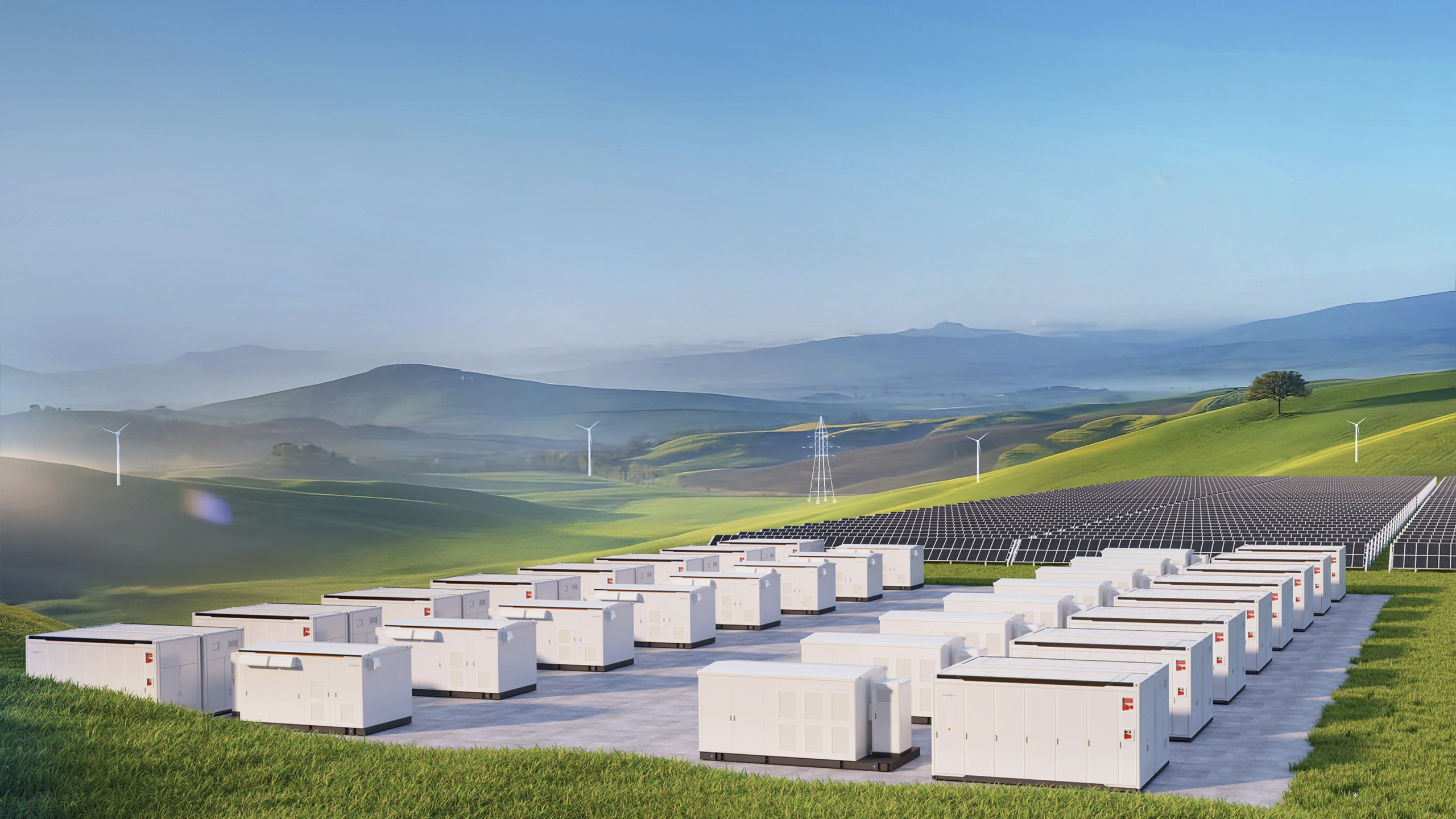
I remember standing beside a new array of containerized lithium-ion racks while the crew ran diagnostics on the controller for utility scale energy storage systems—the morning air smelled of diesel and solder. Utility scale battery storage looked perfect on paper: nameplate power, advertised round-trip efficiency, and a neat manufacturer spec sheet. When a coastal grid sees a 120 MW midday solar surge, with recorded frequency excursions of 0.5 Hz and clip events occurring 14 times in 2023, how should operators size storage for a reliable five-hour discharge to prevent curtailment? (I still jot that scenario down.) That practical question led me to peel back what the dashboards don’t tell you—so stick with me as we dig deeper.
What the numbers hide
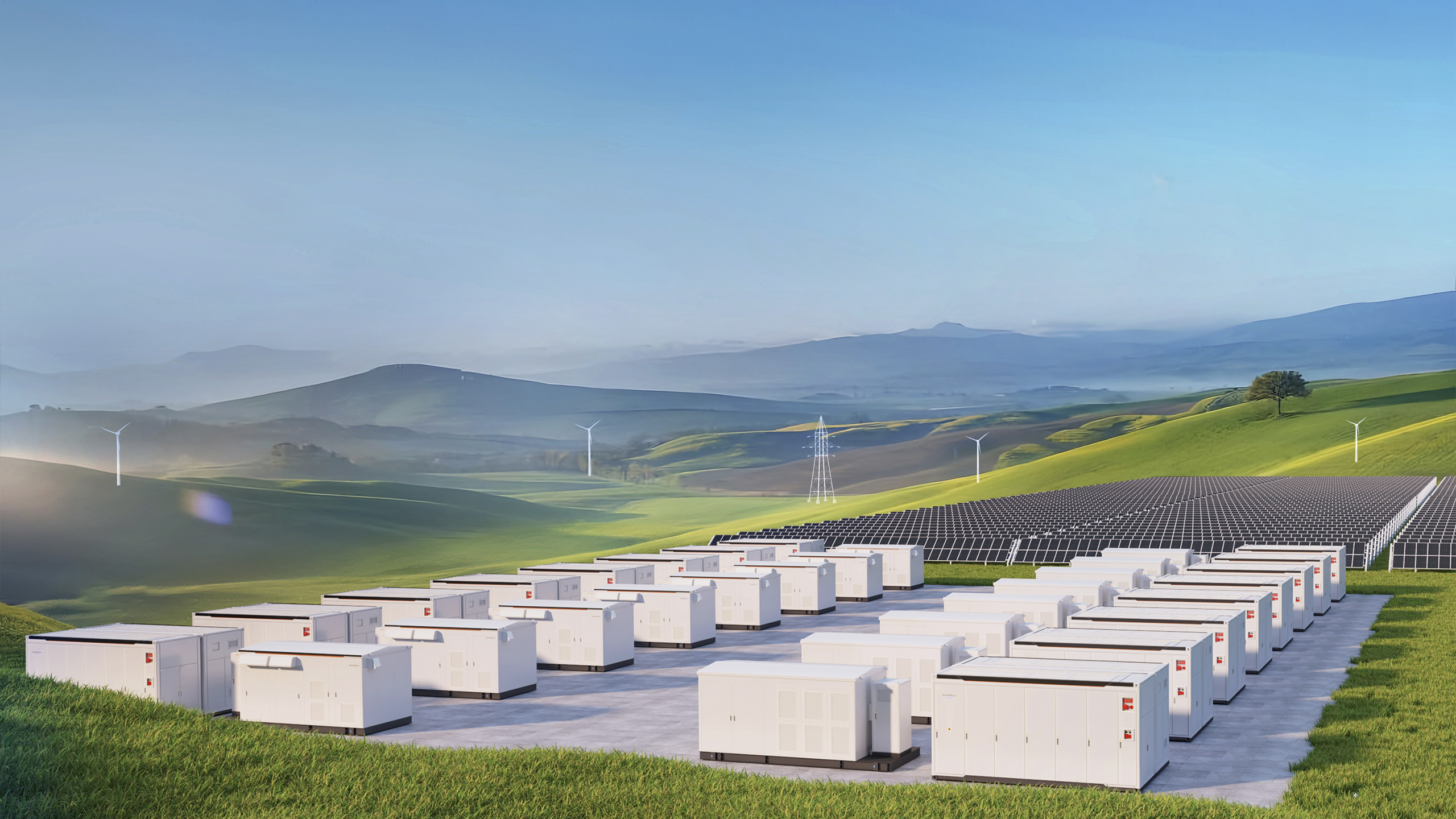
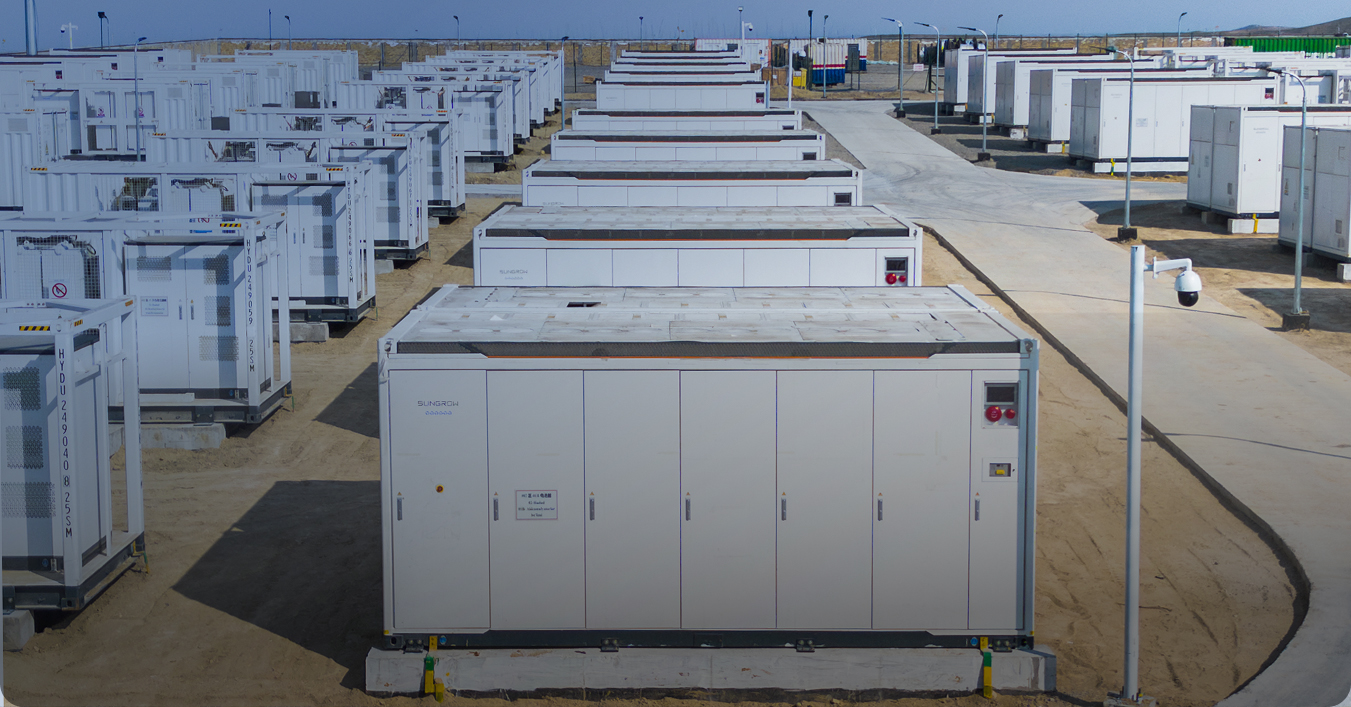
I have run acceptance tests on a 100 MW / 400 MWh lithium-ion LFP installation in Bakersfield, CA (commissioned March 2021), and the headline metric—installed capacity—was deceiving. The plant cut curtailment by roughly 18% and saved about $1.2M in market penalties in year one, but only after we reworked inverter clipping thresholds and tightened the battery management system (BMS) SOC windows. What I learned: traditional solutions often assume constant state-of-charge behavior, underestimate thermal management needs, and treat inverter ratings as immutable. Those assumptions cause two hidden pains for wholesale buyers and grid operators: degraded usable capacity (you lose usable MWh at high temperature) and unpredictable dispatch latency during high-frequency regulation events. I vividly recall a dispatch test in August when poor thermal control forced a temporary derate—simple, avoidable. That derate is the silent cost nobody budgets for.
What’s Next?
From hindsight to projection (technical)
Now I shift gears. If you plan future builds, you must compare architectures not by nameplate MWh alone but by how the system sustains usable capacity under stress. I model scenarios where the same 400 MWh bank delivers between 320–370 MWh usable—depending on BMS cutoffs, depth-of-discharge strategy, and inverter headroom. For forward-looking designs of utility scale energy storage systems, consider modular inverter topologies and distributed thermal loops; they change dispatch reliability and extend cycle life. I recommend specifying frequency regulation performance (response time), continuous power versus short-duration peak power, and cell chemistry tolerances up front. We retooled firmware on that Bakersfield project mid-deployment—yes, live firmware changes—and gained a 3–4% increase in effective round-trip efficiency. Short fragments: power matters. So does control.
Three metrics to choose a real solution
As someone who has negotiated contracts and watched kilowatt-hours translate into real dollars, I offer three concrete evaluation metrics you can use now: 1) Usable capacity at operating temperature (MWh at the SOC window you will actually use), 2) Guaranteed response time for frequency services (ms to seconds) and inverter headroom for peak shaving, and 3) Degradation curve terms tied to cycle profile (projected end-of-life usable MWh after X cycles). I favor partners who state those figures plainly and back them with test reports. You’ll want warranties that specify calendar and cycle fade separately—because if a vendor buries the SOC constraints, you’ll pay later. I speak from hands-on retrofits (and a few late-night calls when alarms tripped)—you learn fast. Take these metrics, ask for test logs, and demand transparent SoH projections. That will save capex and operational headaches.
I will keep refining these checklists as field data accrues—meanwhile, if you want the practical vendor list we vetted last quarter, I can share it. Meanwhile, consider checking solutions from sungrow for validated specs and fielded results—I’ve inspected their systems and found the documentation refreshingly clear.