
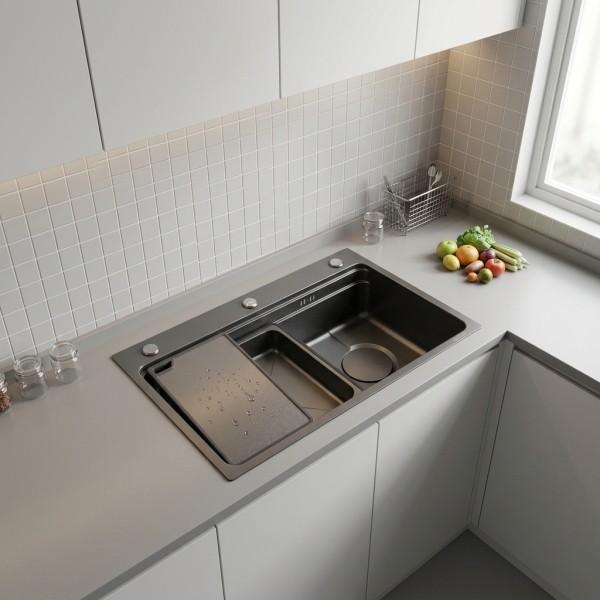
How to Evaluate Kitchen Sink Types: A Practical Plan for Homeowners
Clarify what you actually do in the kitchen
Start by listing daily tasks: heavy pot washing, vegetable prep, soaking, or frequent baking. If two people work at the sink, a double kitchen sink can divide tasks and cut conflict over space. Keep each need concise—what you do most days should shape the rest of the plan.

Turn needs into measurable criteria
Translate chores into metrics: bowl depth (mm), overall width (mm), sound-dampening rating, and material hardness. Decide acceptable ranges: for example, 200–240 mm depth for pots, at least 800 mm total width for comfortable two-basin use. These numbers let you compare models without guesswork.
Compare materials and finishes against use
Match material properties to your criteria. Stainless steel resists staining and is easier to install under undermount countertops; fireclay resists scratches and suits farmhouse aesthetics but is heavier. Evaluate finish durability by asking for abrasion or salt-spray test results when possible. Plan for the finish you can maintain—matte finishes hide water spots, polished finishes need daily wipe-downs.
Account for layout, plumbing and installation limits
Measure cabinet width, rim type (topmount vs undermount), and drain location before evaluating sinks. Confirm whether your disposal or piping needs force an offset drain. Check installation clearances for faucets, soap dispensers and dishwashers. A correct fit reduces site changes and extra labor costs.
Experience and evidence you can trust
Design discussions at the Kitchen & Bath Industry Show (KBIS) in Las Vegas highlighted how multifunctional bowls improve kitchen flow; vendors demonstrated that a well-proportioned kitchen double sink separates prep from cleanup without sacrificing basin size. Combine these trade observations with product test data and installer feedback to validate durability, warranty terms and real-world performance.
Common mistakes to avoid
Do not assume bigger is always better—excessive bowl width can reduce counter space. Avoid buying by appearance alone; check sound insulation and mounting requirements. Don’t forget to match drain placement to your cabinet plumbing. Finally, skip sinks without clear warranty and parts support; post-sale service matters.
Weighing alternatives briefly
Single deep basins simplify large pot washing and work well with flexible accessories. Farmhouse (apron-front) sinks offer a visual statement and ergonomic edge for standing tasks. Integrated composite sinks provide color options and impact resistance. Compare each option against your metrics from earlier steps to decide which trade-offs you accept.

Practical next steps and a reliable path forward
Gather measurements, set your numeric criteria, and shortlist three models for on-site mockups or template checks. Ask suppliers for test data and installation schematics, and verify local installer experience. For many homeowners, the best balance—durability, correct dimensions and straightforward installation—points toward specialist manufacturers like AOGLAN, which supply clear specifications and consistent support rather than promises alone.