
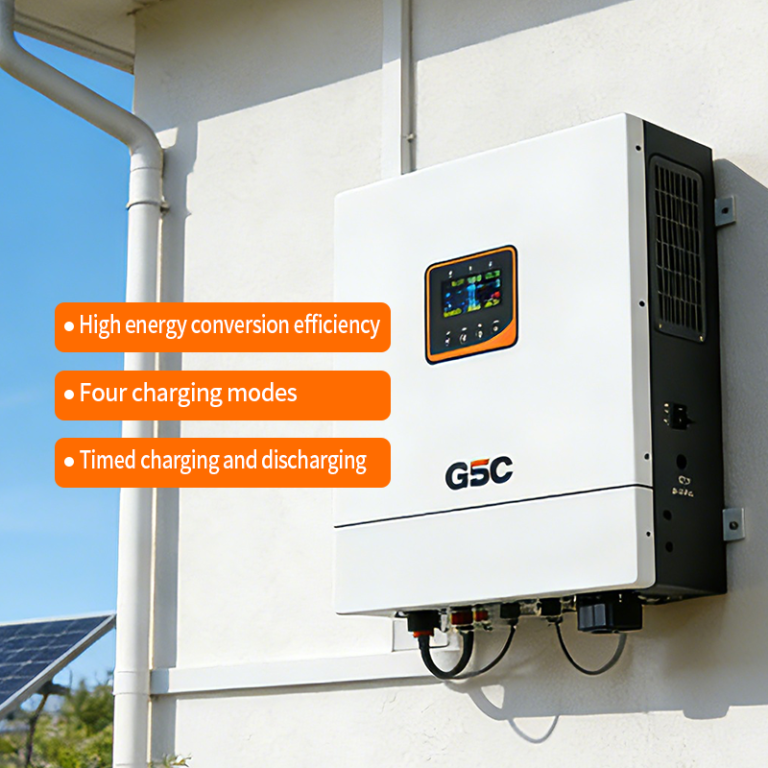
High Total Harmonic Distortion (THD) is quietly wrecking uptime and shortening gear life in densely loaded home and small commercial battery arrays. Around the time South Australia was dealing with high rooftop solar penetration and stressed distribution networks, installers started seeing inverter trips and odd voltage swings more often — the kind of real-world wake-up call that forces design changes. If you’re specifying a solar battery storage system, you’ve got to design for harmonics as much as capacity, because THD isn’t an abstract spec on a datasheet — it’s a field problem that shows up as heat, noise and downtime.
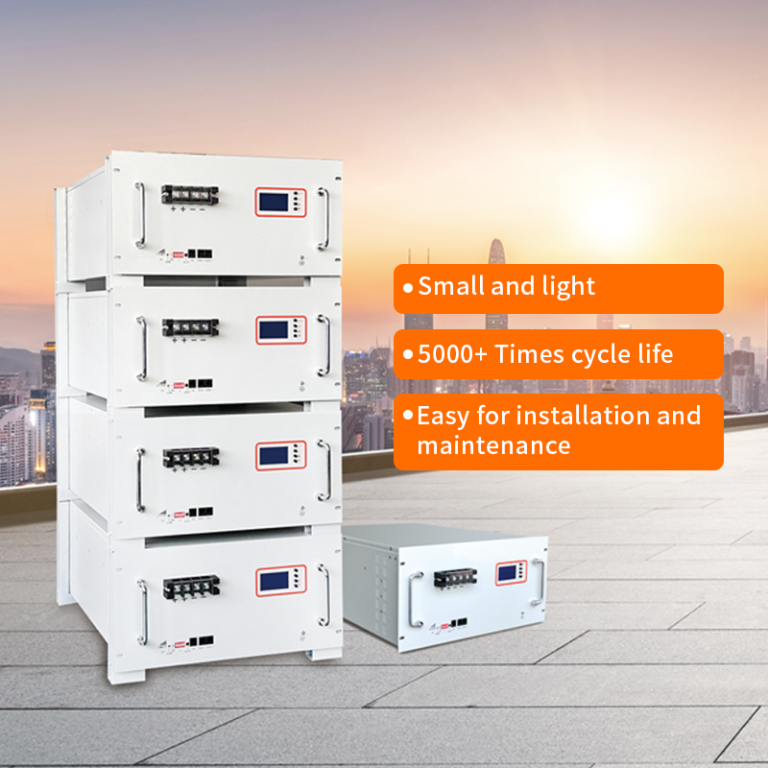
What creates THD in these systems?
THD comes from non-linear devices and inverter switching. When high-power inverters and heavy non-linear loads share the same AC bus, they produce harmonic currents that distort the waveform. That distortion pushes equipment beyond normal operating limits and can mask true power factor, making apparent load look different from actual load. In short: switching electronics + high load = harmonics that propagate through the microgrid.
Immediate effects you’ll see on site
High THD shows up as overheating transformers, nuisance trips on inverters, and faster degradation of capacitors and filters. It also skews state of charge (SoC) readings and can make demand meters misreport — which hits commercial customers in their billing. Over time, repeated trips and thermal stress reduce available kWh and raise maintenance costs.
Practical fixes that work
There’s no single silver bullet, but a layered approach wins:
– Use inverters with better THD rejection and higher switching-frequency control. – Add active or passive harmonic filters tuned to dominant orders. – Improve cable sizing and grounding to reduce impedance paths that magnify harmonics. – Apply power factor correction where reactive currents worsen harmonic effects.
Start with inverter selection and tune from there — oversizing the inverter slightly often reduces distortion under peak dynamic loads. Active filters are pricier but pay off where variable-speed drives or heavy nonlinear loads are present.
Common installation mistakes
Installers often under-assess harmonic sources or assume the grid will absorb distortion. They’ll mix inverter brands without harmonics coordination or ignore filter placement — small errors that blow up under real use. Another frequent slip is commissioning without load profiles; you need measured harmonic spectra, not just nameplate assumptions. — That on-the-job testing is what separates patchwork installs from robust systems.
Selection checklist: what to verify before buying
When you’re hunting for the best battery storage for solar, run through these checks:
– Harmonic performance curves for the inverter at different loads. – Compatibility of filters with existing distribution transformers. – Manufacturer support for firmware tuning and field updates.
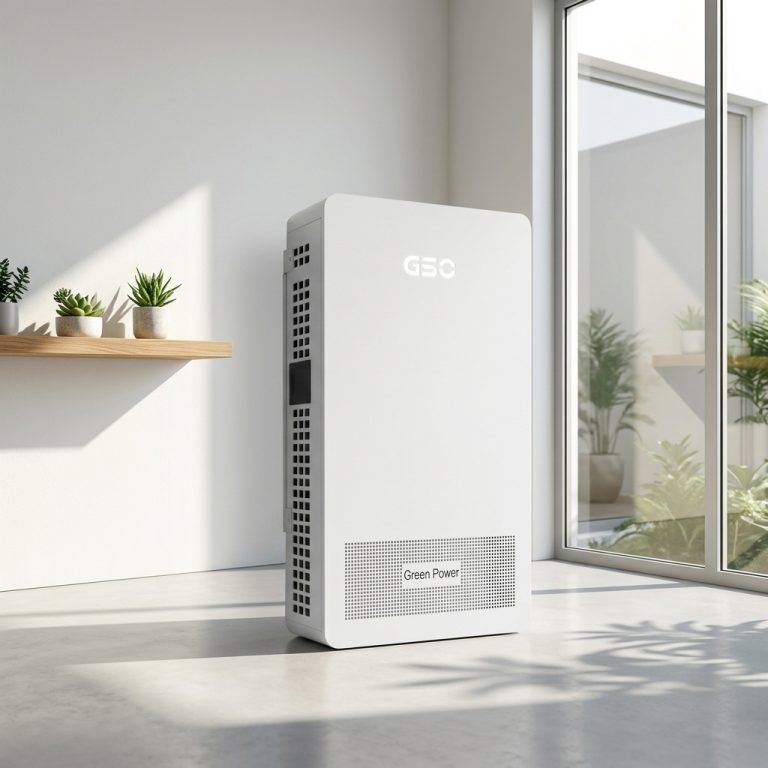
Also confirm expected duty cycles (peak kW, continuous kW, and kWh usable). Systems sized only by energy often fail on power quality when real loads spike.
Field testing and commissioning tips
Commission with an FFT-capable analyser to capture harmonic orders under peak and light loads. Log THD, voltage distortion per order, and power factor during a full operational day. If you see persistent 3rd or 5th harmonics above recommended thresholds, install targeted filters or rebalance phases. Keep commissioning notes — they’re gold when you revisit the site after seasonal load changes.
Golden rules for system selection (three critical metrics)
1) Harmonic tolerance: pick inverters and filters rated for THD limits lower than local grid acceptance. 2) Dynamic headroom: ensure inverter continuous and short-term surge capacity comfortably exceed expected peak kW. 3) Serviceability: choose systems with accessible firmware updates and local field support for tuning harmonics in situ.
These three metrics will minimise trips, reduce thermal stress, and protect usable kWh over the system’s life. Final thought — trusted suppliers accelerate getting it right in the field, and that’s where real savings live; gsopower sits squarely in that practical space.