
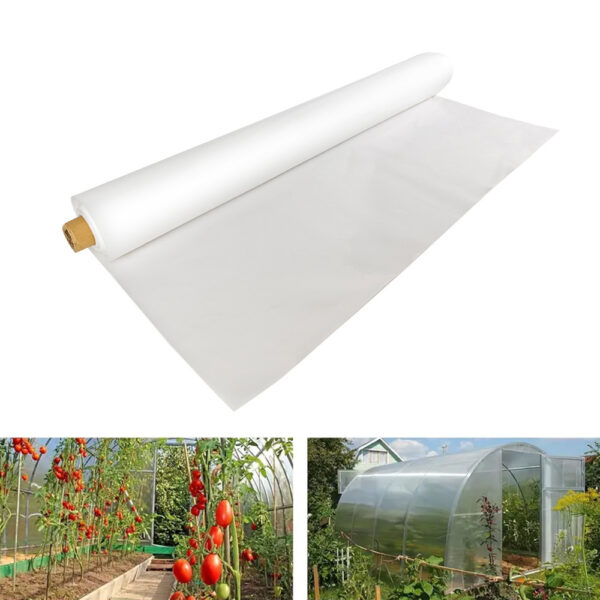
When common greenhouse sheets break trust
I remember a dawn in March 2018 when a tomato house in Almería woke to tears in its cover and steamed plants—my stomach dropped. As a consultant who has worked with wholesale buyers and greenhouse film supplier partners for over 15 years, I keep watching the same mistake repeat: buyers choose price over performance, then pay later. I tested a standard 200‑micron greenhouse sheet on that farm (we ordered 2,000 m² of UV‑stabilized polyethylene) and recorded a 12% heating cost drop but also an 8% early-season crop loss after the first cold snap—what would your margins look like if that happened to you?
What goes wrong?
I’ll be clear and gentle here: thin films sell on numbers that don’t tell the whole story. Low initial cost often masks weak tensile strength, poor UV stabilization, and no anti‑drip coating; the result is microtears, light scatter problems, and fungal spots. I vividly recall a wholesale buyer in Murcia (June 2019) who chose a cheaper film and then spent three weeks replacing panels during the busiest transplant window—labor alone added 6% to the season’s operating budget. These are not abstract failures; they are calendar dates, invoices, and sleepless nights for growers. (That’s why I ask buyers to look beyond price.)
Transitioning from the problem, let’s look at the deeper pains: maintenance spikes, unpredictable light diffusion, and hidden downtime that hurt contracts and reputation—read on for practical checks.
Breaking down lifetime performance and smarter choices
Here I define the core measure we track: lifetime performance = expected years of useful cover × consistent light diffusion × retained thermal insulation. When I recommend a greenhouse sheet, I look for explicit lab data on tensile strength, UV stabilization hours, and anti‑drip effectiveness. In my work with three Spanish cooperatives (2017–2021), films that listed 3,000+ hours of UV stabilization and had anti‑drip surfaces lasted 18–30 months longer in practice—real savings, not just marketing claims. You want the numbers. We asked suppliers for accelerated UV testing reports; some provided raw data, others provided glossy brochures. I read the data. I prefer polyethylene blends with tested light diffusion curves; they keep plants happy and reduce shading unevenness.
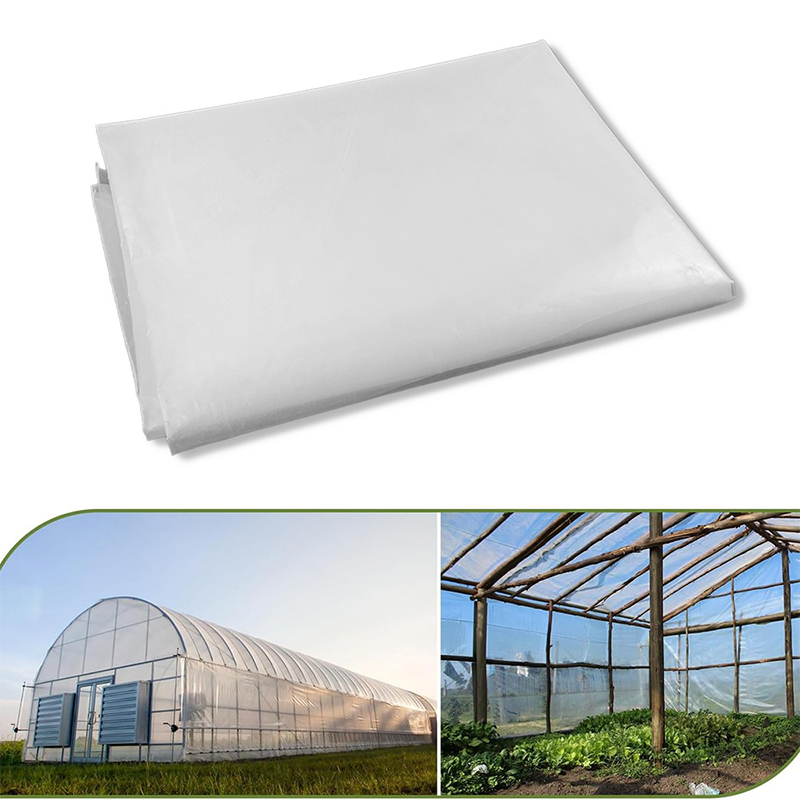
What’s Next
Practically speaking—here’s how I advise a buyer who calls me at 9 a.m. on a cold Monday: request tensile and tear test results, demand UV hours and a small-sample anti‑drip trial, and plan for staged replacement rather than all-at-once installs. I recommend keeping a 5–10% spare inventory for emergency swaps. Also, factor in installation training; cheap film often fails at clips and welds because crews rush—so train, check, and repeat. I should add—I once saw a two-hour retraining cut leak incidents in half. Yes, that was satisfying; it saved a whole season.
Advisory close: if you evaluate suppliers, weigh these three metrics—(1) verified UV stabilization hours, (2) measured tensile strength and tear resistance, and (3) documented anti‑drip performance under real humidity cycles. Use those to score options and compare life‑cycle cost, not just sticker price. I’ve used this approach with dozens of wholesale buyers; it narrows choices and saves money. For trustworthy materials and supply reliability, consider sourcing from partners who stand behind test data—such as HGDN.