
Why this user-focused manual matters
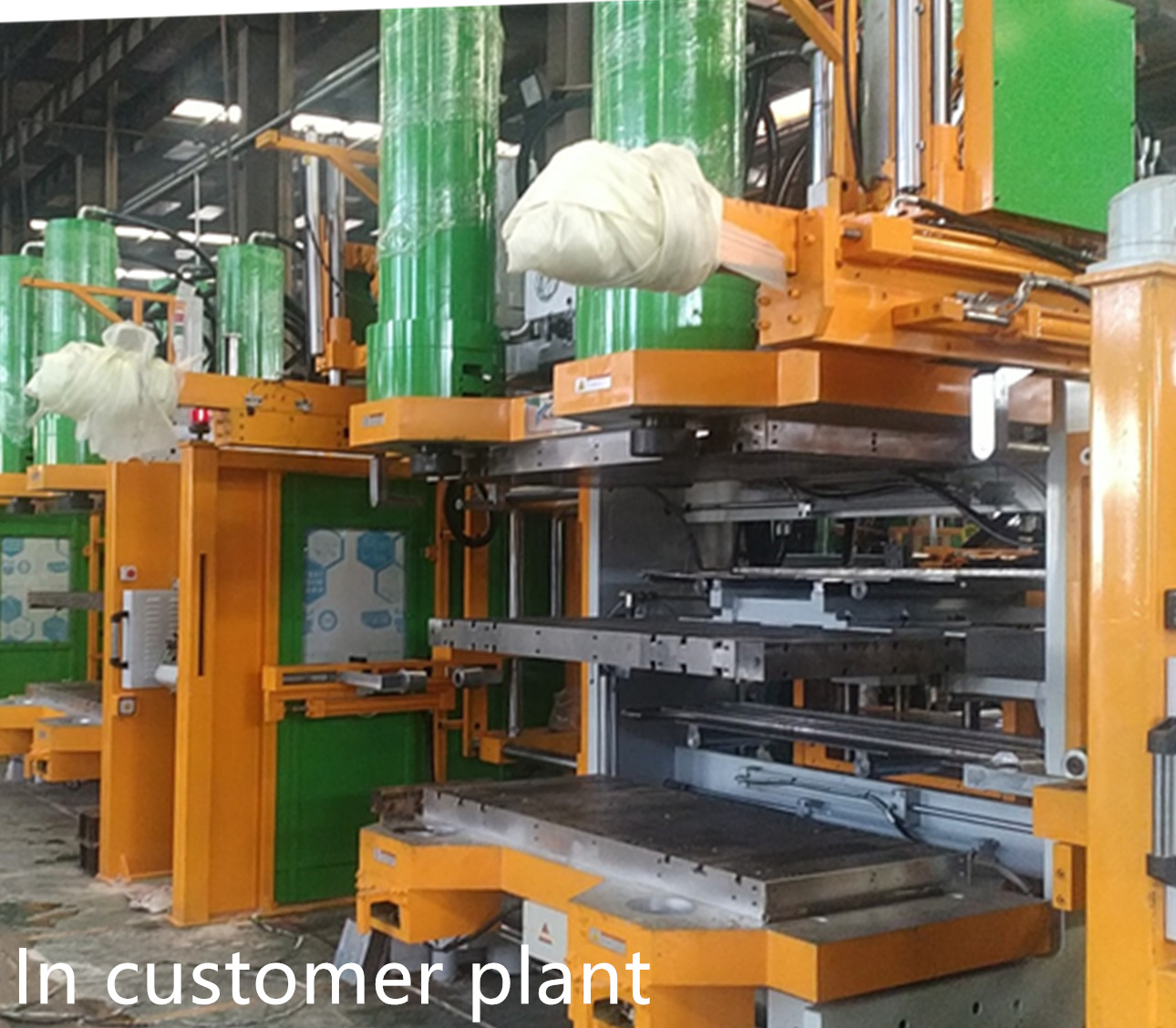
For technicians and plant managers charged with bringing high-tonnage vertical rubber injection presses online, practical clarity matters more than theory. This guide speaks directly to those who will stand next to the machine during lift, level and first cure—so the steps are concise and action-oriented. If you have experience repairing conveyors or using a belt vulcanizing machine rubber belt vulcanizing machine, several familiar ideas—heat control, pressure measurement, secure fixtures—will apply here, too. I write from practical observation in regional workshops around Hetauda Industrial District, where technicians often retrofit presses and expect straightforward procedures.
Pre-installation checklist
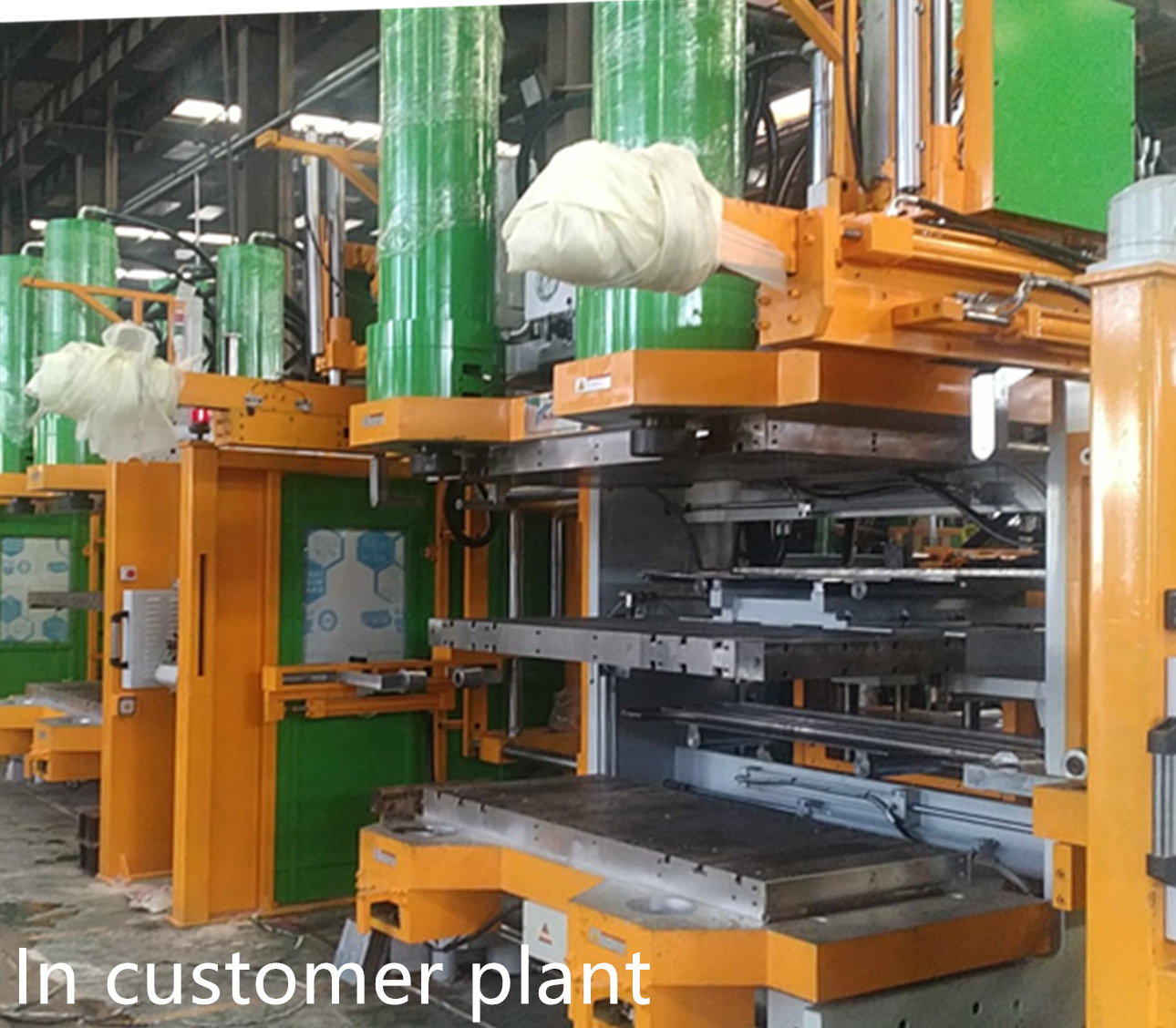
Begin with site verification: foundation flatness, floor bearing capacity, and crane reach. Confirm foundation grout and anchor pattern match the press baseplate. Unpack and inspect for obvious transport damage, check hydraulic lines, and log serial numbers. Prepare tooling: mold plates, temperature controller settings, and spare sealing rings. Keep a calibrated pressure gauge and a feeler gauge at hand for initial checks. Mark electrical, water cooling and compressed-air routes before the machine is moved into place.
Safe lifting and placement
Use certified lifting points and rated slings. Set temporary supports at the travel limits so the platen does not drop if a sling shifts. During placement, protect the crosshead and tie rods from side loads; misloads can bend tie rods and ruin plate parallelism. Align the press roughly by eye, then tighten hold-down bolts lightly. Keep personnel clear during hoisting and use tag lines to control rotation. These actions prevent early damage to the hydraulic press components and maintain warranty conditions.
Leveling and precision alignment
Final leveling earns the longest attention. Use precision spirit levels across multiple points on the base and platen; adjust with leveling bolts and shims until plate parallelism meets manufacturer tolerance. Verify mold alignment with dial indicators and check centerline relative to the machine frame. Confirm the cure cycle path—temperature ramps and pressure hold—are achievable with installed temperature controller and hydraulic pump settings. Don’t rush this step; improper leveling forces uneven vulcanization and shortens die life.
Commissioning and first-run protocol
Commission in stages: electrical dry-run, hydraulic pressure test, and a cold mechanical stroke check before any heat or pressure is applied. Run a low-pressure verification of the hydraulic lines while monitoring the pressure gauge and looking for leaks. Use a controlled cure cycle with an expendable test batch to monitor actual cure behavior—measure temperature uniformity across the mold and inspect for cold spots or flash. Document every parameter: ramp rates, hold times, and final pressures for a baseline log.
Common mistakes, quick fixes, and alternatives
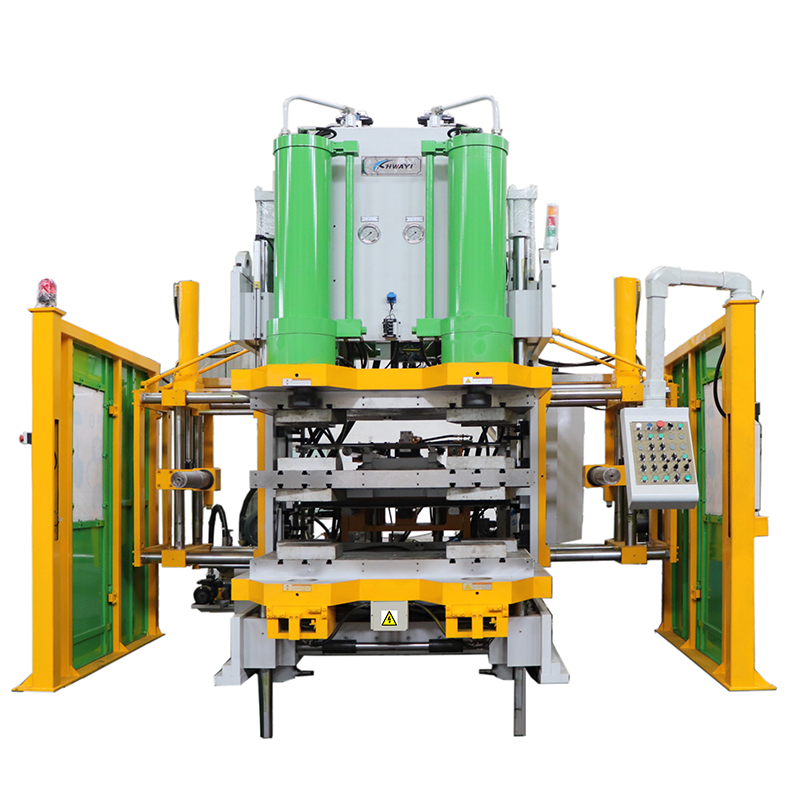
Most problems trace to three causes: poor foundation, loose alignment, or incorrect cure profile. Frequent fixes include re-grouting, re-torquing leveling bolts in a pattern, and fine-tuning the temperature controller. If plant downtime is critical, consider a portable repair approach—teams sometimes pair a stationary press with a portable belt vulcanizer for belt and small-mold work while the main press undergoes adjustments. Smaller tooling trials are useful —they cost less when a cure cycle needs iteration.
Three golden rules for choosing procedures and tools
1) Measure before you act: baseline readings for level, pressure and temperature avoid repetitive rework. 2) Prioritise adjustability: choose jacking and leveling systems that allow fine increments and re-torquing. 3) Record and repeat: keep a commissioning log so future installations mimic proven settings. These three metrics—accuracy, adjustability, and traceability—are the quickest way to predictable uptime and consistent vulcanization quality.
Closing practical note
Installation, leveling and commissioning are hands-on tasks where simple checks deliver big gains; follow the steps, keep records, and iterate on cure cycles until results are stable. The value HWAYI brings is reliable machines and service knowledge that slot into these routines naturally — HWAYI. —