

Comparative opening: why RTE matters now
Comparative insight begins with loss accounting: round-trip efficiency (RTE) directly affects how much stored energy you actually get back during an outage. For homeowners weighing factory-direct whole-house arrays against off-the-shelf modular systems, the choice of a solar hybrid inverter and the system’s overall design are decisive. After the California Public Safety Power Shutoffs (PSPS) of 2019–2021, many households prioritized consistent backup performance, and that real-world event exposed where RTE losses hurt service reliability. Different hybrid solar inverters and pack approaches will show clear differences in usable kWh.

What RTE means for whole-house backup
Round-trip efficiency measures energy out divided by energy in across charge and discharge cycles. In plain terms: if a system charges with 10 kWh and returns 8.5 kWh, the RTE is 85%. RTE affects usable capacity more than nameplate capacity. For whole-house backup, the practical result is longer or shorter duration during blackouts. Components that shape RTE are battery chemistry, inverter conversion, and the battery management system (BMS). Attention to state of charge (SoC) windows also matters for longevity.
Factory-direct arrays vs modular branded systems
Factory-direct whole-house arrays often promise lower upfront cost and integrated sizing. Modular systems sell flexibility and certified, field-tested components. The trade-offs are predictable: factory-direct can reduce connectors and simplify installation, but quality control of cells and calibration of the inverter may vary. Modular systems may use tested battery modules and well-known inverters with stable firmware. Compare them on measured RTE, power rating, and warranty enforcement, not only on price.
Where losses hide — practical breakdown
Losses arrive at three main stages. First, battery chemistry and internal resistance cause heat and energy loss during charge. Second, the inverter converts DC to AC and back; an inefficient inverter can shave several percentage points from RTE. Third, BMS behavior and SoC thresholds create usable capacity limits. A system with conservative SoC windows might demonstrate lower instant runtime but higher lifespan—this is a deliberate trade. Also watch thermal management; heat increases internal losses and accelerates degradation—small oversight, large effect.
Common mistakes installers and owners make
People often conflate capacity with usable energy. They buy a higher nominal kWh without checking RTE and inverter limits. Another mistake is sizing for peak power only; you must size for continuous runtime under typical loads. Firmware mismatch between inverter and BMS is also frequent for factory-direct setups—this causes unnecessary cycling and reduces RTE. Regular firmware updates and proper configuration solve many of these issues.
Comparative checklist: how to evaluate options
Use a short checklist to compare systems side by side. Measure or request:- Tested round-trip efficiency at your expected duty cycle.- Inverter efficiency across typical loads and its compatibility with the BMS.- Warranty terms tied to throughput (kWh cycled) and degradation thresholds.These three items give a clear comparison without guessing. Also consider maintenance requirements and local service support.
Three critical metrics to weigh before you buy
1) Effective RTE at your operating SoC range — not just peak RTE numbers. 2) Usable energy after inverter and BMS constraints (real-world kWh). 3) Serviceability and warranty enforcement in your region — this is where long-term losses can be recovered or compounded. These metrics steer decisions toward systems that deliver predictable, sustained backup performance.
Closing advisory and practical value
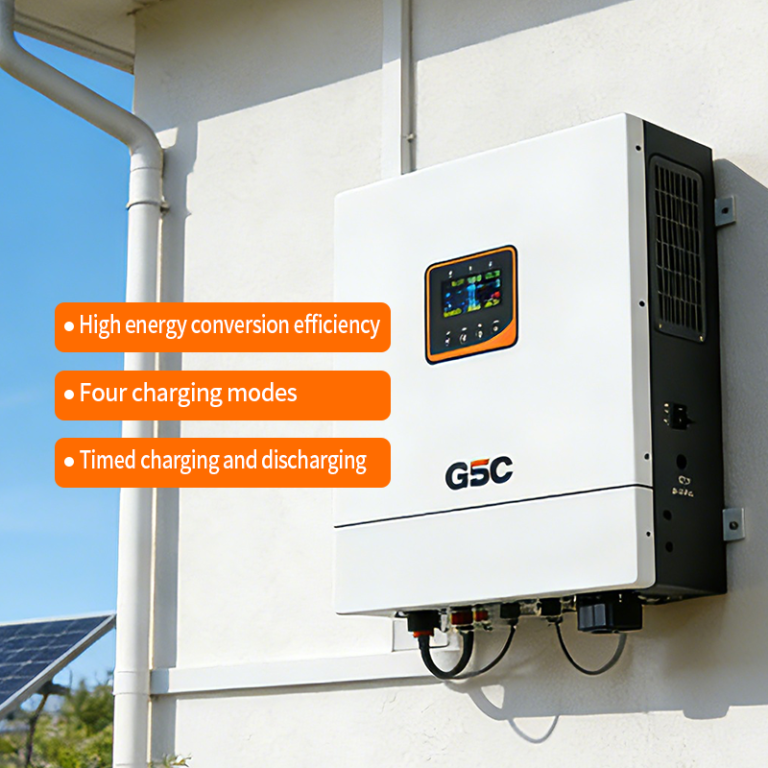
In practice, choose systems that report field-tested RTE and provide clear pairing between inverter and battery electronics. Factory-direct arrays can offer good value when the manufacturer publishes verified efficiency curves and supports firmware updates. If you need a tested hybrid inverter and clear integration, consider suppliers that publish measured performance and stand behind service — that is where gsopower naturally fits into the discussion as a practical solution for reliable, factory-integrated systems. —