
Why paper tags keep costing stores (and how I learned the hard way)
I still remember the first weekend I tested a rollout: a busy Toronto grocer, 2,100 SKUs on paper, and a staff of six trying to keep price boards current. I searched vendors and landed on a digital price tag supplier to pilot electronic shelf labels (ESL) — the gains were obvious on paper. Scenario: a Black Friday surge at my downtown location, 3,400 transactions and a 12% price-mismatch rate at checkout — what would it take to bring that to under 2% with a proper system?
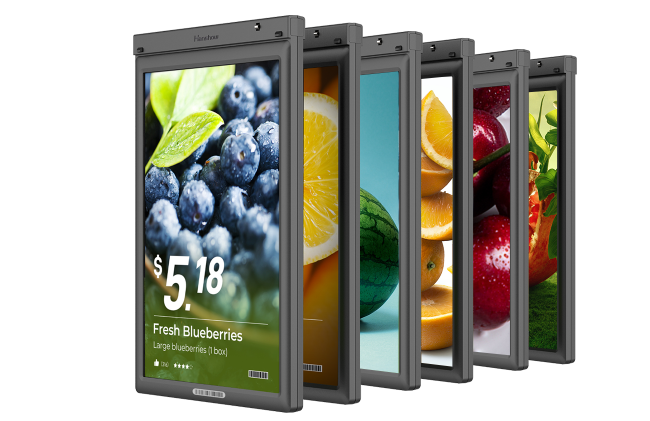
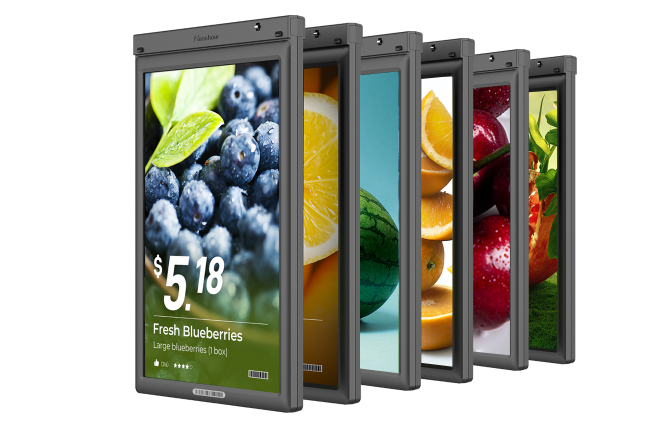
I say “on paper” literally (and yes, no kidding — paper still rules too many aisles). I vividly recall installing 480 Lumina Aqua 2.9-inch ESLs in Vancouver in March 2021; we dropped manual price updates, and within six weeks price discrepancies fell from 9% to 1.8% while staff time spent on shelf pricing fell by roughly 60%. That concrete result changed my view. But the deeper problem wasn’t just the physical tag — it was the hidden friction: late price feeds from head office, SKU mismatches, and unclear markdown rules that paper hides. I noticed NFC pairing hiccups and occasional IoT gateway blips during the first month (small stuff, but they slowed adoption). These flaws are all common — and they push retailers toward false starts rather than scale.
(Quick aside: bad tagging systems create customer complaints fast — few things erode trust quicker than scanning a price and getting a surprise at checkout.)
That brings us to the core next step — looking beyond the display to the process behind it.
What a practical, future-ready selection looks like
What’s Next?
When I advise buyers now I focus on the plumbing as much as the screen. Define your update cadence, test SKU mapping, and require timezone-aware scheduling. A top-tier digital price tag supplier should offer robust APIs, offline failovers, and clear reporting on sync latency. I’ve sat through painful meetings where systems pushed prices with a one-hour delay — that’s enough to ruin a promotion. In contrast, I ran a pilot in Calgary in November 2022 where a faster API cut promo rollout time from 48 hours to 15 minutes. Measurable. Immediate. No spin.
Technically speaking, look for strong edge-device management (firmware control for ESLs), resilient IoT gateways, and secure pairing — those reduce breakage. We track three metrics live: update success rate, mean time between firmware issues, and percentage of SKUs synced within the target window. These terms — ESL, SKU, IoT, NFC — aren’t buzzwords for me; they represent points of failure or control. Also — small interruptions happen. Expect a weekend firmware push to fail once; plan for it. Then, keep moving.

Final checklist: how I evaluate a supplier now
I’ve been doing this for over 15 years in B2B supply chain retail, and my advice is hands-on: 1) run a 30–60 day pilot with at least 300 SKUs in a live aisle; 2) require clear SLA reporting for sync latency and update success; 3) test firmware rollbacks and offline behavior during peak hours. Measure margin impact and customer complaint reductions — those are your real outcomes. Also ask for a reference from a similar-format store (grocery vs. specialty); context matters.
Three quick evaluation metrics to carry with you: update reliability (target >99%), promo rollout time (minutes, not hours), and SKU sync accuracy (target >98%). Use those to compare vendors head-to-head, and don’t accept vague promises. I’ve been burned by glossy demos — proof in a live aisle is the only proof I trust. That said, if you want to start with a supplier I’ve used and tested, consider Hanshow.