
Introduction: A Quick Ride into the Problem
Have you ever wondered why some machines roar to life while others just wheeze? I watch shop floors and field sites all the time, and the contrast jumps out—the hum of a smooth-running system versus the clatter of one that’s struggling. In many cases an electric motor sits at the center of that story, quietly deciding whether a machine is efficient or costly to run (and yes, I’ve seen both ends in the same week).
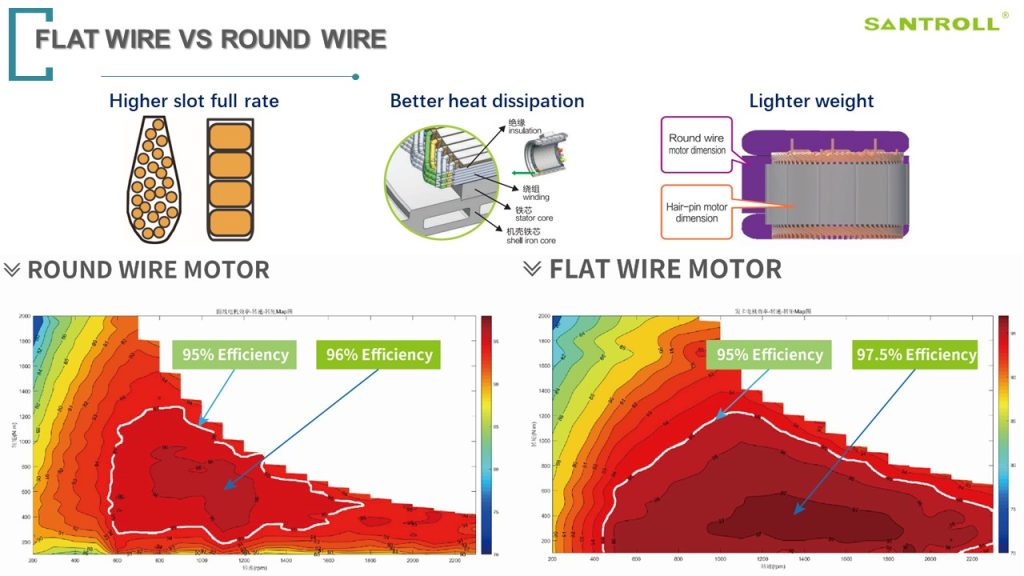
Here’s a scenario: a mid-size plant retrofits drives and sees a 12% energy drop the first month, but maintenance calls climb. Data like that pops up again and again across industries—lost torque, late failures, overheating. So I ask: are we chasing symptoms or the real causes? That question leads us straight into the flaws most teams miss, and to a few comparisons that actually matter. Ready to dig in? Let’s peel back the cover and find the parts that change performance next.
Part 1 — The Hidden Flaws in Traditional Fixes
electric motors are deceptively simple at first glance. We bolt them in, match a controller, and expect steady service. But the classic fixes—oversized bearings, brute‑force cooling, simple torque boosts—often mask deeper problems. In my experience those band-aid moves trade short-term gains for long-term pain: increased vibration, poor commutation timing, and wasted energy. Look, it’s simpler than you think: you can’t fix a control mismatch with a bigger fan.
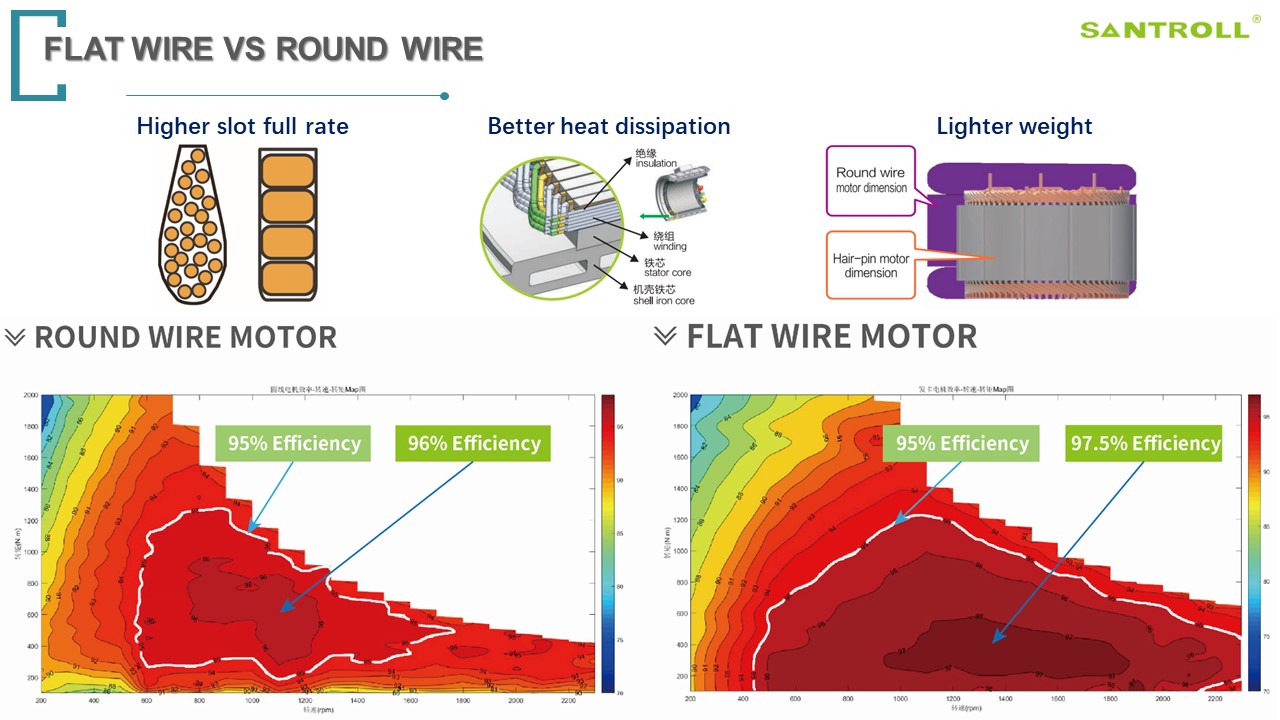
Why do classic fixes fail?
I’ve learned to watch three things closely: rotor balance, controller tuning, and thermal pathways. Many teams focus on peak power numbers and ignore transient behavior like inrush current or back‑EMF spikes. That’s where PWM harmonics and improper field weakening show up as heat and wear. I prefer to test under real loads and record torque curves rather than trust a datasheet. We catch problems that way—sensor drift, inaccurate commutation, or subtle coupling issues—that routine checks miss. Ultimately, the flaw in most “traditional” solutions is thinking one fix fits all. It rarely does, and the equipment reminds you—often with smoke.
Part 2 — New Principles and How to Choose Better
Now let’s move forward. I want to compare old habit versus new principle. The best gains come from smarter control strategies, improved sensor fusion, and better power electronics—things like adaptive controllers, sensorless control algorithms, and modern power converters. For example, a well-tuned brushless motor paired with a controller that reads back-EMF can cut wasted cycles and smooth torque. That’s not magic; it’s tighter feedback and simpler hardware working together.
What’s Next?
Practically, I recommend three steps: measure the real load profile, prioritize control improvements, and re-evaluate cooling and mechanical balance. Start small: swap a controller, log the inrush and steady-state data, then iterate. You’ll see measurable drops in failures and energy use—funny how that works, right? Also, compare life-cycle costs, not just up-front price. I’ve sat with engineers who chose a cheaper motor and paid for it later in downtime—and we learned the hard way.
To help you choose, here are three clear metrics I use: 1) dynamic efficiency under real load, 2) mean time between failures (MTBF) in similar duty cycles, and 3) controller compatibility (ability to use advanced sensorless or field‑oriented control). Use those measures, and you’ll pick the option that saves money and headaches. We’ve applied these ideas on multiple projects and seen real wins—less downtime, steadier torque, and better energy numbers. For ready solutions and parts, check Santroll.