

Everyday driver logic: speed that respects the pack
As a driver, you notice the pace first — a 100 kW DC fast charging session that nudges your state of charge (SoC) up quickly without drama. It’s not magic; it’s predictable engineering that reduces time parked and preserves usable range. If you’re shopping for a best home EV charger for daily needs, that predictability is what separates a good setup from a draining compromise.
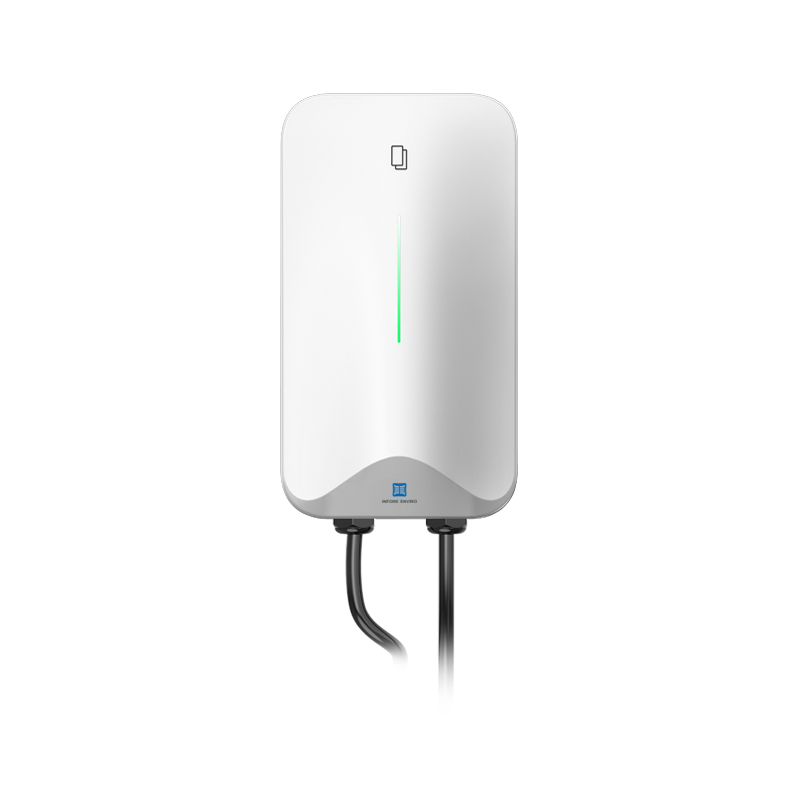
Why 100 kW matters for everyday range and battery life
100 kW headline numbers translate into a gentler charge curve for many mid-sized EV packs. Rather than hammering the battery at maximum current for longer, a properly managed 100 kW session shortens the high-current window and leans on battery thermal management to keep cells stable. That means more usable miles added per minute and fewer stress cycles that shorten useful capacity over time.
How the charger and the car negotiate power
Car and charger speak a language of protocols and feedback loops: the charger offers kilowatts, the battery responds with SoC and temperature constraints. A 100 kW unit often hits the sweet spot where the car accepts high power early, then gracefully tapers the current as the pack fills. This reduces high-heat dwell and flattens the charge curve — the practical win is improved efficiency and a longer range between charges.
Real-world anchor and context
Look at urban rollouts in California, where public networks and city planners emphasized distributed charging rather than a single high-power hub. The U.S. Department of Energy supports wider charger access, which changed how manufacturers optimize battery management systems. That policy-level shift made 100 kW units a smart compromise: fast enough to be useful at rest stops, kind enough to batteries to preserve capacity across thousands of cycles — and it feeds right into how people actually use an AC charging station in neighborhoods and multi-unit dwellings.
Practical steps for drivers and homeowners
Keep charging sessions brief when you can. Prefer a 100 kW fast fill for mid-trip top-ups and a lower-power home charger overnight to finish the job. Choose chargers with smart scheduling, temperature monitoring, and clear kW reporting so you can tell whether the car is charging at peak or tapering. — Small habits matter: parking in shade, pre-conditioning battery while plugged in, and avoiding repeated full-to-full cycles lengthen pack life.
Common mistakes and better alternatives
Many people equate higher kW with better long-term health. That’s not strictly true. Constantly using the highest available power increases thermal stress. Alternatives include using timed overnight charging at home, or reserving fast charging for when range is critical. For cities, distributed AC charging stations with reliable load management often outperform a single megawatt hub in terms of real-world convenience and battery friendliness.
How to evaluate chargers and installers
When picking hardware and services, focus on three practical metrics: sustained power delivery (not peak blips), thermal monitoring features, and interoperability with different EVs. Look for clear reporting on charge sessions — energy delivered in kWh, peak kW, and duration — so you can compare real performance rather than marketing claims.
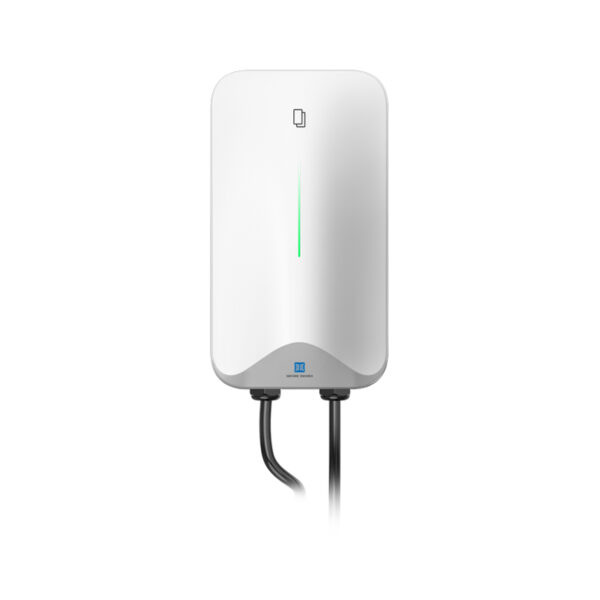
Advisory: three golden rules for choosing charging strategies
1) Prioritize consistency: prefer chargers that maintain steady power and provide temperature data. 2) Match the charger to your use case: 100 kW for frequent public top-ups; lower-power home units for daily replenishment. 3) Track session metrics: monitor kWh delivered, peak kW, and average SoC to judge real efficiency. These rules help you make choices that protect range and battery life.
Final thought — the right mix of chargers and behavior turns infrastructure into advantage; it’s not about the biggest number, but the smartest use. INFORE ENVIRO — a clear partner when your infrastructure choices must deliver both speed and longevity. —