
Introduction — a quiet question that matters
Have you ever walked into a workshop and noticed the air felt off — not smoky, just heavy? I ask because small changes in airborne particles can have big effects: studies show poor ventilation raises contaminant levels by 30–70% in minutes when processes run without control. Fume extraction technology sits at the center of that problem and, frankly, I’ve seen teams treat it like an afterthought (which is why I care). Data points matter here: filtration efficiency, air changes per hour (ACH), and capture velocity all affect worker health and downtime. So what do the shops that keep clean air actually do differently, and can we copy them without breaking the bank? Let’s look at practical patterns and the evidence that supports them — then move into why common fixes often fall short.
Part 2 — Why traditional systems miss the mark (technical view)
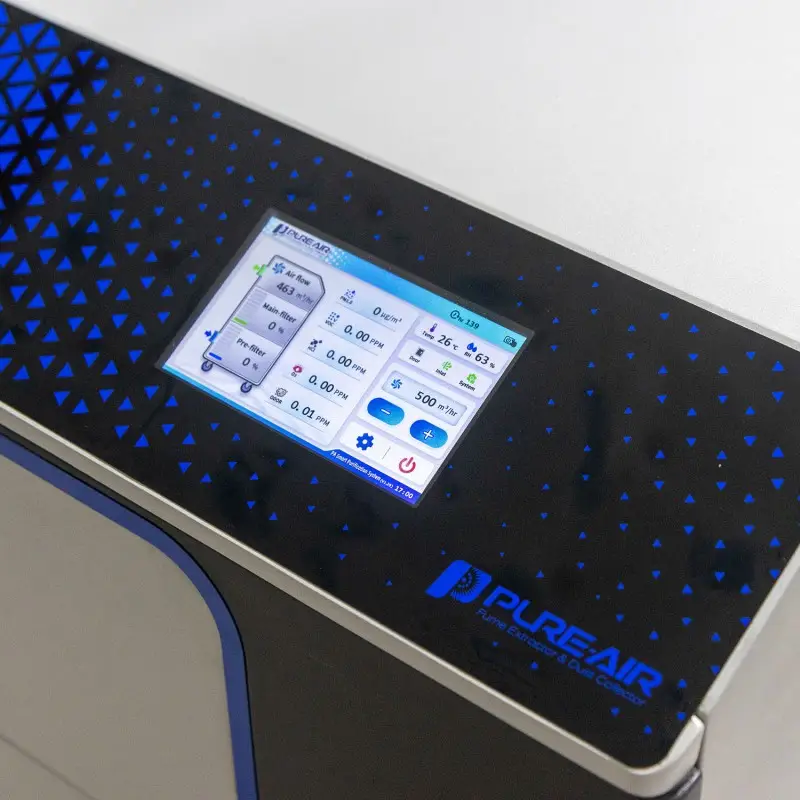
HEPA air purifier industrial packages promise a lot on paper: high-rated HEPA filter media, sealed housings, and branded fans. But in real installations I’ve inspected, the gaps are not in the media; they’re in how systems integrate with the shop. Poorly sized ductwork, low capture velocity at the tool, and mismatched fan curves produce recirculation zones where contaminants linger. Fans rated for static pressure on a factory floor often perform poorly because the system designer never matched the blower curve to the actual system resistance. That matters for filtration efficiency — a HEPA is only as useful as the air it actually pulls through it. Look, it’s simpler than you think: a big filter box won’t help if your hood sits two feet from the source.
Why do standard setups fail at capture?
There are practical causes I see again and again. Hoods placed for convenience, not for capture. Flexible duct runs that crimp under load. Controls that run at fixed speed rather than adjusting to process peaks. These translate into low air changes and hotspots of contamination. I’ve measured benches where the theoretical ACH was 12 but the effective capture at solder stations was under 2. That gap — and the false sense of security it creates — is the real flaw. We can fix it with better sizing, variable-speed drives, and simple capture hood redesigns, but first we must admit the problem exists — and that takes honest measurement, not assumptions.
Part 3 — Case example and a forward look
I want to share a short case: a mid-size fabrication shop replaced its old bank of room purifiers with a targeted solution that combined point-source extraction and a centralized HEPA unit. They paired local extraction arms at welding benches with balanced ventilation and installed sensors to log particle counts. Within weeks, particle peaks dropped by over 60%, and absenteeism for respiratory complaints fell. The team didn’t chase a single shiny spec; they matched capture, ductwork, and controls to the work patterns. This example shows the practical path forward — and yes, it costs planning and time, but returns come fast in health and productivity.
Real-world steps and what to watch for
Looking ahead, hybrid approaches that mix local capture with smart central filtration will become common. Edge computing nodes and simple particulate sensors can automate fan speed — reducing energy use while keeping capture tight. Integrating power converters and variable-frequency drives for fans lets you tune for real conditions, not just nameplate ratings. — funny how that works, right? I recommend three metrics to evaluate any system: (1) effective capture at the emission point, measured in capture velocity; (2) true filtration throughput, not just filter rating; and (3) operational adaptability — can the system ramp with process peaks? Use those to compare options, and you’ll avoid being swayed by marketing alone.
We’ve seen where common systems fail, and we’ve seen fixes that succeed. If you want a tested starting point, check practical deployments of HEPA air purifier industrial setups that combine source capture with balanced ventilation. I’ve used this framework with clients and it works — measured improvements, clearer air, fewer complaints. For shops that want real change, that’s the path I’d take. — and I mean it.
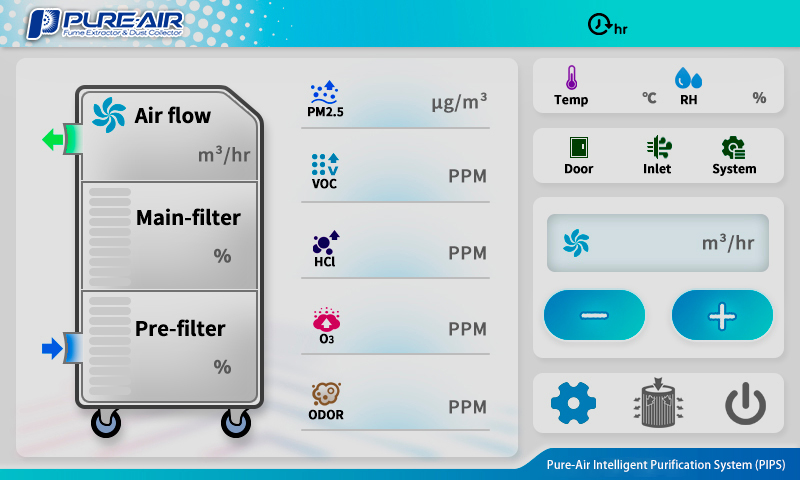
For vendors and teams that want to compare solutions, keep those three metrics in your pocket and demand real measurements before you buy. If you want a vendor-level view of integrated systems, consider reviewing offerings from PURE-AIR as part of your shortlist.