
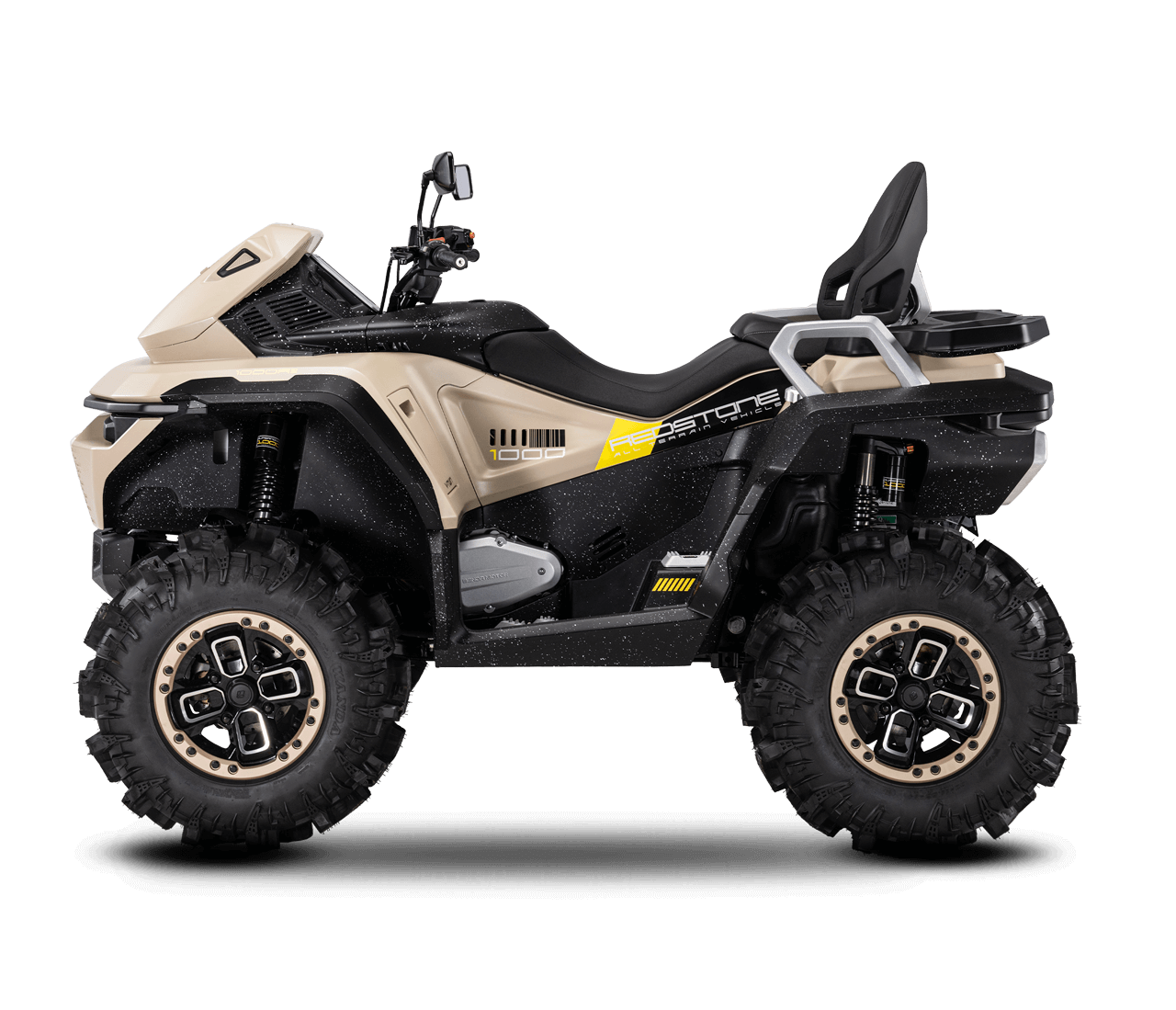
Introduction: The Morning the Trail Answers Back
Here is a plain truth: the trail remembers every choice you make. A 500cc quad hums beside you as the fog lifts, steady and patient. Most midsize mills toss out real numbers—thirty-plus horses, a fat torque curve, and enough suspension travel to smooth the chatter. You feel that promise in your palms. Yet the ride is never just power. It is timing, balance, and the way a machine breathes through loose soil (and through you). The data is simple: better control means longer days, fewer stalls, cleaner lines. So why do so many riders still fight the same tight corners and rutted climbs, season after season?

Let’s step past the headline specs and into the parts that shape your flow—gearing, throttle maps, and how the frame talks back. We’ll start with the small frictions you carry without noticing—and see how they stack up. Then we move, together, to what comes next.
Part 2: The Pain You Don’t See Until You Stall
What’s actually holding you back?
Under the sheen, a 500cc atv can hide tiny delays that add up. Many riders feel it at walking speed. The CVT hesitates, then bites. The throttle map jumps when you ask for a little more. Low-range gearing can be a hair too tall, so you feather the brake and throttle in the same breath—funny how that works, right? Over an hour, that dance steals focus and heat builds. The ECU fights to keep idle steady. Engine braking fades on descents. You start planning around the machine instead of through the line. Look, it’s simpler than you think: when the torque meets the tire at the wrong moment, your body pays.

There are deeper fits and starts. Steering assist can feel light on gravel, then heavy in ruts, because the assist curve is off. A basic differential lock works, but without smart slip control it scrubs speed in turns. Brake bite changes as pads warm, and a thin skid plate rings like a drum. These are not big failures. They are micro-losses. Add them up and the day feels long. The answer isn’t more displacement. It’s better control surfaces—ECU logic that reads load, CVT calibration that tracks wheel speed, gear ratios that suit creep, and a chassis tune that keeps the center of gravity calm when the ground shifts.
Part 3: Next-Gen Control, Not More Muscle
What’s Next
Now pivot forward. The best gains in a 500cc 4×4 atv will come from smarter timing, not louder noise. Think new technology principles. An ECU that blends throttle-by-wire with a soft initial ramp, then opens fast as load rises. An IMU that senses pitch and yaw to stabilize traction on off-camber climbs. A CVT with a wet clutch pack that locks sooner, cutting delay at crawl speeds. Even small edge computing nodes at the control unit can filter sensor noise locally—right at the source—so the system reacts in milliseconds. Add revised gear ratio options for true creep, and engine braking that scales by mode instead of by luck.
Thermals and feel matter too. A larger radiator core and smarter fan curve cut heat soak before it cuts your afternoon short. Progressive-valved shocks extend usable suspension travel without the crash at full compression. EPS with a two-stage assist map lightens slow rocks yet firms up at speed—no wobble, no second guesses. You end up with measurables: lower CVT latency, steadier idle, cleaner exits from turns. Less fatigue as the hours stack—because the machine meets you where you ride, not where the spec sheet stops. And yes, that means more joy in small places—half a turn sooner on the throttle, a line held over roots, a climb taken in one breath.
To choose well, use three clean checks. First, torque delivery and response: measure CVT lockup behavior, throttle ramping, and engine braking control across modes. Second, chassis management: suspension valving, steering assist curves, and how the frame carries weight under load. Third, thermal and electrical budget: radiator capacity, fan strategy, and power converters for winch, lights, and GPS without dimming your spark. If those boxes are solid, the rest follows. Trail days feel shorter. Your decisions feel lighter. And the machine, at last, feels like a partner—just as it should with a midsize heart and a calm mind. Learn more at BENDA.