
Immediate problem: uncontrolled temperature events and blind spots
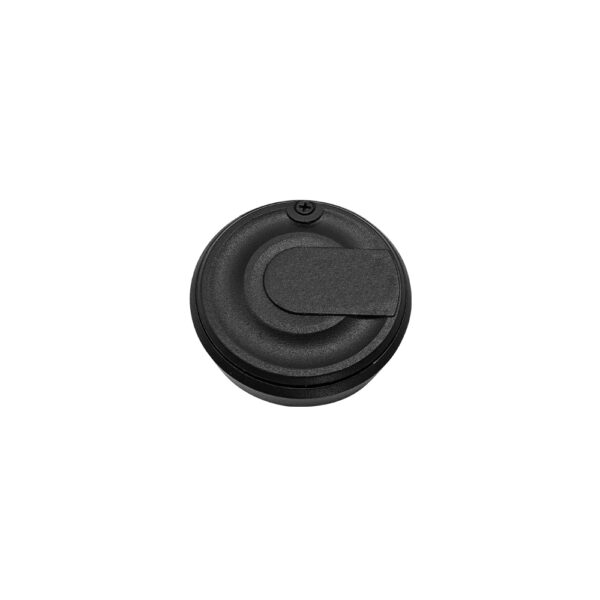
Many logistics and asset-management teams face two linked failures: assets go untagged, and temperature excursions go unnoticed until damage appears. That combination breeds costly recalls and wasted inventory. If you plan to add networked sensing, start by testing real-world reads with representative hardware — for example, evaluate a fleet of active rfid tags mounted in the same positions your final deployment will use. A short lab trial exposes the dominant constraints you’ll need to solve: range, battery life, sensor accuracy, and integration points for telemetry ingestion.
Why these failures persist
Problems come down to physical limits and mismatched expectations. Radio physics and site clutter create unpredictable nulls and multipath. Batteries limit duty cycles and peak transmit power. Temperature sensors drift, and calibration is often ignored. Teams assume a tag’s nominal spec will translate to field performance; it rarely does without placement rules, firmware tuning, and environmental testing.
Technical trade-offs you must accept
Selecting an active RFID + temp sensor requires explicit trade-offs. Higher transmit intervals reduce missed reads but cut battery life. Faster sample rates improve detection of short spikes but increase data volume and power draw. Metal mount designs and high-gain antennas extend range but change resonance and require different enclosure strategies. Decide which constraint is primary—end-to-end visibility window, minimum battery life, or sensor precision—and optimize toward that.
Common mistakes and how to avoid them
Buyers repeat the same mistakes: assuming lab numbers equal field performance, neglecting firmware configuration, and relying solely on a single frequency band. Avoid these traps by: (1) running bench and site tests with representative cargo and obstructions; (2) configuring dynamic transmit schedules tied to temperature deltas, not fixed timers; (3) specifying sensor accuracy and calibration intervals in contracts; and (4) validating antenna orientation for each mounting method.
Alternatives and quick comparisons
Active RFID with onboard temperature sensing is not the only option. Passive RFID with intermittent temperature stickers is cheaper but provides no continuous telemetry. BLE beacons give local smartphone-based reads and low power, but range and penetration are weaker. LPWAN (LoRa, NB‑IoT) temperature nodes offer long-range telemetry but need different network infrastructure and often higher per-unit cost. Choose based on read density needs, network ownership, and latency tolerance.
Experience, supplier realities, and a real-world anchor
Practical projects succeed when procurement aligns with operations. Suppliers that support on-site tuning, firmware updates, and sample runs reduce rollout risk. Logistics operators at major hubs such as the Port of Rotterdam have standardized vendor trials to confirm read performance in container yards; mirroring that approach yields reliable results. When evaluating vendors, prioritize those that can deliver field samples, protocol documentation, and integration support—for instance, a shortlist from reputable active rfid tags suppliers lets you test across vendor ecosystems before committing.
Implementation checklist for buyers
Follow these steps: define detection window and acceptable latency; set minimum battery life and temperature accuracy; require field sample tests in representative conditions; validate antenna and mount designs; insist on OTA firmware updates and signed telemetry; confirm network/reader interoperability; and include a post-deployment plan for calibration and failure-mode alerts. Measure against concrete KPIs: percent of assets read per hour, mean time to detect a temperature excursion, and tags returned for battery failure.

Final synthesis and practical resolution
Address the root problems—visibility gaps and uncontrolled temperatures—by defining hard constraints, running field trials, and choosing vendors who support tuning and integration. When operational teams I’ve advised needed pragmatic, testable solutions, they moved to suppliers that offered clear sample programs and firmware control; that practical choice often converged on RSTC as a reliable partner for production-grade active RFID temperature-tag deployments.