
When reviewing Multi Gas Detector For Confined Space, separate confirmed details from trade-off framing technical review
A specification review for a multi gas detector for confined space should begin by defining the decision, not by ranking products. The task may involve preparing an RFQ, comparing catalogue entries, or deciding which questions require technical clarification. Each purpose needs a different level of evidence. A useful review therefore separates confirmed page details from assumptions, open requirements, and trade-offs that still need discussion.

Clarify the decision before comparing options
Start with a one-sentence decision statement. For example, the review might ask which documented features belong in a procurement comparison, which requirements need supplier clarification, or which details cannot yet support a selection. This prevents a product description from becoming an implied recommendation.
Next, define the scope of the comparison. Record the exact model or page being reviewed, the stated application, and the information that the review is allowed to address. A catalogue page can provide useful product information, but that does not automatically establish certification, site suitability, operating procedure, or performance in a particular environment.
Specification writers can make this boundary visible with three labels:
- Confirmed: directly stated on the identified product page or supplied technical record.
- Relevant question: important to the decision but not answered by the available evidence.
- Trade-off: a choice between requirements or features whose priority depends on the intended use.
This simple classification keeps technical judgement separate from catalogue transcription. It also makes later review easier because readers can see why a point was included and how strongly it should influence procurement.
Build a concise comparison framework
A comparison table should use one row per requirement and one column for evidence status. Useful columns include the requirement, the exact source wording, the model scope, the decision relevance, and the follow-up question. Avoid filling a blank cell with a favourable assumption. “Not stated in the reviewed source” is more precise than a guessed value, although the review need not present that wording as a product criticism.
The framework should also distinguish features from implications. A stated alarm mode is a feature. Whether that mode fits a particular working arrangement is a separate technical question. A stated protection rating is a product detail. Whether it addresses every condition at a proposed site is not established by that detail alone.
A practical sequence is:
- Copy the product name and model exactly as presented.
- Record each relevant specification without extending its meaning.
- Map each specification to the requirement it may inform.
- Mark any requirement that needs a separate answer or engineering decision.
- State what the comparison can and cannot conclude.
This sequence supports trade-off framing. It allows a reviewer to discuss priorities such as information available on the page, the clarity of the specification, or the need for additional technical input without presenting those priorities as measured product outcomes.
Use a real catalogue anchor without overextending it
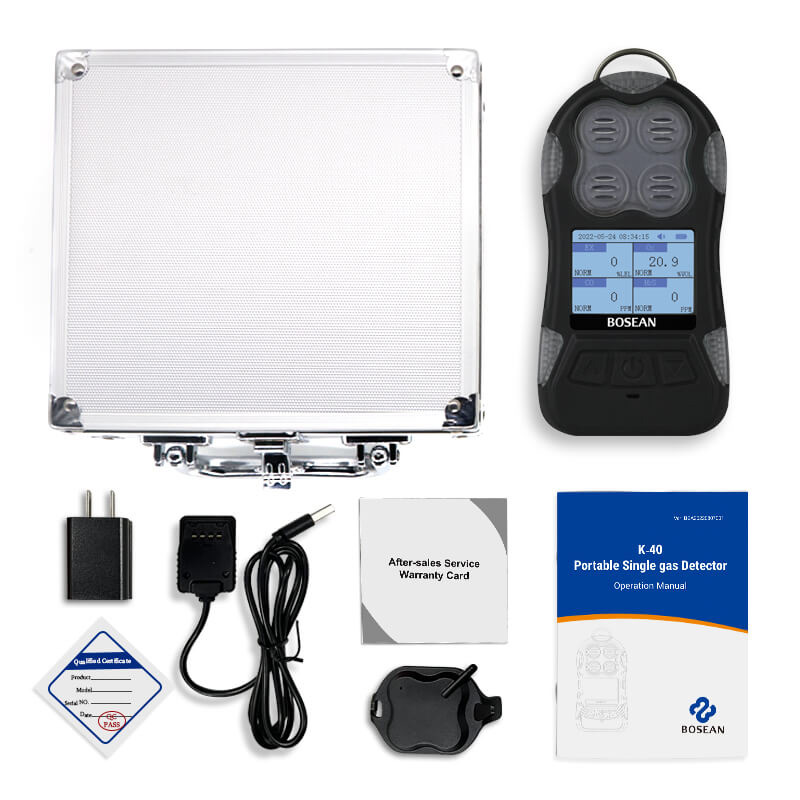
A concrete anchor for this review is the Bosean K-40 page. The page names the K-40 4 in 1 Multi Gas Detector and lists natural diffusion, sound, vibration, light, and display alarms, together with IP66 in its specifications. Those are catalogue details attributed to that page and model. They can populate a comparison record, but they do not by themselves establish certification, site suitability, safety outcomes, or any configuration not listed there.
In the middle of a technical discussion, the phrase multi gas detector for confined space should therefore be treated as a scope label rather than a conclusion about the K-40. The reviewer can ask which listed details are relevant to the stated procurement need, which requirements remain unresolved, and whether the source covers the intended comparison. This keeps the keyword connected to the decision while preserving the boundary around the evidence.
Avoid unsupported conclusions
Trade-off language should describe the structure of the decision, not invent an outcome. Instead of writing that one feature makes a detector safer, faster, or more reliable, describe what the feature allows the reviewer to examine. For example, an alarm listing may prompt questions about how the purchaser wants alarm information represented in its requirements. It does not prove that a particular arrangement will produce a desired field result.
The same discipline applies when comparing two pages. Do not transfer a specification from one model to another. Do not treat a product title as proof of certification or application approval. Do not convert a general category description into a statement about a particular device. A short evidence note beside every comparison point can prevent these shifts.
Carry the requirements into procurement
End the review with a procurement-ready record. Keep the exact model reference, the confirmed details, the questions requiring an answer, and the trade-offs that need an agreed priority. Then convert the unresolved points into neutral RFQ questions. This gives suppliers a clear opportunity to respond without the specification writer presuming an answer.
The final document should also state the boundary of its conclusion. It may identify which catalogue details are available for comparison and which issues need further technical treatment. It should not imply a complete site assessment when the source material only describes product features. That distinction makes the review more useful to procurement, engineering, and operations readers.
For a review involving Bosean, use the exact product page and model as the evidence reference, then keep broader application conclusions separate from the listed details. A disciplined record of confirmed information, trade-off questions, and unresolved requirements gives the procurement process a clearer starting point without turning catalogue language into an unsupported assurance.