
Introduction
Ever notice how the barn looks fine during the day but turns into a maze at night? I see that a lot on farms switching fixtures—so here’s a quick snapshot: commercial led barn lights can cut energy bills by 40–60% versus old metal halide setups, yet many installs still miss the mark. (That gap matters.) Farmers tell me their birds behave differently under the wrong color temperature and managers complain about flicker during dimming cycles — and those are symptoms, not the disease. Given this, what should you actually look for when upgrading a lighting system so it helps both animals and the bottom line? Let’s peel that back and get practical — you’ll want the next section for the nitty-gritty.
Why conventional fixes stall: a direct technical look at manufacturer choices
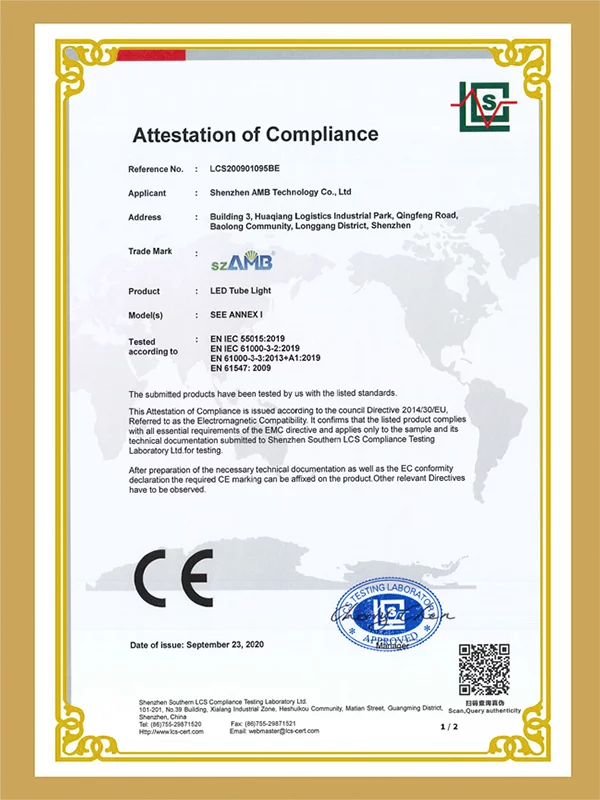
When I talk to poultry house lighting manufacturers early in a project, I press on a few concrete points right away: driver reliability, heat management, and correct lumen output. poultry house lighting manufacturers often face pressure to cut costs, and that shows up as cheap power converters or undersized heat sinks. The result? Driver efficiency drops, the CRI drifts, and lifespan claims don’t hold. I’ll be blunt — many retrofit kits ignore surge protection and IP rating needs for damp, dusty barns. Look, it’s simpler than you think: skimp on the driver and you’re signing up for early failure and inconsistent dimming (yes, even if the LED chip itself seems high quality).
Why do standard designs keep failing?
Two main reasons. First, the specs used during selection don’t match real conditions. Lumen output is listed at 25°C in lab tests, but barns run hotter and dustier—so output and color temperature shift in the field. Second, end-users get sold on initial lumen numbers without attention to beam angle or mounting height, which ruins uniformity. I’ve chased dozens of complaints where the fix was not swapping the lamp but tweaking beam angles and driver profiles. And that tells you something about choices at the design table — they shape long-term costs much more than the sticker price ever did. — funny how that works, right?
What’s next: new-principle solutions and a practical outlook
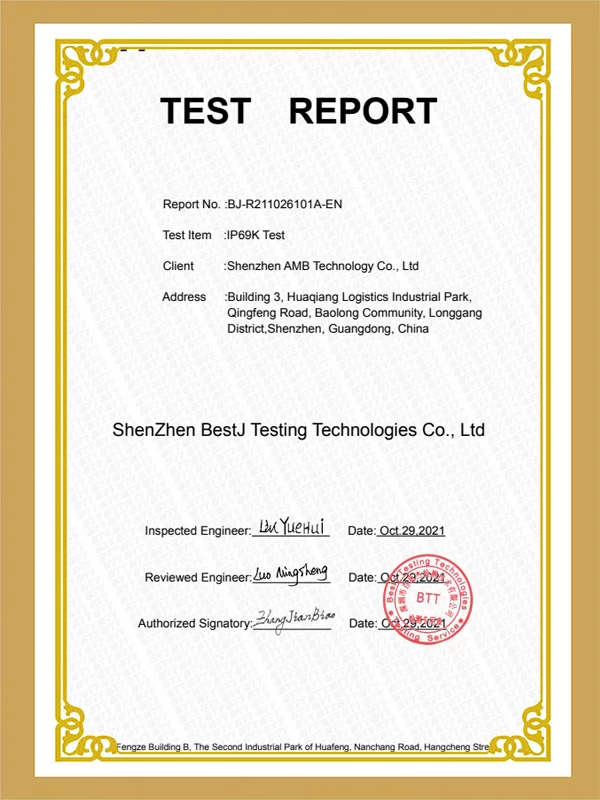
Switching gears, I want to outline the principles that actually future-proof installs. First: choose drivers with strong thermal foldback and proven dimming protocols. Second: match color temperature and CRI to the species and activity — 2700K–3000K for resting, 4000K for active zones. Third: insist on tested IP ratings and surge protection for barn environments. I often recommend teams run a short pilot (two or three fixtures) to measure real lumen output and verify dimming behavior before a full rollout. That’s a small step that prevents large headaches later.
Real-world impact — what to measure
Measure three things during a pilot: steady-state lumen output at operating temp, driver efficiency under dimming, and uniformity across the floor (lux variance). Those metrics tell you whether a system will last or if you’re just buying a warranty. I’ve seen manufacturers like poultry house lighting manufacturers update specs after pilots because real data exposed mismatches. And hey — I know that adds time to a project, but it saves money and animal stress down the line. — I mean it.
Closing recommendations
Summing up: I’ve walked you from the common mistakes to tested fixes and a forward plan. You want fixtures with robust power converters, clear specs for thermal performance, and the right color and beam choices for your operation. To make procurement easier, evaluate suppliers on three metrics: driver longevity (hours at operating temp), measured lumen maintenance (L70/L90 timelines), and proven dimming compatibility with your control scheme. Those numbers beat glossy brochures every time. If you keep those checks front and center, you’ll cut surprises and get lighting that actually supports production — and keeps those energy bills honest. For hands-on solutions and product lines I trust, check out szAMB.