
Introduction — the factory floor wakes up
I’ll say it plainly: the shop that ignores small shifts in tooling will pay for it later. Turret lathe manufacturers are at a crossroads as shops demand smarter automation and steadier cycle times. A recent survey I read showed many small job shops lost up to 12% productivity to setup delays last year—so what do we do about that? (I’ve seen the same delays with my own teams.) This matters because downtime chips away at margins fast. How do you compare suppliers, controls, and service when every spec sheet looks similar? Let’s break this down step by step and get into the details.
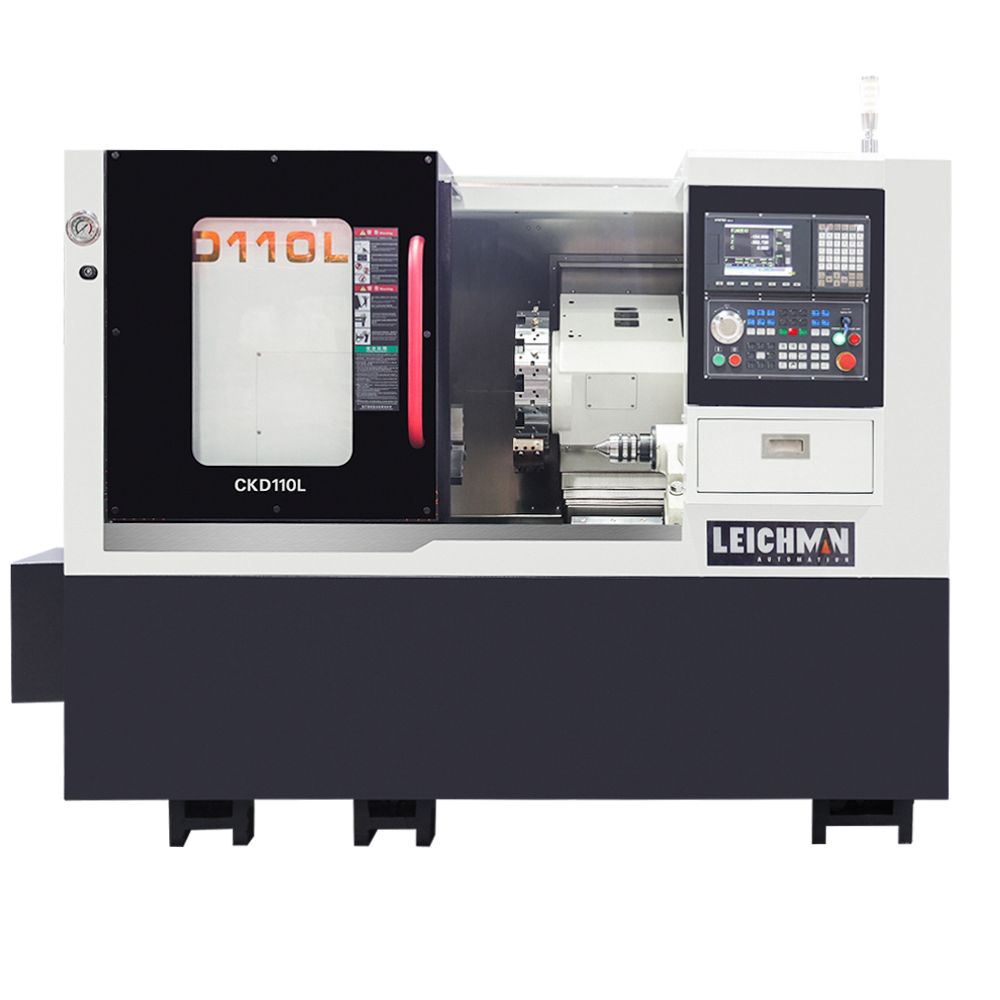
I want to be clear: I’m writing from shop-floor experience and from talking to engineers who wrestle with tooling, spindle life, and programming quirks every day. We’ll look at where manufacturers differ and why those differences matter to your bottom line. Ready? Then let’s move to what’s really hiding beneath the spec sheets.
Deeper Layer — why traditional fixes fail and where users hurt
cnc turret lathe often gets pitched as a drop-in productivity boost, but let me explain why that promise slips. At heart, a turret lathe is a system: tool turret, spindle, controls, and fixturing all must play together. When any one part is tuned poorly, you lose repeatability. I’ve seen setups where spindle speed and feed maps were mismatched to the cutting tool, and the result was chatter or shortened tool life. That’s a direct hit to throughput and scrap rates. Look, it’s simpler than you think: tune the drive and the tool profile as a pair. (Simple to say, harder to do when the data is scattered.)
Many shops also underestimate the pain of changeover. Bar feeders and collet chucks might seem like small choices, yet poor choices extend setup time by minutes that add up to hours weekly. Servo motor response and live tooling accuracy are two technical points I probe first when I assess a candidate machine. The control software is another hidden landmine—overly complex interfaces slow operators; rigid controls prevent on-the-fly fixes. We need machines that match human workflows, not ones that force workarounds. Have you felt that tension on your floor?
What’s the most common blind spot?
Often it’s the assumption that higher spindle rpm equals faster jobs. That ignores tool geometry, material, and torque. I trust machines that let me balance spindle speed with feed and tool life instead of chasing top rpm figures only.
Forward View — principles for choosing the next generation of turret systems
Now let’s look forward with a clear lens. I favor “principles over promises” when evaluating new tech. For turret systems, that means three core ideas: modular tooling, predictable control logic, and transparent service. A good cnc lathe turret should let you swap tooling quickly, map cutting parameters cleanly, and diagnose issues remotely. Those are not buzzwords — they’re practical features that cut setup time and fix cycles. I’d rather have steady, measurable gains than dramatic spec numbers that don’t translate to real work. — funny how that works, right?
When vendors show me a machine, I test how the system handles a mid-run change. Can the operator call a tool offset and keep the part within tolerance? How fast does the control recover from a transient load? These scenarios separate the real players from slick marketing. I also watch for open interfaces and standard protocols; they let you add diagnostics or integrate with MES later. That future-proofing saves money down the line.

What’s Next — practical metric checklist
Here are three metrics I use to pick a turret lathe supplier:
1) Mean Time to Set Up (MTTS): measure the average time to change tooling and fixtures for a standard part family. Lower MTTS equals more flexible capacity.
2) First-Pass Yield (FPY): track the percent of parts meeting tolerance on first run after setup. FPY reveals real-world calibration and control quality.
3) Diagnostic Transparency Score: can you pull error logs, spindle load graphs, and drive parameters remotely? If yes, that score is high and the machine is easier to support.
Use these to compare offers rather than relying on peak rpm or marketing slides. I’ve used this checklist across dozens of evaluations and it narrows choices fast. We want machines that make life easier for operators and planners. I’ll close by saying I trust suppliers who back their tech with clear service pathways and good controls. For me, that’s why I often point teams toward experienced names like Leichman—they balance the real-world needs we’ve discussed with solid engineering and support.