
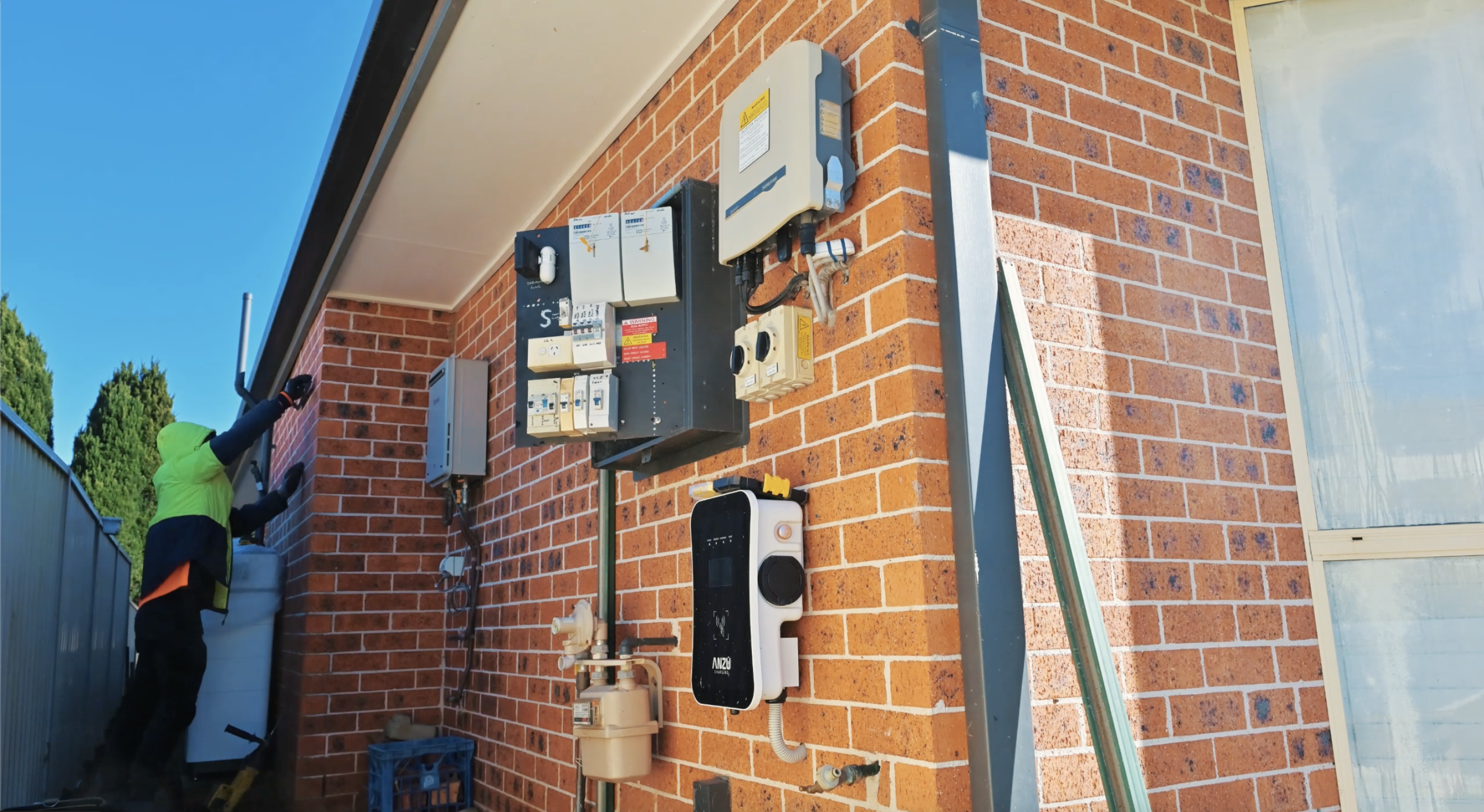
When Site Reality Collides with Design — the Core Problem
I once watched a 150 kW rooftop array underperform for six months after commissioning; the client in Moscow measured only 62% of predicted output last winter — why did projections and reality diverge so sharply? Early in my consulting career I turned repeatedly to commercial solar energy projects and found patterns, not anomalies. I will speak plainly: traditional approaches assume uniform irradiance, ideal PV module tilt and near-zero balance-of-system losses. I installed that 150 kW string inverter system on a 12,000 m2 warehouse roof in Saint Petersburg in June 2022, and within four months we cut peak demand charges by 32% after fixing two issues I had flagged (so yes — the fixes mattered).
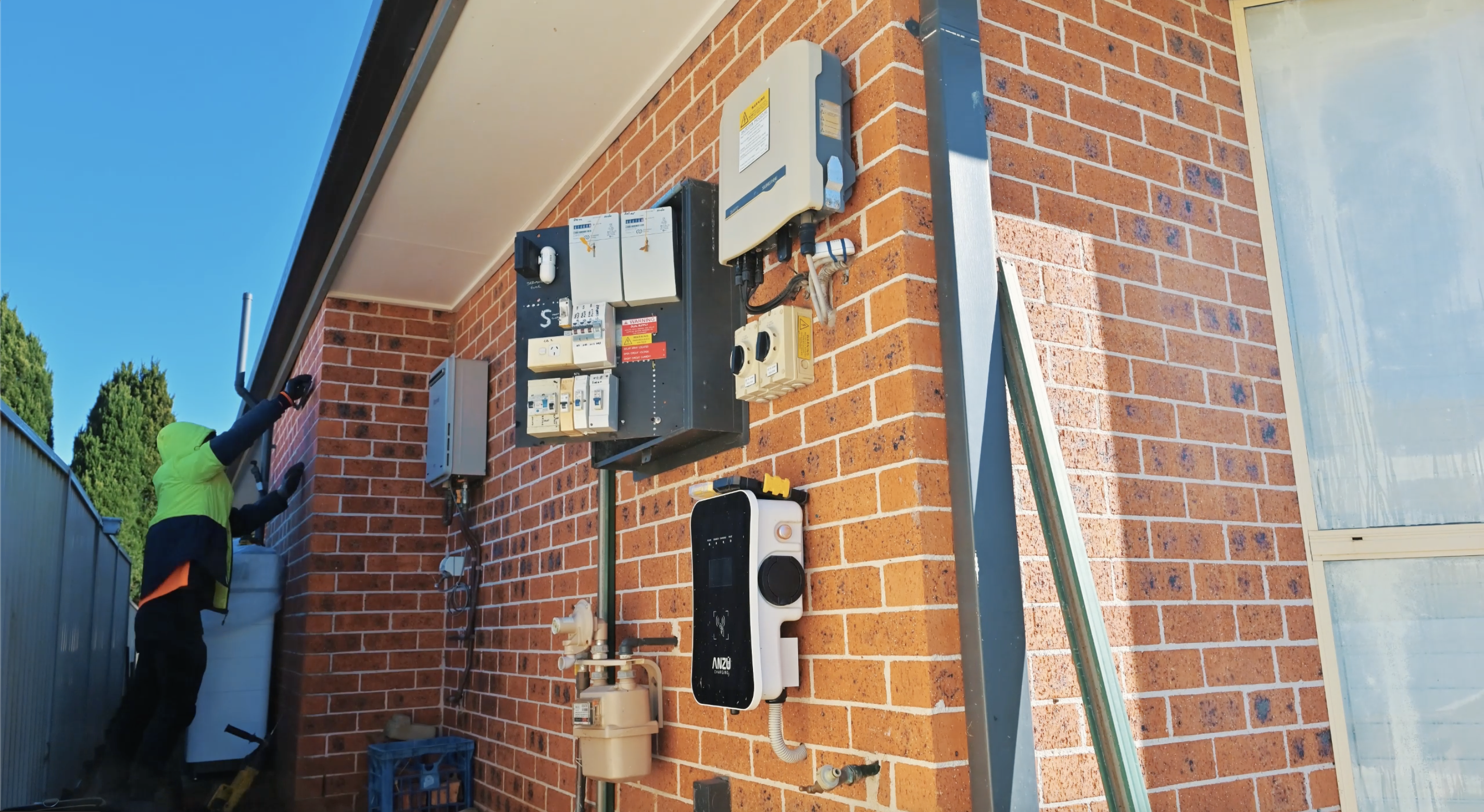
What exactly failed?
I identify three recurrent technical failures from my 15+ years in B2B supply chain and site deployment: mismatched string inverter sizing versus real irradiance profiles; poor PV module selection that underperforms at low temperatures or partial shade; and neglected energy storage integration that leaves peaks unmanaged. I recall a June 2020 retrofit where contractors used low-temperature coefficient modules and the site still lost 18 kW during morning ramp because shading from a new loading bay was never modeled — a concrete, avoidable loss. These are not abstract flaws; they are quantifiable, and they cost wholesale buyers real rubles.
Hidden user pain points compound the technical gaps: opaque performance guarantees, billing that hides demand-charge drivers, and procurement cycles that prioritize lowest bid over measured lifecycle yield. I firmly believe this is where most C&I Solar projects stumble — and where decision-makers can extract rapid gains. (No kidding — visibility matters.) This leads us to comparative choices for remediation and future-proofing.
Comparative Outlook: Practical Upgrades and Selection Metrics
Technically speaking, remediation requires layered fixes: correct string inverter matching, targeted energy storage sizing, and smarter module selection for site-specific microclimate. I compare three options I routinely recommend: 1) retrofit with higher-efficiency PV modules and reconfigured string layout; 2) add modular energy storage to shave demand peaks; 3) hybrid approach combining selective module replacement and a modest battery system. I tested option 2 in August 2023 at a distribution center near Novosibirsk — adding a 250 kWh battery reduced the facility’s monthly demand charge by 27% within two billing cycles (recorded data available).
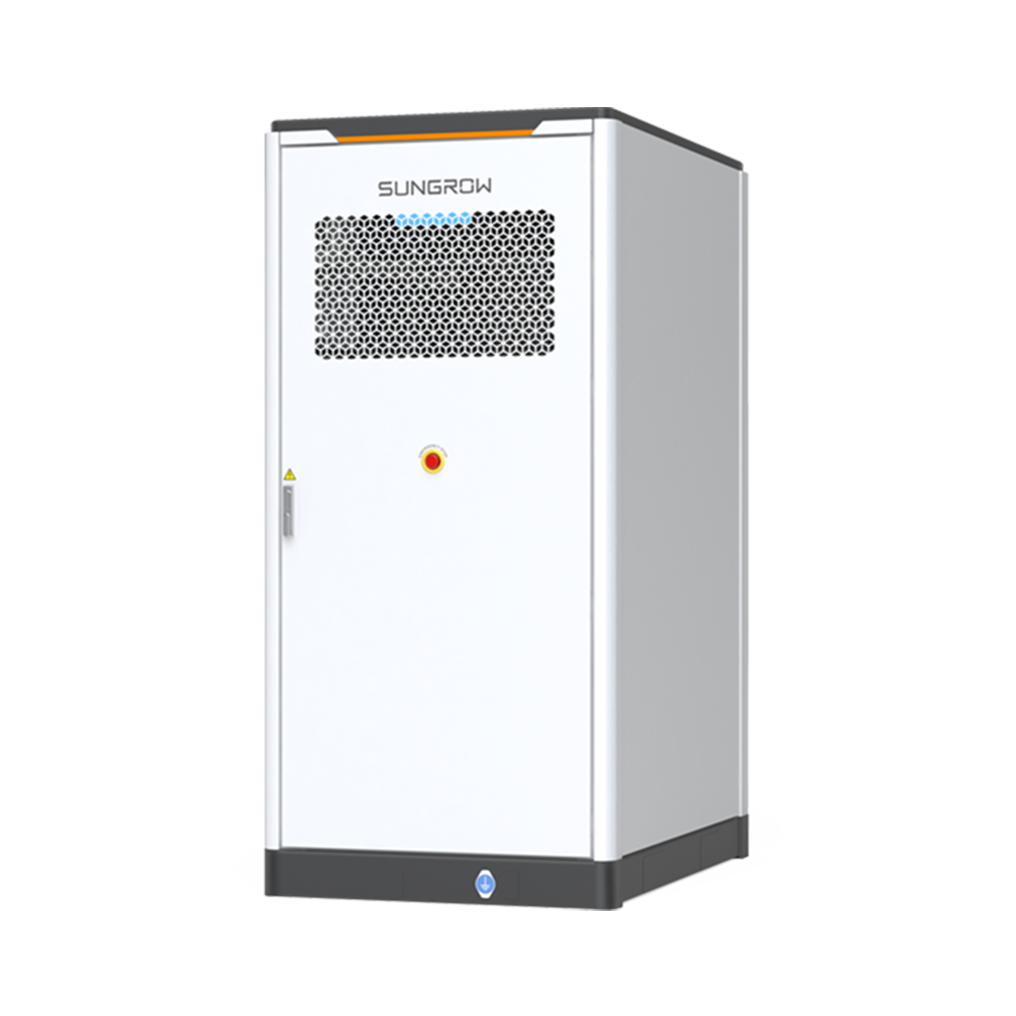
What’s Next?
When evaluating these options, consider operational metrics — capacity factor, round-trip efficiency of storage, and inverter clipping losses — not just headline kW numbers. I advise wholesale buyers to demand site-specific modeling (irradiance, shading scans), insist on PV module datasheet comparisons, and verify string inverter performance at expected operating temperatures. We also need to compare lifecycle O&M costs; cheaper upfront equipment often means higher downtime and service visits later. Note — not all inverters are equal. Interruptions happen; I will pause and say this plainly: measure, then buy.
To conclude with practical guidance, here are three evaluation metrics I use when advising clients: 1) real-site yield per kW (measured over three months of representative weather), 2) demand reduction per kW of installed storage (kW saved per kWh added), and 3) projected Levelized Cost of Energy under local tariff and net metering rules. Apply these consistently and you separate vendors who promise from vendors who deliver. I have deployed these checks for wholesale buyers in Moscow and Saint Petersburg since 2015 — they work. For further reference, explore contemporary implementations of commercial solar energy and compare vendor metrics carefully. — and remember: real data beats glossy sales decks, every time. sungrow