

Set the Scene: The Crowded Table, the Quiet Screen
Direct start: The longest line in many events is not at the stage—it’s at the printer. A paperless conference system should end that line, yet many teams still juggle USB sticks, last-minute edits, and stacks of agendas. Industry surveys show that document handling can eat up 15–30% of prep time and inflate costs by double digits. So why do meetings still feel so heavy—on paper, on people, on time (and on bandwidth)? What are we missing in the way we plan, share, and secure files across rooms and remote nodes? Let’s map the gaps and learn how to fix them, step by step, then look ahead to what’s coming next.
Where Traditional Tools Trip Up
What breaks first?
Older workflows trust email threads, shared drives, and late-night prints. A modern paperless meeting solution replaces all that with a live layer for agendas, drafts, and voting. But here’s the deeper flaw in the traditional stack: it was built for static files, not for dynamic sessions where content changes by the minute. When versions multiply, accuracy drops. When Wi‑Fi is patchy, updates stall. And when access rules are vague, compliance risk grows. Look, it’s simpler than you think: the right system handles secure sync at the edge, smooth viewing in-room, and clear roles. Under the hood, that means edge computing nodes for local caching, low-latency multicast for content fan-out, and role-based access control to keep who-sees-what precise. Without those, every “quick fix” adds new friction.
Then there’s power and reliability. Laptops sleep. Tablets die. Projectors blink. Legacy carts rarely include redundant power converters or clean failover. One unplugged hub can halt a vote—convenient, until it’s not. Traditional AV chains also ignore network realities: no QoS, no packet shaping, and no audit trail. That leads to slides that lag, votes that drift, and minutes that take hours to compile. Security is similar. Without single sign-on (SAML SSO) and strong access control lists, every share link is a stress test. The lesson: paperless is not “just go paperless.” It is architecture. It is live content governance. It is the difference between a calm session and chaos in slow motion.
From Pain Points to Principles
What’s Next
Now, shift the lens to how new systems are built. Today’s platforms apply clear technology principles: zero-trust access at the identity layer, edge caching to keep documents near the room, and resilient delivery paths for real-time sharing. With digital paperless conference equipment, content can stream using WebRTC for low-latency previews, while recorded assets route over SD‑WAN for stability. Devices join via zero-touch provisioning, and PoE reduces failure points (one cable, one job). These are not buzzwords; they are the safeguards that turn an agenda into a reliable experience—funny how that works, right?
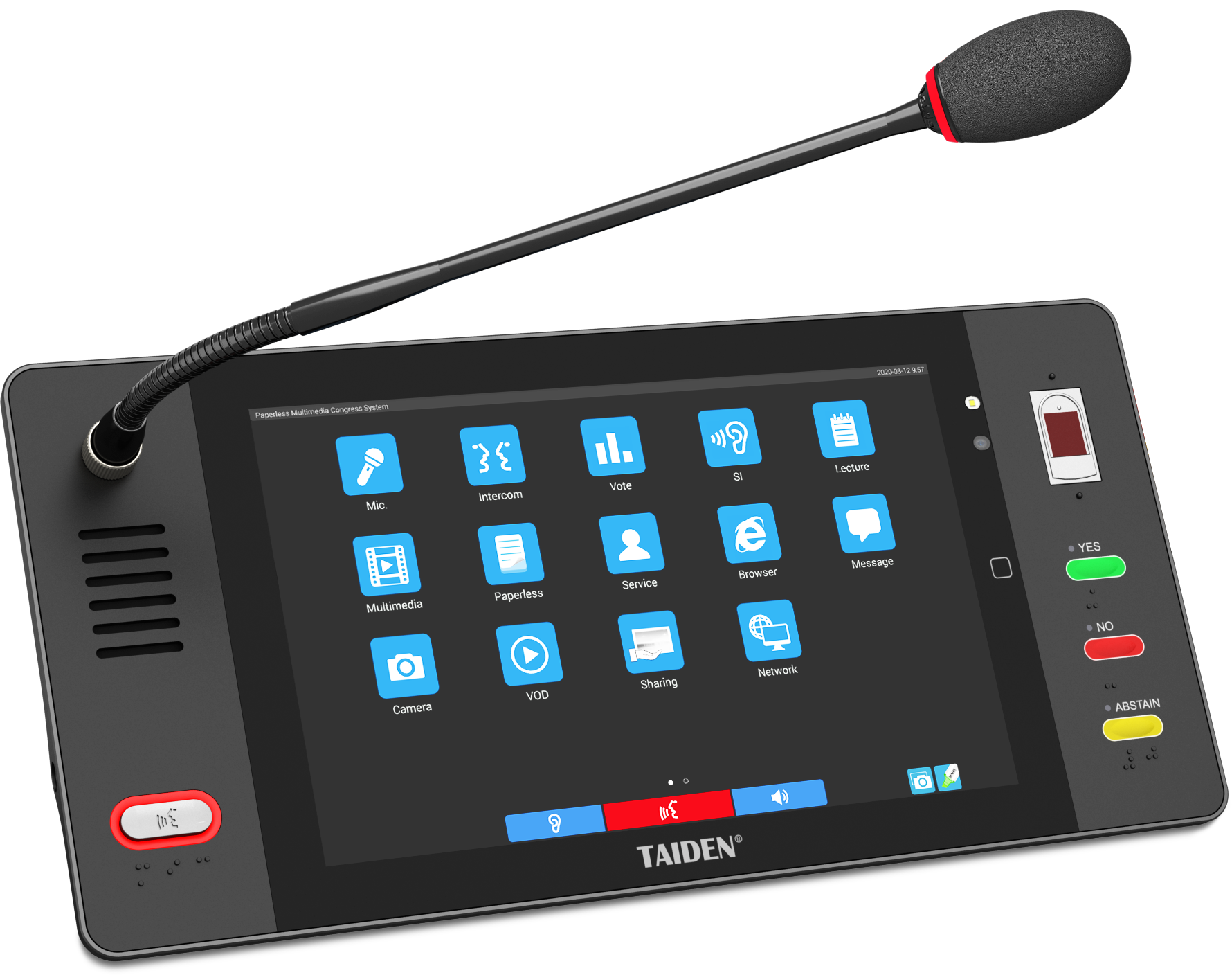
Compare that to the old way. Before, updates bounced through email hops; now, a presenter pushes a single authoritative version, and low-latency multicast fans it to each seat screen. Before, the floor mic fed one channel; now, smart mixers and edge encryption protect voice and votes together. Before, ops teams hunted bugs; now, observability dashboards flag jitter, drop rate, and CPU load in real time. The result is not just fewer prints. It is predictable flow, safe data, and quick recovery when something blips. And that is the real win—meetings that feel light because the system carries the weight.
How to Choose What Works
Let’s tie it together with three practical metrics you can test before you commit. 1) Live experience under stress: measure end-to-end latency (target sub-300 ms for document push and vote tally), packet loss tolerance on a congested VLAN, and recovery after a forced AP handoff. 2) Governance fit: verify role-based access control depth, audit log granularity down to user-event-item, and SAML SSO integration with your IdP; confirm least-privilege defaults. 3) Resilience by design: check for redundant power paths, offline-ready edge nodes, and clear MTTR with scripted failover. If a vendor can show these in a timed demo—under your network, with your content—you have more than features. You have proof. That is how organizers move from busywork to calm control, and how hybrid rooms stay steady through change. Learn the system, test the edges, and trust the numbers. TAIDEN