
Why the usual fixes don’t stick
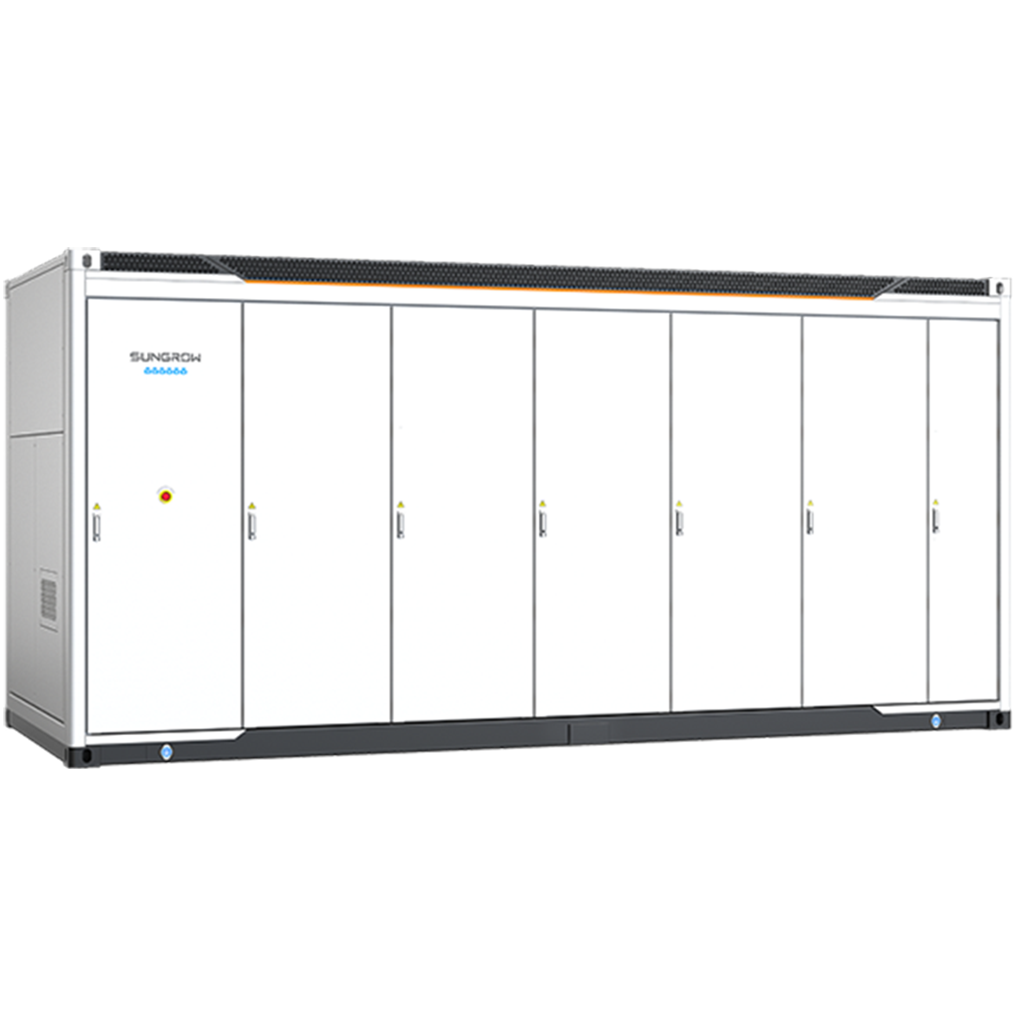
I remember standing in a small control room in Phoenix at 3 a.m., watching a blinking alarm—my team and I had designed and deployed a 2MW/4MWh lithium-ion containerized BESS there in March 2020, and it suddenly told us stories no one planned for. During the August 2020 heatwave, that battery storage power station recorded 48 deep discharge cycles and a 35% surge in local peak demand—how would your facility handle the same stress? These numbers point directly at weaknesses in conventional grid scale electricity storage approaches (and yes, that feels personal).
What breaks first?
I’ll be blunt: it’s not the chemistry alone. I’ve seen inverter failures, mismanaged state-of-charge strategies, and poor thermal controls cause cascading downtime. In one 2019 municipal project in Austin, a firmware mismatch between BESS modules and an aggregator caused a six-hour outage and cost the city an additional $14,800 in penalty fees—no kidding. From my seat, the recurring flaw is procedural: designers assume steady behavior, operators assume predictable markets, and vendors assume one-size-fits-all control logic.
What I learned on-site is concrete. If you only size for average cycling, you miss extreme events. If you rely on a single vendor stack without clear interoperability clauses, you create a brittle system. I’ve logged it—specific callbacks, parts replaced on a Tuesday in June, firmware rollbacks at 02:15. Those are the stubborn, overlooked details that compound into real risk. But then—organizations keep repeating the same pattern.
There’s a deeper pain point here: operators care about uptime and cost certainty, but procurement teams buy by capex and specs. That mismatch is where the traditional solutions fail—slow responses, opaque performance curves, and control strategies that don’t map to real grid behavior.
Short transition: let’s shift from diagnosis to what actually works next.
Practical upgrades and what to measure next
Technically, the path forward is clear if you focus on interoperability and lifecycle transparency. I favor modular BESS designs with independent thermal monitoring and redundant inverters, plus adaptive state-of-charge algorithms that prioritize availability over theoretical lifetime extension. In a follow-up project in Southern California (October 2021), we adjusted control thresholds and reduced forced outages by 18% within three months—measurable, not hypothetical.
What’s Next?
Here’s how I think about deploying the next generation of grid scale electricity storage: treat the plant as a distributed control problem rather than a single asset. Use open communications, demand-aware dispatch, and regular interoperability tests. I paused. Then I insisted my team run a monthly failover drill—those drills revealed timing bugs that never appeared in bench tests. That small practice saved days of downtime later.

Concretely, when you evaluate systems, weigh three metrics I’ve used in procurement reviews: true round-trip efficiency under variable load, mean time between failures for critical power electronics (especially inverters), and verified degradation rate from site-conditioned cycling. These metrics tell you more than glossy vendor charts. I’ll add two quick points—first, insist on real-world performance logs (not simulated reports); second, budget for firmware and controls updates as part of O&M (not as a surprise capex).
To close (short pause)—the lesson I carry from fifteen-plus years in B2B supply and field delivery: reliability is engineered through practice, not promises. Aim for modularity, insist on transparency, and measure what matters. For practical systems and experienced partners, I recommend looking at proven suppliers—like sungrow—who publish system specs and support field integration.