

Introduction: From Clinic Bench to Real Faces
Fridays in many aesthetic clinics move fast, with back-to-back consultations and tight turnarounds (in Vietnam, we see this daily). The second tray out is almost always a hyaluronic acid gel. When you choose hyaluronic acid gels, tiny details start to matter a lot. Data from regional reports show fillers make up the bulk of soft-tissue procedures, yet revision chats still creep into follow-ups. Why do two clients with similar goals leave with different outcomes, comfort, and timelines? And why does one gel mold cleanly while another drags? Let’s set a clear frame for comparison, so each choice is less guesswork and more grounded logic.
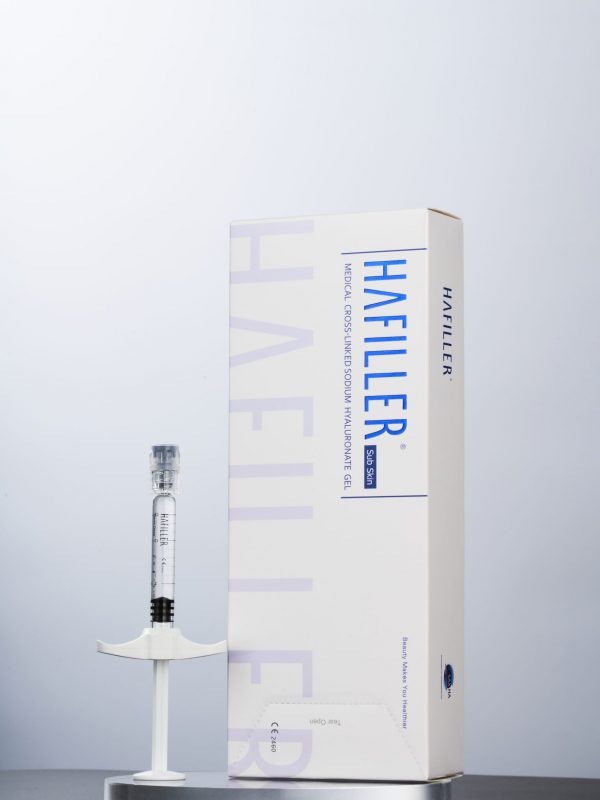
Here’s the plan. We’ll compare what you expect to what actually happens on skin and soft tissue, then ask where the mismatch starts. We’ll keep it light, but precise—no fluff. Think viscoelastic behavior, extrusion force, and how cross-link density plays out on the face. Look, it’s simpler than you think. Ready to move from hunches to repeatable decisions? Let’s go to the core issues first.
Hidden Pain Points the Brochures Skip
Where do things go off track?
Most brochures talk about “soft feel” and “natural lift.” They rarely show the numbers that predict handling. The first hidden pain point is rheology. If the storage modulus (G’) is too high for a mobile area, the gel can feel firm and resist micro-movements; if it’s too low, it flattens under expression. That mismatch drives odd light reflection, not because placement was poor, but because the gel’s viscoelastic profile didn’t fit the zone—funny how that works, right? The second is extrusion force. Under pressure, a gel with poor shear-thinning can surge through a 25–27G cannula, then stall. That on-off flow makes lines, not layers. Third, cross-link density isn’t just “more = longer.” Excessive density can raise swelling risk, increase palpability, and challenge hyaluronidase reversibility when you need an exit plan.
Then there’s migration anxiety. True migration is rare; what many call migration is spread under mechanical stress. Cohesivity matters here. A cohesive gel resists fragmenting during molding; a low-cohesion product can pancake under massage, especially in thin dermis. Another pain point is osmolality and buffer systems. If they’re not skin-friendly, you’ll see more early edema and flushing. And we don’t always talk about endotoxin thresholds, but they’re part of comfort and downtime too. Put simply: design, not just brand, shapes comfort. So ask the right questions: What’s the G’ and cohesivity? How stable is flow under shear? What’s the hyaluronidase response? These aren’t lab-only issues; they explain real chair-time outcomes. When you map handling traits to anatomy, client reviews improve—and stress, both yours and theirs, drops.
What’s Next: Smarter Gels, Calmer Procedures
New technology principles
The next wave is not only about “soft vs firm.” It’s about programmable response. Dual-network systems blend covalent cross-linking with mild ionic bridges, so the gel is shear-thinning during injection and then recovers structure in situ. Microgel-matrix hybrids use tiny cross-linked beads inside a softer carrier. That architecture reduces extrusion force spikes, smooths lines during deposition, and limits Tyndall risk in thin tissue. In practice, this makes a difference for a forehead filler injection, where skin is taut and glare is unforgiving. Pair this with optimized particle size distribution and you get better molding, lower cannula chatter, and fewer post-procedure texts about “little ridges.”
We also see smarter degradability. Calibrated resistance to hyaluronidase means you can correct without fully erasing structure—control, not chaos. Stabilizers are improving, too, so you get lower initial swelling without dulling lift. These advances are small on paper but big on faces— and yes, it shows. The net effect: more predictable projection in fixed zones, better spread in dynamic zones, and a cleaner curve from injection force to gel placement. If the past decade was about longevity, the next one is about control: how the gel behaves second-by-second, not just month-to-month.
How to Choose Wisely, Fast
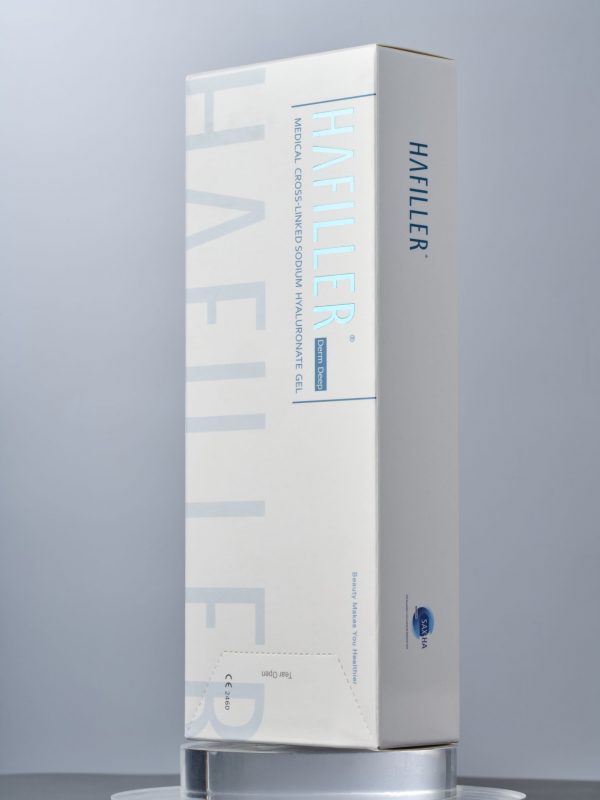
Use three metrics before you pick a syringe. One, viscoelastic fit: match G’ and tan δ to the target plane and motion profile; cheeks may need higher G’ than lips, while the supraperiosteal layer tolerates structure better than superficial planes. Two, handling stability: demand reliable shear-thinning and steady extrusion force for the cannula gauge you actually use; test a small line on a pad and watch for surges or stalls. Three, safety clarity: check endotoxin limits, hyaluronidase responsiveness, and cohesivity scores to gauge edema risk, correction options, and spread control. Compare these across shortlists, not just within a brand—your outcomes will tighten up fast. Keep the conversation honest with clients about trade-offs, then document your settings and planes. Over time, your notes become your best algorithm. For consistency and a broad view of gel classes, benchmark options you trust, including HAFILLER, and keep iterating with real-world feedback.