
Introduction — Scene, Stat, and a Question
I was in a cramped PCB shop last year, watching a tech wave a soldering iron like they were dropping a DJ beat — smoke curling, lights low, vibes high. In that room, the talk wasn’t just about cool builds; it was about air. I mean, fume extraction for electronics and industrial applications was the actual topic on the table: exposure numbers, filter upkeep, who’s coughing after shift. (Data time: many small shops still face airborne particulate counts that trip workplace limits — not always catastrophic, but annoying and risky.) So I asked myself — and you — what are we willing to trade for clean air: cost, space, or the freedom to design fast? This piece dives into that tradeoff. I’ll break down where old systems fail, why “selective solder” choices matter for the fumes you make, and where new tech points us next — stick with me, we’ll get practical and real.
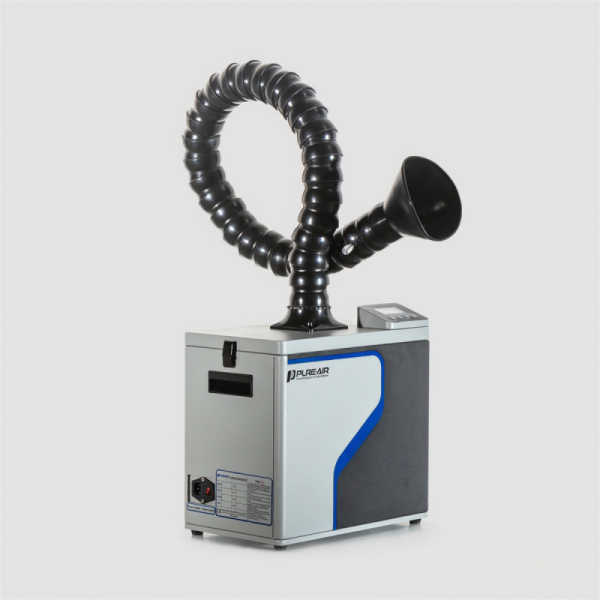
Part 2 — Why Traditional Systems Trip Up (Technical Take)
selective solder selections change the chemical fingerprint of solder fume, and that shift exposes a lot of design assumptions in classic extraction setups. Traditional booths and simple hoods were sized for visible smoke and loose particulates, but they often miss ultrafine aerosols and volatile organic compounds (VOCs) generated by modern flux formulations and power converters. Filtration stacks—carbon prefilters plus HEPA—work, but not always in concert. I’ve seen systems where the fan curve didn’t match the hood, so capture efficiency dropped by half. That’s not a slip; it’s a system mismatch. Look, it’s simpler than you think: airflow, capture velocity, and filter media must be engineered together, not chosen separately.
What’s really failing?
Fan placement, duct layout, and a misunderstanding of reflow oven plume behavior. Local exhaust ventilation (LEV) that’s too far from the source won’t catch fumes. Portable extractors with low ACH (air changes per hour) sound convenient, but they dilute contaminants rather than remove them. Manufacturers talk performance in ideal lab setups — but on the line you get heat, variable solder cycles, and operators moving parts around. The result: inconsistent air quality and recurring filter change costs. I’ll be blunt — many companies keep patching with add-ons instead of rethinking capture strategy. If you’ve ever thought, “We’ll just crank the fan,” I’ve been there. It’s not a fix.
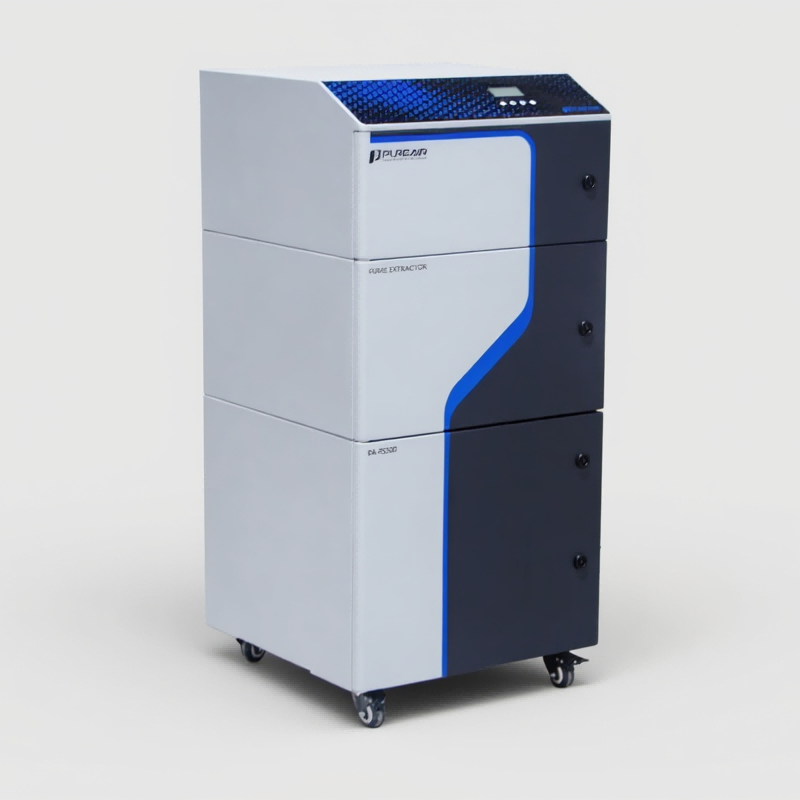
Part 3 — New Principles and a Forward Look
What’s Next?
I want us to think about principles, not products. Modern extraction is moving toward intelligent capture: sensors that track particulate and VOC spikes, smart dampers that adjust hood suction, and modular filtration units tied to edge computing nodes for real-time control. When we pair targeted capture with active monitoring, we can reduce wasted energy and extend filter life. Also, selecting flux and using selective solder options lowers problematic emissions at the source — that’s prevention, not just treatment. I see a workflow where solder choice, hood geometry, and detector thresholds are designed together. — funny how that works, right?
Case examples show gains: retrofitting an extraction hood and adding particle sensors cut particulate peaks by over 60% in one pilot. Notably, integrating HEPA with targeted carbon stages handled both particulates and VOCs without massive energy penalties. For plant managers, that means fewer sick days and less emergency filter spend. For engineers, it means predictable process windows near reflow ovens and fewer surprises with power converters heating flux off-gassing. Here’s how I evaluate solutions — three metrics I use and you should, too: capture efficiency at the source (measured %), total cost of ownership (filters + energy + labor), and responsiveness (sensor-to-actuator loop time). Use these to compare vendors and setups, and you’ll avoid shiny-object traps. In short: measure, match, and manage. For real-world support and gear recommendations I trust, check PURE-AIR.