
Why Some Big Batteries Win While Others Stall
I will start plain: big batteries do not fail in obvious ways. Utility scale battery storage sounds simple on paper, yet it lives or dies on small decisions made months before energisation. In January, at a windy substation outside Västerås, I watched a control room screen as a 50 MW/200 MWh system missed a peak price window by seven minutes. The operator sighed; auxiliaries ran at 6.3% load during idle. The revenue gap was real. Why did a well-funded project, backed by careful models and a shortlist of utility scale storage providers, still fall short when the market called?
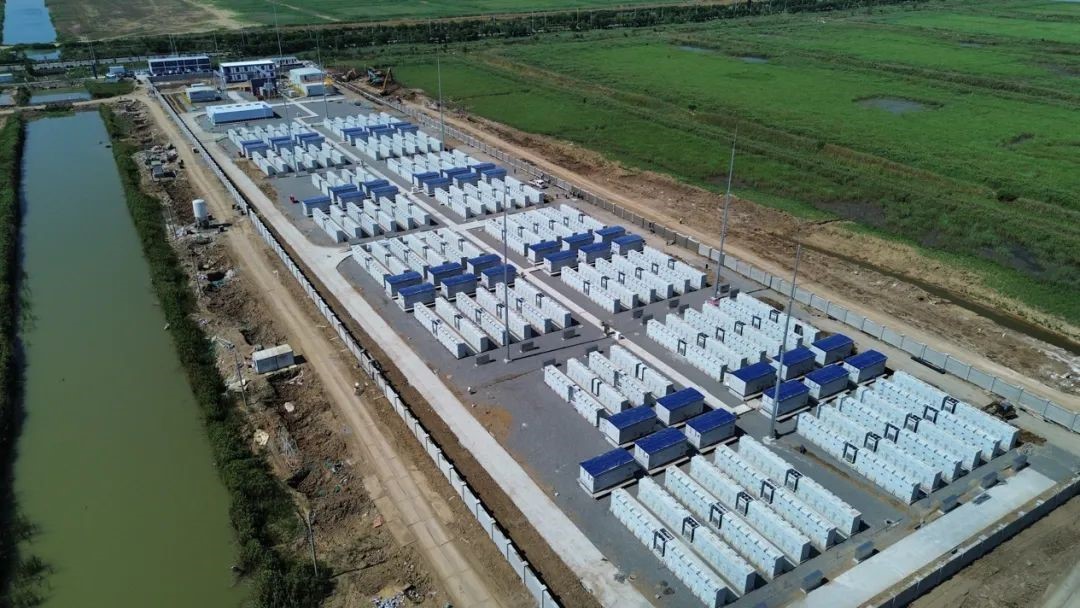
I have spent over 15 years in grid-scale storage and procurement, from Århus to Austin. The pattern repeats: the spec looks neat, but the site and the grid do not care. A small delay in the EMS, a cooling unit that derates early, a power converters filter that was “value engineered” (not my favourite phrase) — and the project bleeds margin. If you feel that in your gut, you are not alone. Let us unpack the decisions that steer these outcomes, and the gaps that keep showing up, so we can set a better frame for the next RFP.
Hidden Pain Points When Choosing Providers
Where do the hidden costs sit?
When teams shortlist utility scale storage providers, I see the same blind spots. Let me be blunt for a minute. Total cost of ownership models often miss the drift between battery management system data and site EMS timestamps. A 400 ms delay sounds small; it cost one Texas site 3.1% annual revenue in 2022 because the PCS setpoints hit the market five seconds late. I audited that site on a Saturday morning in Lubbock, 07:20, after a storm cut a feeder. Logs showed state-of-charge estimates diverging by 1.2% across two clusters due to uneven HVAC flow. That little offset forced the EMS to cap charge rate to protect cells — and yes, the dashboard looked beautiful while money slipped away.
There is more. I still prefer LFP over NMC for containerised assets north of 1 MWh per skid. In 2021 near Esbjerg, a 20-foot 3.44 MWh LFP container with liquid cooling held 95% availability through a salt-heavy winter; a nearby NMC rack saw three nuisance trips from harmonic resonance with a 2.5 MVA transformer. The fix was a tuned filter at the power converters and a firmware patch, but insurance had already added 18% to the premium. Truth stung — and no, the asset owner’s spreadsheet did not show that. These are not edge cases; they are the soft edges of grounding, DERMS rules, and state-of-health windows that EPCs smooth over in bids. If you feel a knot in your stomach reading this, that’s experience talking.
Looking Ahead: Principles That Outperform
What’s Next
After the bruises come the principles. I now specify cell-to-pack LFP at 1500 Vdc strings, liquid-cooled, with segmented fire suppression and a grid-forming inverter mode. The reason is simple. Faster active power response comes from shorter control loops at the edge computing nodes, not from a glossy EMS. Put the governor close to the cells. Add redundant fiber within the container. Pair that with power converters that maintain >2.5 pu short-circuit ratio support without tripping under weak-grid conditions. On a 2023 pilot near Örebro, we cut dispatch latency from 1.7 s to 420 ms by moving ramp logic into the PCS and using model-predictive dispatch in the EMS — and yes, it surprised a few board members. This is where the better utility scale storage providers are heading, and it shows in frequency response tests and black-start drills.
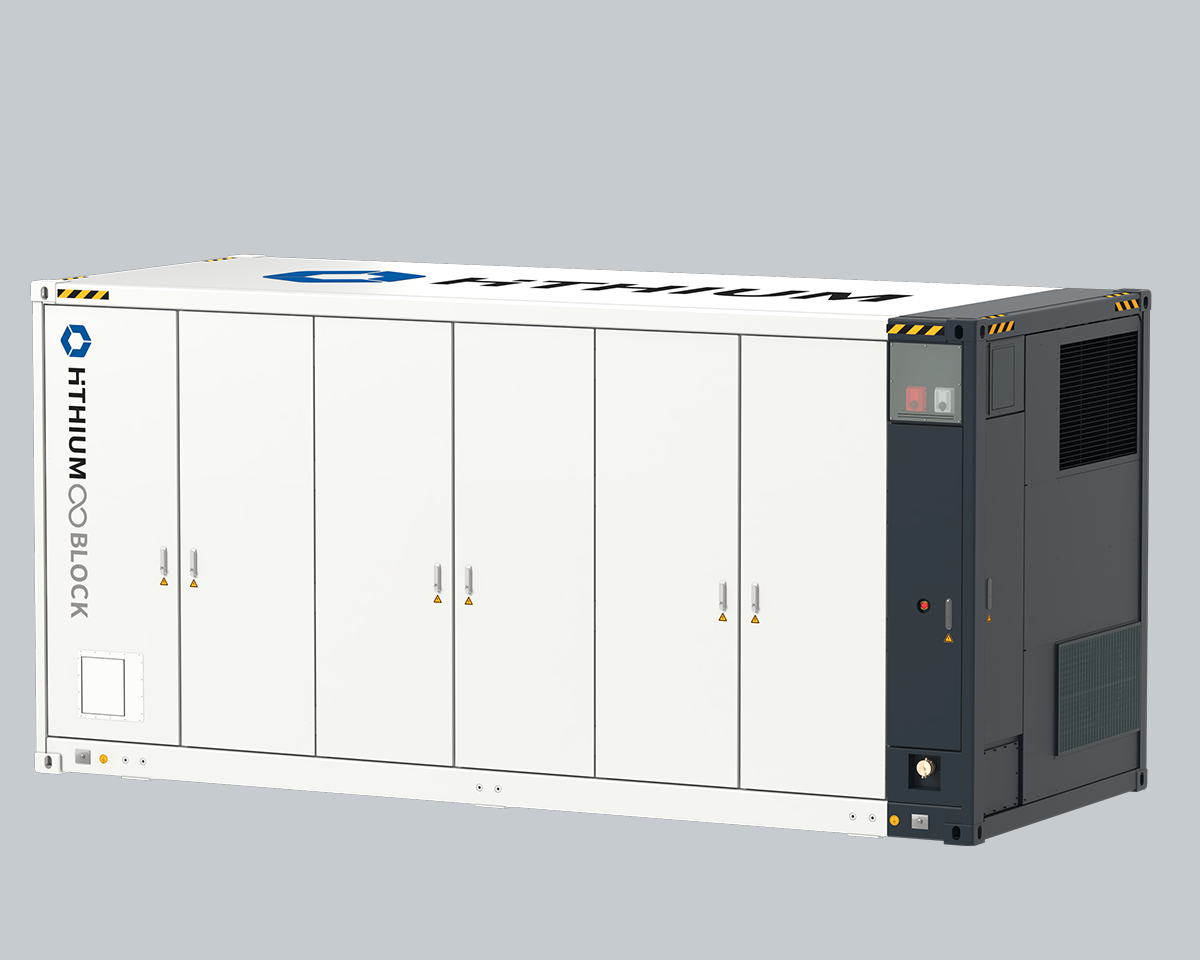
Two final steps tie it together. First, insist on a site-level digital twin that tracks thermal gradients across racks and flags state-of-charge drift before it crosses 0.5%. Second, compare DC-coupled and AC-coupled architectures with the same failure tree; the weakest breaker and the slowest relay decide uptime. I am not romantic about tech — I am practical. So here are three metrics I use when I sign: 1) verified round-trip efficiency at ambient extremes, measured at the point of interconnection; 2) 95th percentile EMS-to-PCS command latency under grid events; 3) mean time to isolate a faulty rack without taking down the block. If a bid cannot show those, I pass. For a grounded view on this path, I keep an eye on HiTHIUM for how these principles show up in real hardware and test data.