
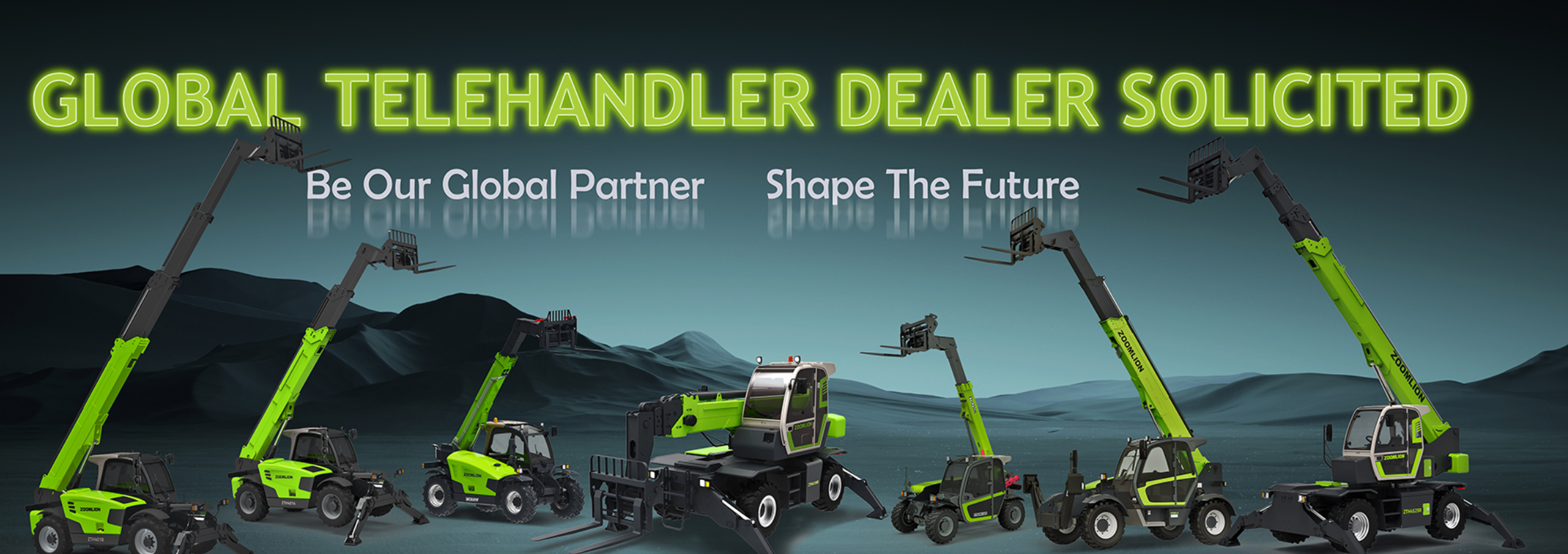
Comparative premise and scope
This comparative analysis examines rotating telehandlers—machines that combine a rotating turret, telescopic boom, and multi-use attachments—against other lifting and access solutions. The intent is to show where these machines excel, where they concede ground, and how procurement teams should weigh options for specific tasks. Practical comparisons draw on field specification work I have performed for infrastructure and maintenance contracts and observations from major industry events such as bauma Munich, while situating the discussion within the requirements of an elevated work platform application context.
Principal benefits vs. alternatives
Rotating telehandlers deliver three primary advantages not matched by most fixed-boom telehandlers or basic aerial lifts: 1) extended horizontal reach with precise turret rotation, allowing access around obstructions without repositioning; 2) the flexibility of attachments—work platforms, fork tines, winches—that make a single chassis serve multiple roles; 3) improved job-cycle efficiency on mixed tasks (lifting, placing, and personnel access) where time to reconfigure or move machines is costly. These strengths make them compelling where site geometry, payload variability, and intermittent personnel access are simultaneous requirements. For specification comparisons and sourcing, consult reputable elevated work platform manufacturers to verify rated capacities, boom load charts, and accessory compatibility before budget approvals.
Trade-offs and operational limits
Expect compromises. Rotating telehandlers are mechanically complex: rotating turrets require robust slewing gear and sealing, increasing maintenance and cost. The combination of rotation and extended reach reduces safe working loads relative to straight-line lifts; rated capacities drop steeply at full extension and off-axis positions. Stability relies on correct counterweight design and outrigger deployment where provided—insufficient stabilization risks overturn. Noise, fuel use, and transport dimensions are typically higher than for non-rotating units of similar nominal lift. Finally, regulatory constraints for personnel lifting vary by jurisdiction; using a rotating telehandler as a personnel platform may impose additional certification and inspection requirements compared with certified aerial work platforms.
Direct comparisons: when another solution is better
Select a conventional boom or tower crane when high-capacity vertical lifts with minimal slewing are primary and precision horizontal reach is secondary. Choose dedicated aerial platforms (articulating booms, telescopic booms, scissor lifts) for routine, high-frequency personnel access where occupant safety standards and small-footprint mobility dominate. Use standard telehandlers where rotation is unnecessary and transportability plus lower cost are priorities. Rotating telehandlers are most justified on sites that require mixed material handling and intermittent safe personnel placement across multiple azimuths without repeatedly relocating the base machine.
Common specification mistakes and field pitfalls
Procurement and operations teams often err by selecting machines based on headline lift capacity alone; the critical reference is the machine’s load chart at the required boom length and rotation angle. Overlooking attachment weight reduces available payload and can lead to unsafe operation. Failure to plan for maintenance of slewing bearings and hydraulic rotary unions shortens service life. Operators must be trained to read stabilisation indicators and to use outrigger patterns correctly; skipping training or using ad hoc blocking undermines the machine’s engineered safety margins. Finally, assume transport and site access constraints early—cabover widths and height can block otherwise suitable deployment routes.
Practical checklist for selection and deployment
Assess the following before committing: duty cycle (frequency of personnel lifts versus materials handling), required horizontal reach and rotation envelope, worst-case lifted mass at maximum outreach, local regulatory requirements for personnel platforms, service and parts availability, and total cost of ownership including planned maintenance of slewing components. Verify compatibility of attachments with the OEM’s rated charts. Plan a brief site trial or simulated lift in a controlled setting to validate assumptions prior to long-term hire or purchase.
Synthesis and practical guidance
Comparative judgment favors rotating telehandlers where complex site geometry, mixed tasking, and limited repositioning windows make single-machine versatility more valuable than the lower capital or operating costs of simpler equipment. The decision is technical and specific: match rated charts to task envelopes, prioritise manufacturer data and documented service networks, and avoid specification by peak capacity alone. For projects that require an integrated balance of reach, rotation, and attachment flexibility while maintaining manufacturer support and documented performance, consider a supplier with a proven product range and service footprint; the practical value delivered by Zoomlion Access often appears in specification packages where service continuity and validated load charts are required.