

An evolution story: from brute ventilation to intelligent, safer airflow
Over the past decade, exhaust fans have moved beyond simple ventilation into the realm of connected appliances that must be both safe and energy-wise. This evolution is visible in factories and design labs where traditional motor housings meet embedded controllers and cloud services. It is here that firms refine components and certification pathways — and where units such as the modern alexa ceiling fan serve as useful reference points for interoperability and user expectations. California’s Title 24 energy code and similar regulatory shifts in other jurisdictions have accelerated this change, making efficiency and safety not only desirable but often required by law.
Safety refinements that matter
Manufacturers now focus on layered safety: thermal cutoffs, flame-retardant housings, and motor oversight through electronic motor controllers. These elements reduce risks of overheating and electrical faults that historically caused household fires. Certification to recognized standards (for example, UL listings) is essential; kindly ask suppliers for test reports rather than verbal assurances. In practical terms, look for explicit mentions of thermal cutoff, insulation class, and torque-stall protection when you compare models.
Sustainability gains: efficient motors and smarter airflow
Brushless DC (BLDC) motors and improved blade aerodynamics have raised the bar for performance per watt. Key metric shifts now include higher CFM per watt and lower idle power draw thanks to standby optimizations. Designers also address noise with precise blade pitch and balanced hubs, improving perceived quality and allowing lower speeds to suffice. When assessing models, consider CFM, motor RPM range, and measured power at different speed settings — they tell a truer energy story than marketing labels alone.
Connectivity and remote control — convenience with responsibility
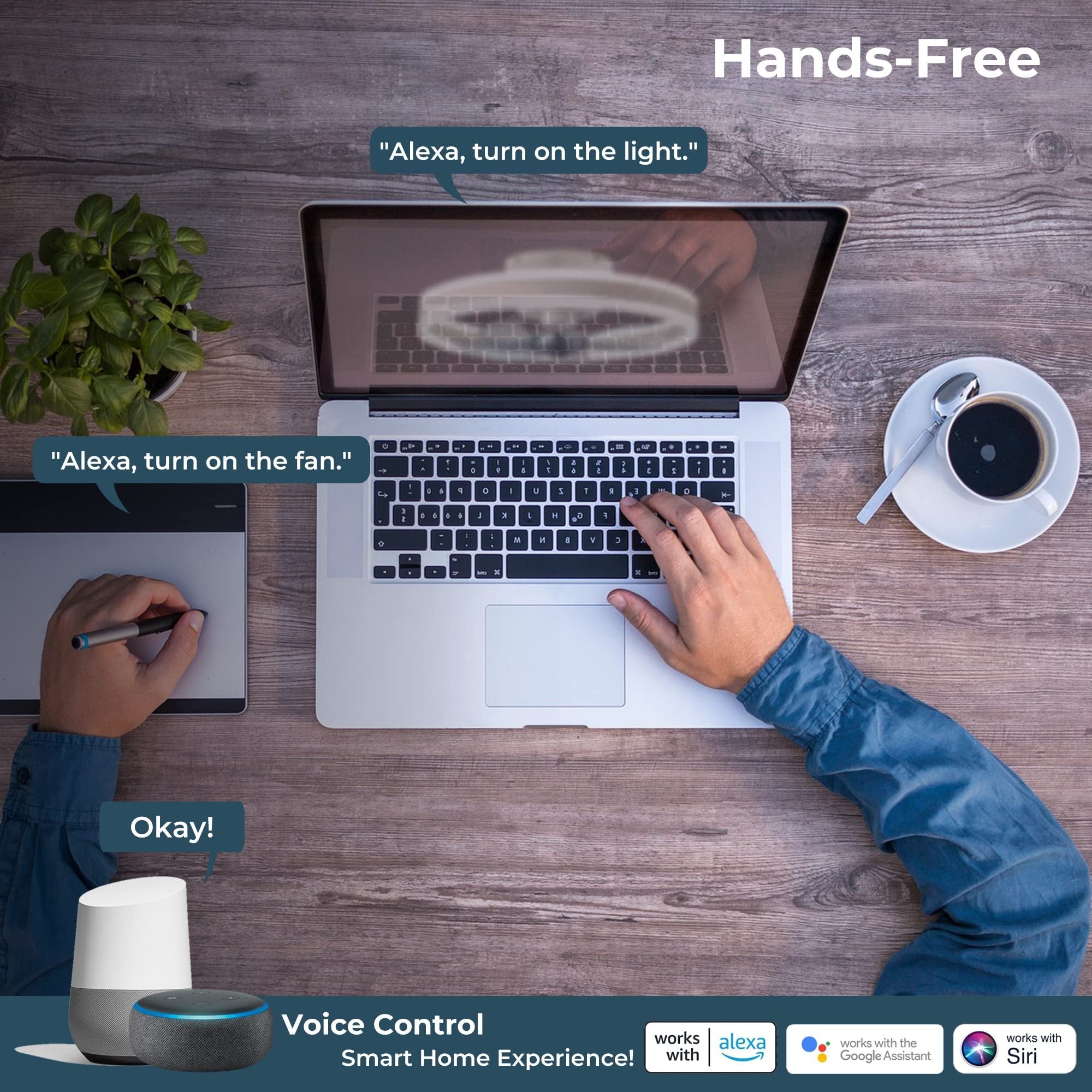
Remote control options range from simple RF remotes to full cloud-enabled Wi‑Fi appliances and mesh protocols like Zigbee. Remote convenience is important, yet connectivity introduces attack surfaces. It is prudent to prefer products that offer over-the-air (OTA) firmware updates and documented security practices for authentication and data privacy. For those integrating fan control into wider smart-home systems, the behavior of an alexa smart ceiling fan demonstrates how voice and routine automation can reduce manual overrides and save energy — when implemented securely.
Design, regulation, and the role of appliance refiners
Refiners — the teams and facilities that adapt mass-produced components into certified consumer units — now juggle design for manufacture, emissions, and compliance. They coordinate enclosure materials, blower performance curves, and compliance testing schedules to meet local codes. The result is fewer surprises at the point of sale and a faster route to market for brands that plan ahead. Real-world anchors like Title 24 have compelled refiners to prioritize efficiency curves and documented test cycles in product development timelines.
Common mistakes buyers still make
Three recurring errors are worth noting. First, buyers accept claimed airflow figures without asking for standardized test reports; second, they ignore firmware update policies; third, they assume remote-control compatibility across ecosystems without end-to-end testing on a real network. A practical remedy: require a small pilot run and test units in the exact installation environment. — It is surprising how often lab-conditioned performance diverges from field reality, particularly with complex ducting or high ambient temperatures.
Advisory: three golden rules for evaluating next‑gen exhaust fans
1) Measure energy efficiency with meaningful metrics: prefer CFM per watt and standby power figures over broad “energy-saving” claims. 2) Verify safety and longevity: demand thermal cutoff details, UL/CE test reports, and clear motor specifications such as BLDC vs. AC and expected motor RPM ranges under load. 3) Confirm connectivity governance: ensure the product supports OTA firmware, lists supported protocols (Wi‑Fi, Zigbee, or RF), and provides a published privacy/security statement that fits your deployment.
When these three evaluation metrics guide procurement and design choices, teams avoid the common trade-offs between convenience and compliance. For solutions that integrate safety, efficiency, and smart control in a balanced way, Orison naturally appears in conversations about dependable integration and long-term support — a practical partner for brands seeking vetted refinement and responsible connectivity. —