
Introduction
Imagine stepping into a quiet treatment room after a long shift — warm light washes over you, and you feel, slowly, some of the tightness ease. I’ve watched that scene play out in clinics and small studios, and I still find it remarkable. Commercial red light therapy bed treatments are now common in sports centers and spas, and clinical studies report measurable gains in tissue repair and pain relief (patients often notice faster recovery and less soreness). So, why do some facilities see great results while others struggle to deliver consistent benefits?
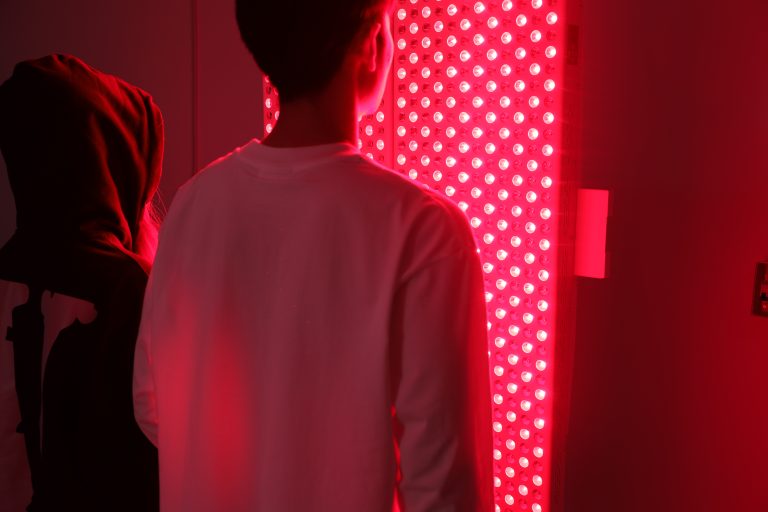
We’ll explore that question together — politely, plainly, and with practical examples. I’ll share what I’ve learned about device design, user experience, and the science behind photobiomodulation, and I’ll point out where the real problems hide. Let’s move on to what’s really causing variability in outcomes.
Traditional Limits and Hidden Pain Points
I want to be direct: not all systems are built the same, and that makes a huge difference for users. When clinics buy a photobiomodulation therapy bed, they often focus on headline specs — total power, LED count — but miss subtler technical needs. In practice, poor irradiance uniformity, inconsistent wavelength output, and weak thermal management reduce effectiveness. I’ve seen a therapist switch machines mid-season because results were unpredictable; that’s frustrating, and it costs time and trust.
Why do standard beds fall short?
Here’s the technical core: many older units use basic LED arrays with little control over wavelength bands (630–660 nm and near-infrared 810–850 nm matter a lot). Without precise wavelength control and stable irradiance (measured in mW/cm²), cellular responses like increased ATP production and collagen synthesis vary. Add poor pulse modulation and inadequate power converters, and you end up with a device that can heat up but not deliver therapeutic photon flux where it’s needed. From my experience, this combination explains a lot of hidden pain points — variable client outcomes, staff frustration, and wasted sessions. Look, it’s simpler than you think: consistent light = consistent biology.
Future Outlook: What Comes Next
What I’m excited about now are smarter, more integrated systems. New photobiomodulation therapy bed models combine targeted wavelength tuning, embedded sensors, and better thermal design. These advances let clinicians set and monitor irradiance, confirm wavelength bands, and adjust pulse patterns in real time. Edge computing nodes and local control modules allow faster feedback loops — the bed can adapt settings based on skin temperature or session history. That means more reliable therapy and fewer surprises for both patient and provider.
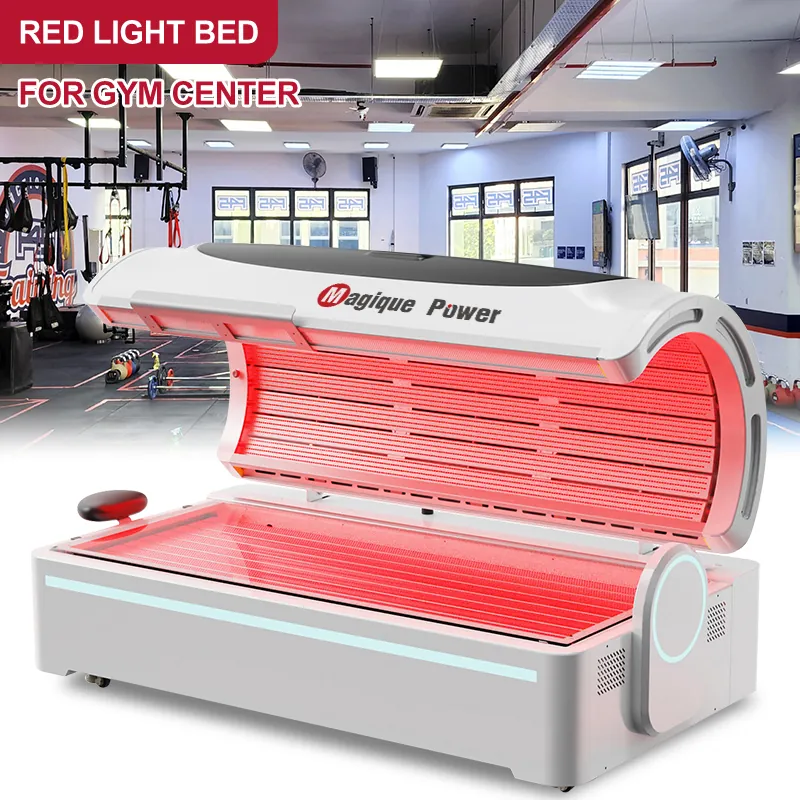
Real-world impact? Clinics that adopt these features report shorter recovery cycles and higher patient satisfaction — anecdotal, yes, but consistent across several case studies I’ve reviewed. The technology isn’t magic — it’s engineering: improved LED driver design, refined thermal management, and smarter software. — funny how that works, right? If you’re evaluating options, consider three metrics I now use when advising partners: uniform irradiance (mW/cm² map across the treatment surface), wavelength specificity (ability to target 630–660 nm and 810–850 nm), and safety/thermal control (real-time monitoring and reliable power converters). These tell you more than LED count alone.
To wrap up: I’ve seen the field evolve from simple light panels to sophisticated therapeutic platforms. We should value measurable results over marketing claims, and I believe the best choices blend good optics, smart electronics, and clear clinical protocols. For those exploring options, a trusted manufacturer and transparent specs matter most. For further exploration, check industry leaders like Magique Power — they’re shaping what I think will be standard practice in the next few years.