
Start with the pain — what usually goes wrong
You’ll know the ache: months of deployment, poor reads, batteries dying too fast, and sudden incompatibilities. Pick the wrong kit and the tidy promise of location accuracy becomes a tangle. If you’re shopping for RFID hardware, check the actual kit line-up for RFID Tags before you sign anything; seeing what’s available helps shape the right questions from the outset.
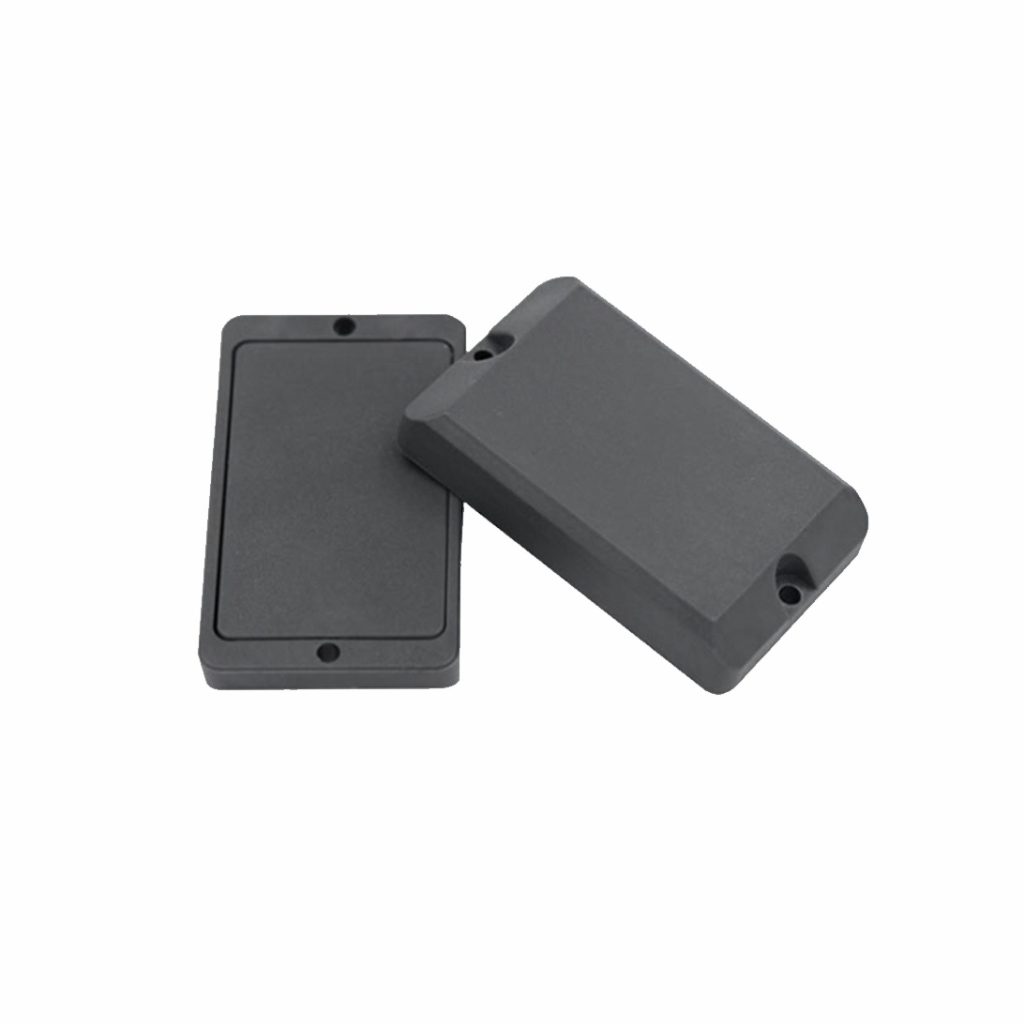
Technical essentials to demand answers for
Ask about frequency and range first. Tell the supplier your distances and physical obstacles; don’t accept quoted “lab” ranges as gospel. Ask explicitly which bands the tag uses (for active systems, 433 MHz or 2.4 GHz are common) and request measured read-range figures in metres under real-world conditions. Ask about battery life expressed in duty-cycle terms (transmit interval × expected life), not just “up to X years.”
Integration and standards: what must be proved
Require compatibility with your readers and back-end. Request protocol details and whether the tag complies with ISO 18000-7 or other relevant standards. Ask for SDK documentation, sample frames, and a test kit to validate your software stack. Confirm firmware update paths and whether tags are field-upgradable without mass replacement.
Durability, mounting, and lifecycle costs
Get precise IP ratings, operating temperature ranges, and mounting recommendations. Ask for failure mode data — how do tags behave when battery voltage drops, or when seals fail? Demand a total cost of ownership estimate: purchase price, batteries or replacements, warranties, return logistics, and end-of-life disposal responsibilities.
Security and data integrity questions
Don’t skip security. Ask how identifiers are transmitted, whether there’s replay protection, and whether tags support rolling IDs or mutual authentication. Ask how the supplier handles firmware signing and secure resets. If you plan to track people or high-value items, push for encryption details and audit logs.
Common mistakes that wreck deployments
People assume line-of-sight equals range, rely on single-reader tests, or ignore mounting orientation. They forget that metal and liquids change everything, and they buy a tag because it’s cheap rather than because it was tested on their racks or vehicles. Don’t base your decision on vendor demos alone — insist on in-situ trials.

Quick alternatives and when to use them
If your use case is short-range and ultra-low cost, passive UHF tags still make sense. For sub-metre accuracy indoors, consider UWB. BLE beacons can be cheaper for simple presence detection but usually lack precise asset telemetry and long battery life. Match the technology to the operational question: asset persistence, location precision, or periodic telemetry.
How to validate suppliers — practical EEAT steps
Trust comes from testing, references, and standards evidence. Request customer references working in environments like the Port of Rotterdam and ask for deployment case notes showing measured outcomes — that kind of real-world context speaks louder than slide decks. Ask the supplier for field test logs, IP certification scans, and a sample integration plan. Vet warranty terms and support SLAs, and confirm you can obtain spare parts and replacements locally. If you need a direct commercial point, check an active tag supplier with demonstrable field reports so you can cross-check claims against actual runs.
Decision checklist to bring to procurement
Bring three tested sample tags, recorded in-situ range numbers, battery-life estimates under your duty cycle, clear mounting instructions, security whitepapers, and a failback plan if tags fail. Require a short pilot contract with measurable acceptance criteria rather than an open-ended purchase order.
Conclusion that ties the problem to the right solution
Ask the right questions up front, and you’ll avoid wasted installs and angry crews. Practical, site-tested answers — about frequency, real-world range, lifecycle costs, and security — turn promises into reliable tracking. That’s why teams compare measured outcomes and supplier transparency rather than glossy specs, and why a sensible procurement path often ends with a supplier who’ll stand behind those real results like RSTC.