
Introduction
Have you ever smelled solder smoke down the hall and wondered who will clean the air today? In many plants I visit, that small, persistent odor is a signal of bigger problems—poor capture, lost product time, and worker discomfort. Fume extraction for electronics and industrial applications appears in every safety checklist I read; yet data shows local exhaust systems still fail about 30–40% of routine audits (yes, real audits). So where do we start fixing this, and how do we choose the right tech for our floor?
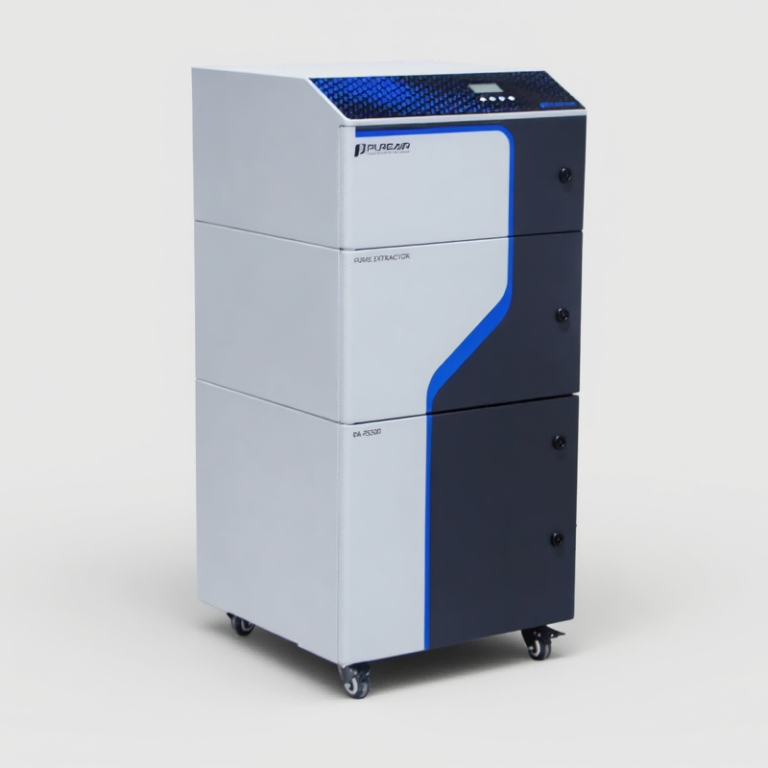
I write this as someone who has walked through assembly lines and watched operators shield their faces with hands—sigh. The scene is familiar in Malaysia and beyond: technicians at reflow ovens, workers at wave soldering benches, and PCBA stations with visible plumes. We need clarity, not just specs. I’ll share clear comparisons and practical tips, lah—short, plain, and useful—and then move into what actually works on the shop floor. Next, I’ll dig into why common solutions miss the mark.
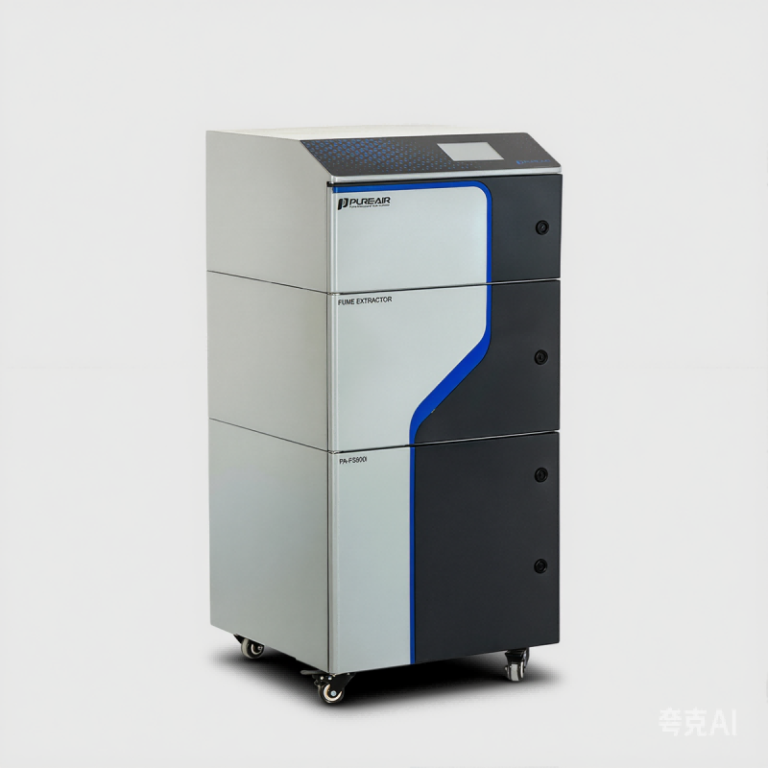
Part 2 — Why Traditional Solutions Fail (Technical Look)
When I say traditional, I mean the classic room ventilation plus a single central scrubber. For many in computer and electronic product manufacturing, that setup looked fine on paper. But in practice, the capture velocity at the soldering station drops with distance, airflow patterns swirl around machines, and contaminants—like soldering fumes and volatile organic compounds—escape before reaching filters. The result: uneven air quality and hotspots where workers still get exposure. I’ve tested extraction arms with poor placement; their effective capture zone was far smaller than advertised.
There are several recurring technical flaws. First, undersized ductwork kills airflow and reduces filtration efficiency. Second, filters (HEPA, activated carbon) are chosen by cost, not by contaminant profile, so operators end up with clogged media and higher maintenance costs. Third, control systems ignore transient peaks—like during solder paste rework or power converter testing—so the system lags. Look, it’s simpler than you think: place capture points near source, size fans correctly, and match filter media to the chemistry. — funny how that works, right?
What about worker behavior—does it matter?
Yes. Operator habits interact with machine layout and system design. If the hood is hard to reach or noisy (edge computing nodes and local controls misaligned), people will bypass it. Training helps, but design that fits the workflow is non-negotiable. I’ve seen small changes—shorter extraction arms, angled hoods—cut exposures significantly. We should treat human factors as part of the engineering solution.
Part 3 — New Principles and Future Outlook (Semi-formal, Forward-Looking)
Moving forward, we must adopt smarter principles. I advocate for decentralized capture: multiple dedicated extraction points near ovens, reflow lines, and test stations, each with matched filters and variable-speed fans. This reduces duct losses and improves filtration performance. For computer and electronic product manufacturing, that means pairing HEPA for particulates and activated carbon for organics, plus monitoring sensors for real-time airflow and VOC levels. Sensors feed simple dashboards. Operators see results, maintenance teams react early. It’s efficient and practical.
Technologies like compact sensors and smarter controls are affordable now. We can run predictive maintenance on filters, log exposure trends, and scale extraction with production needs. I believe hybrid approaches—local capture plus background ventilation—work best. The data supports it: targeted extraction reduces contaminant load by a notable margin versus whole-room ventilation alone. — and yes, implementation needs planning, budget, and champions on the floor. Still, the payoff comes in worker health, fewer product defects, and lower long-term costs.
Real-world Impact?
In one pilot I helped with, we swapped a single central scrubber for four matched hoods with sensors. Within weeks, measured airborne particulate counts fell by half, rework dropped, and operators reported less eye irritation. That’s the kind of measurable outcome I aim for. My suggestion: evaluate systems by three metrics—capture efficiency at source, filtration match to contaminants, and ease of integration into workflows. If you check those, you will avoid many hidden costs.
We’ve covered common failures and a path forward. I’ve used plain examples and real tests, because I want you to act, not just read. If you need a practical partner to pilot changes on your line, consider learning more from expert providers who focus on electronics fume extraction. For trusted solutions and product details, visit PURE-AIR.