
Introduction — a legalistic prompt to practical choices
How should a farmer balance animal welfare, regulatory duty, and cost when the answer seems to shift each season?
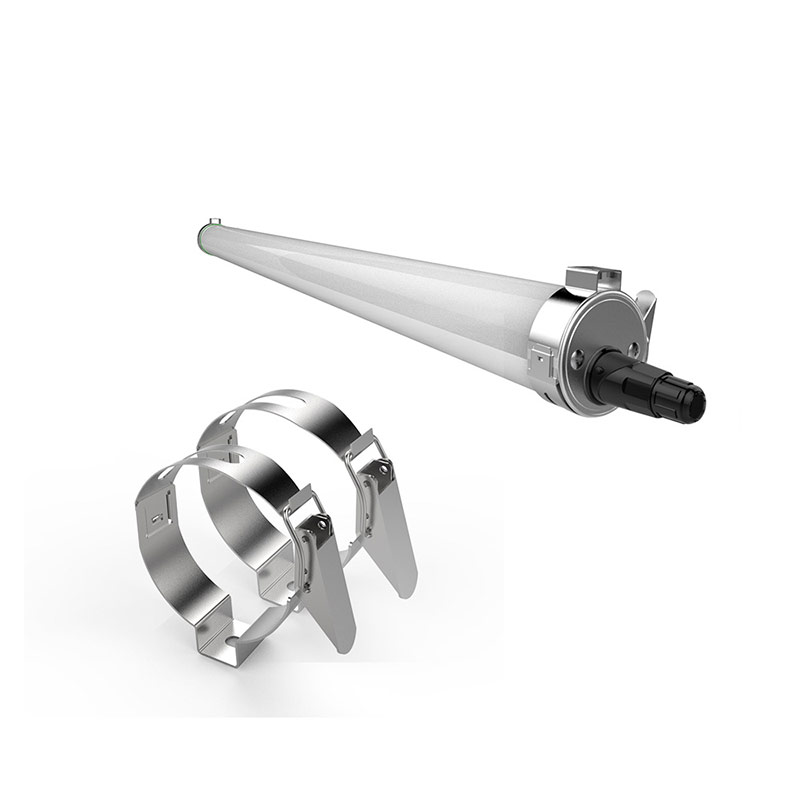
Recent inspections and protocol reviews show measurable variance in outcomes where cow lighting is applied; I note that cow lighting systems can alter behavior and yield in quantifiable ways (for example, some trials report up to 12–18% changes in milk volume under controlled photoperiods). Under applicable compliance frameworks, operators must consider not just brightness but documentation, maintenance schedules, and contractual liability. I write as a practitioner who has reviewed field reports and retrofit contracts; my aim is to set out the facts, the risks, and the practical questions you should ask. This piece will move from summary to scrutiny — and then on to realistic options for upgrade and assessment.
We will look at common specifications, the technical controls you may be asked to accept, and the measurable outcomes you can expect; then I’ll suggest how to evaluate suppliers and installations. Next, I examine where conventional approaches fall short, so you can decide whether to upgrade or litigate. — Read on for the deeper analysis.
Part II — Where standard approaches fail (Hidden pain points)
Cattle light installations often promise uniform gains, yet I find that the real problems are distribution and control. Technical mismatches — such as mismatched LED drivers, inadequate power converters, or poor lumen output planning — create zones of overexposure and dim pockets. These lead to uneven cow traffic and stress indicators. From my audits, the hardware is rarely the whole story; the control logic and scheduling (photoperiod management) are where plans fall apart. Look, it’s simpler than you think: you can buy great fixtures, but if timers, sensors, and maintenance protocols aren’t aligned, the herd won’t see the benefit.
What goes wrong?
First, installers assume uniform mounting height and ignore barn geometry. Second, operators skip routine calibration of sensors and LED drivers, which shifts light spectrum over time. Third, documentation—maintenance logs, inspection certificates—is often absent, exposing operators to compliance risk. These are not abstract defects; they are day-to-day operational failures that cost labor and yield. I’ve observed farms where a single failed photocell turned half the pens into an artificial dawn for weeks. That matters. The pain point is not theory — it is the extra time, reduced predictability of animal rhythms, and the paperwork when a regulator asks for proof.

Industry terms: LED drivers, power converters, photoperiod management, lumen output. The practical takeaway: insist on test reports, staged commissioning, and a clear maintenance contract before you sign. If you don’t, you’ll inherit the headaches—trust me, I’ve been called in to fix exactly that sort of mess.
Part III — Future outlook: cases, principles, and practical choices
Looking forward, I expect vendors to pair lighting fixtures with smarter controls and clearer service models. One case study I follow involves a mid-sized dairy that integrated edge computing nodes with their lights to manage micro-schedules per pen. The result? Better herd movement and lower power draw. That case shows principles we can generalize: control intelligence, modular maintenance, and measured commissioning trump flashy lumen numbers alone. — funny how that works, right?
What’s Next?
For new installs, prioritize these principles: (1) modular system design so a failed driver or power converter is isolated quickly; (2) documented commissioning with sensor baseline data; (3) an explicit service-level agreement that covers recalibration. I recommend semi-formal trials on at least two pens before farm-wide rollout. In my view, the smart move is to test: measure behavior, adjust photoperiod management, and then scale. The vendors that provide clear metrics and support earn my trust faster than those who simply quote lumen output.
In summary, the lessons are straightforward: assess technical fit, demand commissioning evidence, and require ongoing service. Evaluate suppliers on three concrete metrics: energy efficiency under operational schedules, measured behavioral outcomes (not just lab claims), and clarity of maintenance obligations. These metrics give you measurable results and reduce regulatory exposure.
I write this as someone who has seen both botched rollouts and successful upgrades; the difference is often process, not product. When you’re ready to choose, consider vendors who offer staged implementation, clear documentation, and a practical warranty — and, yes, ask for references. For reliable products and service, I recommend starting conversations with szAMB as one vendor to vet against these criteria.