
Introduction — a quick scene, a number, a question
I remember pulling into a station after a long trip and seeing three chargers, two out of service. It hit me then: the charger debate isn’t just about speed, it’s about dependability. A reliable dc ev charger matters when you’re tired, pressed for time, and the battery is below 20% (we’ve all been there). Recent surveys show many drivers still worry about uptime and wait times — which crops up as lost hours and stress. How should you choose hardware that won’t leave you stranded? I’ll walk you through what I’ve learned, gently and plainly, so you can decide with confidence.
Why high speed charging stations still fall short: a technical look
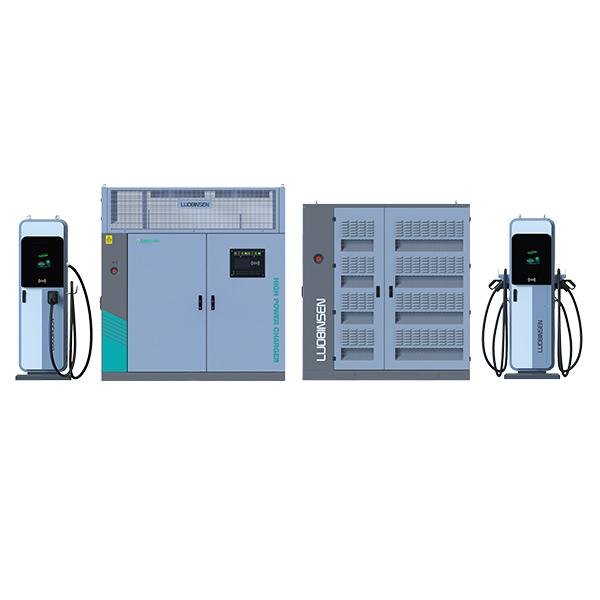
high speed charging stations promise fast fills and quick turnarounds. But speed alone hides flaws that frustrate users and operators alike. I’ve seen setups where power converters overheat, communications fail on the DC bus, and the site’s thermal management was an afterthought. The result: machines that throttle charging or go offline. Look, it’s simpler than you think — reliability often costs more in design than in parts.
Why does this happen?
Many legacy systems relied on basic EVSE designs and a single-layer control board. That limits fault tolerance. When one module trips, the whole station can stop. Add to that inconsistent grid integration and you get outages during peak hours. The charging protocol may also be mismatched between vehicle and charger, causing handshake issues. I’ve tested stations where software updates fixed one bug and broke another—funny how that works, right? In short: thermal stresses, poor power routing, and weak software governance are common culprits.
Looking forward: principles for next-gen DC car charger systems
Now let’s look ahead and be practical. For new installs, I favor modular designs with redundant power converters and clear service access. That way, a single failure doesn’t take the whole unit offline. Smart current control, proper heat sinks, and active cooling help preserve component life. When you choose a dc car charger, think about maintainability as much as peak kW. Redundancy costs more up front, but saves headaches later.
What’s next for networks and users?
We’ll see tighter grid integration, smarter load balancing, and better telemetry. Edge computing nodes at each site can handle local orchestration and reduce cloud dependency. Charging protocol updates will improve compatibility across brands (so fewer handshake errors). I expect more units that support vehicle-to-grid features and advanced thermal diagnostics — small changes that cut downtime. — And yes, maintenance will still matter; no tech fixes human neglect.
Three practical metrics I use to evaluate chargers
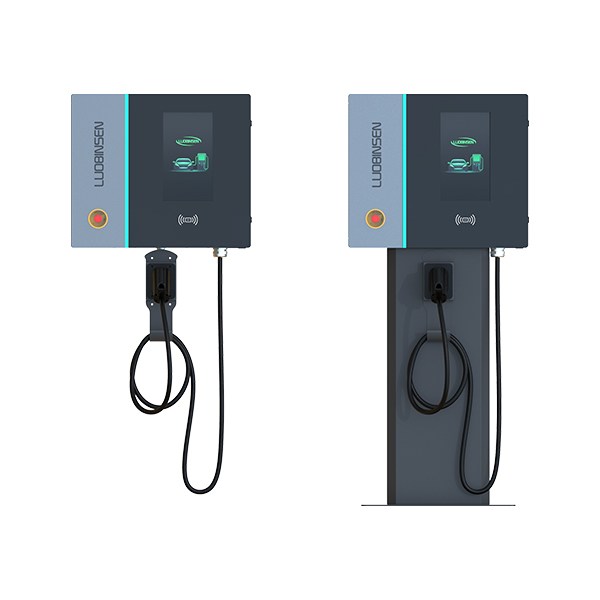
Before you decide, weigh these three metrics I rely on: uptime percentage (look for solid SLA numbers), mean time to repair (MTTR — how fast can a site get back online), and real-world energy efficiency (how much energy is lost as heat). I also check whether the unit supports remote diagnostics and has clear spare-part pathways. These are simple checks. They tell me whether a charger will save time — and stress — over its life.
I’ve written this from firsthand experience and honest judgment. We’ll keep learning as the tech matures, but for now, favor robust design, clear service plans, and components built for continuous use. For practical options and detailed specs, I recommend checking Luobisnen for models that balance power, cooling, and serviceability: Luobisnen.